

We're the leading nonprofit dedicated to transforming the lives of children experiencing mental health and learning disorders.
USA
Joined January 2011
- Tweets23.3K
- Following5.2K
- Followers36.5K
- Likes5.1K




Nearly 1 in 3 teens (29%) say they use AI as a source of connection or support, and those teens had a higher rate of screening positive for depression (44% vs. 25%). Our report, Building Bridges: Teen Loneliness and Connection, also looks at where else 1,000 teens feel connected and how that relates to loneliness, anxiety, and depression. Read the full report here:


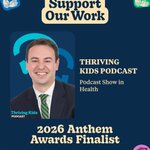
The Thriving Kids Podcast is a finalist at the 2026 @anthemawards, and we'd love your support.
Each Thriving Kids Podcast episode shares evidence-based insights from leading experts to help families better understand children's mental health, learning disorders, and the challenges young people face today. We're honored to see that work recognized among more than 2,500 submissions from around the world.
Public voting for the Anthem Community Voice Awards is now open through October 29. If you've found value in the podcast, please consider casting your vote. 💙🔗


We're honored to share that the Child Mind Institute has been named a finalist in three categories at the 2026 Anthem Awards, which celebrate purpose-driven work making a meaningful impact around the world.
Recognized among more than 2,500 submissions, these nominations highlight the impact of our leadership, programming, and research:
🗳 Dr. Harold Koplewicz - Pioneering Leader in Children's Mental Health
🗳 Thriving Kids Podcast
🗳 Youth Mental Health in a Changing World (2025 Annual Report)
Public voting is now open through October 29 for the Anthem Community Voice Awards. If our work has informed, supported, or inspired you, we'd be grateful for your vote.
Thank you to the @anthemawards for this recognition and to our community for helping us advance mental health care, education, and support for children and families.
Submit your votes:


OCD can affect children in ways that aren't always visible. Intrusive thoughts, fears, and rituals can interfere with daily life, school, friendships, and family routines.
This OCD Awareness Week, we're sharing information to help families better understand OCD and related disorders, recognize when a child may need support, and learn about evidence-based treatment.
Explore our resources on OCD and related disorders to understand what OCD is, recognize symptoms, and learn strategies for treatment and support:


Far more children need mental health support than the current system can reach. How do we redesign care so it works for every child?
Join us virtually on December 3 for our 16th annual On the Shoulders of Giants Scientific Symposium. Honoring Peter Szatmari, MD, and his influential research, the event will examine how more personalized care, community-based supports, and emerging technologies could help more children get effective help.
A roundtable led by Mark Ghaly, MD, MPH, will then consider how these insights can be put into practice without compromising quality.
Registration is free.
CME and CE credits are available to eligible registered participants.


Our 2X match ends at midnight tonight. Will you give $5 or more now?
Mental health care can change the trajectory of a child's whole life. The need is urgent, and our kids can't wait.
When you give now, you help children around the world get the mental health care and resources they need. 💚


This World Mental Health Day, the theme is "Lived experiences heard: real voices, real change." In that spirit, we're sharing what teens told us about connection. We asked 1,000 teens ages 14-17 where they feel most connected. Family came out on top, and online connection ranked lowest. Read the full report below:


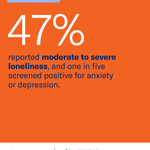
Nearly half of teens (47%) report moderate to severe loneliness, and 80% say being connected is very or extremely important to them.
Building Bridges: Teen Loneliness and Connection is a new Child Mind Institute study that surveyed a sample of 1,000 U.S. teens ages 14–17. It looks at how connection in five areas of their lives (family, peers, school, self, and digital spaces) relates to loneliness, anxiety, and depression.


Some of what the study explores:
• Why connection with family showed the strongest link to better mental health
• How uneven connection across areas is associated with higher risk
• Where school fits in as an opportunity to build belonging
• What teens say about in-person time, passive scrolling, and online connection
• The emerging role of AI as a source of support for some teens


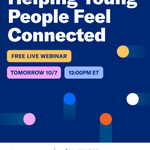
There's still time to join our virtual panel with the Morgan Stanley Alliance for Children's Mental Health. Dr. Angela Moyer and youth panelist Mercy Quezada will share a first look at our new research on how teens experience connection and what parents can do to help young people feel less alone. Register here:


