

Inform / Connect / Advocate / Advance We work to enable clean energy jobs, economic opportunities, and affordable energy options for North Carolina.
Raleigh, NC
Joined March 2011
- Tweets6.7K
- Following1K
- Followers3.4K
- Likes2.3K




Pinned Tweet
The wait is over! Early bird tickets are NOW AVAILABLE for Making Energy Work! Don't miss the opportunity to join us at this year's conference in Cary, NC, on October 14-15 at a discounted rate! makingenergywork.com/tickets

The Beacon of Hope solar install is the first of 26 microgrids planned for Western North Carolina. bit.ly/47O3UEm

Congrats to Pisgah Energy for winning Sustainable Energy Business of the Year, given to a business that has demonstrated professional excellence, uncompromising ethical standards and made a lasting positive impact on NC’s clean energy economy! bit.ly/4ib09xx

Last week, NCSEA participated in a roundtable discussion and site visit at Siemens' Wendell microgrid facility. The conversation with NC Sen. Tedd Budd highlighted the importance of electrification and serving new customer demands for electricity as the state continues to expand.


Each year, NCSEA honors a few of our high-performing members and partners through our annual Clean Energy Awards. The awards are a way to showcase those whose hard work has helped continue the vibrancy of our clean energy community in North Carolina.
bit.ly/4ib09xx

Last week, NCSEA held our annual MEW conference, bringing together stakeholders to engage in discussions, networking opportunities, and thought-leadership designed to shape policies that advance an affordable and resilient clean energy economy. bit.ly/4eH4RSL


The Arts Based School is Winston-Salem’s first solar-powered school. According to the solar panel installers and the EPA, their solar array averages 28,000 kilowatt-hours of energy production per year — enough to power three homes. bit.ly/4B3H2hH

Enfield Mayor Mondale Robinson announced the group’s launch in September, saying that small towns, often overlooked, will have more power if they work together. bit.ly/4zl69Lk

"Microgrids upend the traditional notion that you need one centralized electricity-generation plant controlled by a utility. Instead, you can have communities controlling the generation themselves." bit.ly/4s1r6Z5

Marshall, NC’s Beacon of Hope was spared during Hurricane Helene. Thanks to a state grant, solar panels and batteries make it even better prepared to help its community.
bit.ly/4rK4goM

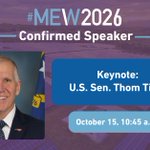
This just in: Sen. Thom Tillis is joining MEW as a keynote speaker!
Join us on October 15 at 10:45 a.m. as U.S. Sen. Thom Tillis provides keynote remarks on the state of energy in North Carolina and nationally. makingenergywork.com/

Our annual Making Energy Work conference is just TWO WEEKS away! The conference will feature well-known keynote speakers, engaging breakout sessions, and opportunities to network with colleagues, customers, policymakers, and industry influencers. bit.ly/3qNpcN9

Have you registered for Making Energy Work 2026 yet? Join us to engage in thought-provoking discussions, networking opportunities, and thought leadership designed to shape policies that advance an accessible and affordable clean energy economy. bit.ly/3qNpcN9

UNC Charlotte put up 224 solar panels on its Facility Operations Building this fall, which will save the school an estimated $13,300 annually in electricity costs. bit.ly/4y9rd7t

The United States has surpassed a major clean energy milestone, reaching enough operating solar capacity to power more than 50 million American households. North Carolina alone has 10,127 MW of cumulative solar capacity. bit.ly/4jf49PQ

Gov. Josh Stein officially proclaimed this week as Clean Energy Week in NC, citing clean energy's contribution to the state's job market and economic development. North Carolina ranks No. 8 in the country for clean energy jobs and No. 1 for clean energy jobs in rural areas.

Time is running out: Check out our sponsorship opportunities for the 2026 Making Energy Work conference on Oct. 14-15! This is your chance to interact with hundreds of energy professionals, leaders, and organizations from across the Southeast and beyond! bit.ly/3qOe8T7

As NC emerges from a legislative short session that saw the passage of a long-awaited budget, we look back at the broader legislative action on energy policy that will impact ratepayers, businesses, energy providers, data centers, and other stakeholders. bit.ly/4xYZCFC

With U.S. schools spending around $8 billion annually on energy costs, according to the report, the savings can instead be spent on teachers’ salaries, classroom supplies or building repairs. bit.ly/4h7Gm2L

Don't miss it: Early bird ticket sales for our Making Energy Work conference CLOSE TODAY! Take advantage of this special sale before it's too late! makingenergywork.com/tickets

Adding solar energy to agricultural land does not mean losing farmland. Solar installations and agriculture can co-exist—at great benefit to both the state’s energy grid and landowners’ income. bit.ly/4d0T3Ki
