

Dedicated to protecting & restoring the world’s oceans on a global scale. BlueSky → https://teapaw.org/t.co/r7FkTxGdSF
- Tweets53.5K
- Following1.9K
- Followers475K
- Likes6.6K





ALT A vibrant mantis shrimp with rainbow-colored exoskeleton and prominent eyes is positioned on a sandy ocean floor.

ALT A powerful ocean wave crashes, sending mist into the air. The image includes text: "OCEANA BLOG: How the Oceans Got Their Names.

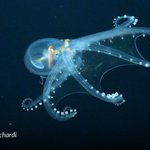
ALT A translucent glass octopus, Vitreledonella richardi, is softly illuminated against a dark background. Its body is nearly transparent, with visible internal features and delicate, elongated tentacles.

ALT A translucent Deepstaria jellyfish, with a delicate, net-like appearance, is floating against a dark background. The jellyfish has a soft glow with light orange internal features visible through its body.

ALT A sea pig, specifically Amperima sp., is seen on the ocean floor. It has a translucent body and is surrounded by a sandy seabed.

ALT A marine organism known as a siphonophore from the Order Siphonophorae is shown against a deep blue background. The creature appears elongated with a line of iridescent parts along its body.


ALT A baby sea turtle on a sandy beach approaches a gentle wave near the shoreline. The turtle's dark shell is distinct against the light sand and white foam.

ALT Two individuals are paddling small fishing boats on the ocean. The sun sets behind them, casting a warm glow. The image features text: "Oceana Blog: Small-Scale Fishers: Shaping a Sustainable Future," with the Oceana logo in the corner.

ALT A sawfish with a long, flat snout swims along a sandy ocean floor. The surrounding seabed is covered in small rocks and shells.

ALT A vibrant underwater scene featuring a purple nudibranch with bright orange and yellow appendages crawling along a colorful, diverse reef. The surrounding area is lush with various green and red marine plants.


ALT A person wearing scuba gear underwater is surrounded by kelp. They hold scientific equipment marked with "UNO," "Blancpain," and "Oceana." The diver appears focused on their task.

ALT A whale swimming underwater accompanied by text announcing breaking news that the U.S. Senate has passed a permitting bill affecting ocean and wildlife protections.

ALT Underwater scene depicting a diver surrounded by a swirling school of fish. The image is part of an Oceana blog titled "5 Reasons to Protect Our Oceans.

ALT A vibrant jellyfish with long, flowing tentacles floats gracefully underwater. Its body displays shades of orange and red against a deep blue ocean backdrop.


ALT An aerial view shows two North Atlantic right whales swimming close together in a blue ocean. A breaking news banner reads: "Scientists estimate only around 382 North Atlantic right whales remain.

ALT An otter stands alert on a seaweed-covered rock with a blurred natural background.

ALT An otter is resting on a bed of seaweed on a rocky shoreline. The background features rough, textured rocks and blurred ocean waves.


