

Official X account for the Pennsylvania Department of Health. DOH is Pennsylvania’s primary source for public health information and services.
- Tweets24.2K
- Following912
- Followers96.3K
- Likes2.2K








ALT Annual low-dose CT scans are advised for adults 50-80 with a 20 pack-year smoking history to detect lung cancer risk early.

ALT Turkey is safe to eat when the thickest breast, innermost wing, and innermost thigh reach 165°F.

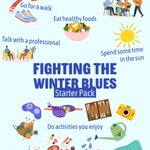
ALT Illustration showing ways to fight winter blues like walking, eating healthy, socializing, and spending time in the sun.

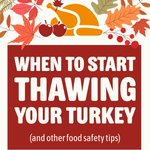
ALT Illustration of a cooked turkey surrounded by autumn leaves and berries with text about when to start thawing your turkey and food safety tips.

ALT Table showing when to move turkeys of different weights to the fridge, ranging from 21-24 pounds on Friday morning to 4-8 pounds on Tuesday morning.

ALT Guidelines for safely thawing a turkey in the refrigerator with timing, temperature, and storage tips.

ALT Illustration of a woman sitting curled up with large leaves behind her and text reminding to take care of yourself.

ALT Person wrapped in a blanket on a couch with a thermometer, illustrating that antibiotics don't work against viral infections like colds and flu.

ALT Motivational message encouraging strength training at any age with a reminder to consult a healthcare provider before starting exercises.

ALT Graphics illustrating how to perform chair squats, wall push-ups, and heel raises.

ALT Hands breaking a cigarette in half under the message 'It's never too late to quit smoking' on a green background.

ALT Graphic emphasizing the importance of men's health with a stethoscope, heartbeat line, and mustache icons on a teal background.

ALT Checklist promoting men's health including annual check-ups, healthy eating, prostate screening, self-exams, socializing, mental health, and sleep.

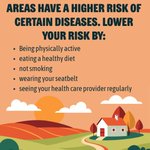
ALT List of health tips to reduce disease risk for people in rural areas, including physical activity, healthy diet, no smoking, seatbelt use, and regular healthcare visits.

ALT Purple infographic listing epilepsy treatment tips including learning about the condition and consulting doctors before new medicines.

ALT Purple infographic advising to track seizures to identify patterns and avoid triggers when possible.

ALT Tips for a healthy lifestyle including 7-8 hours of sleep, regular exercise, balanced diet, avoiding misuse of drugs, and managing health conditions.

ALT Purple sign advising to practice stress reduction, seek help, use memory strategies, and stay connected with loved ones for mental health.

ALT Illustration of lungs with branching airways and colored circles representing damage, highlighting COPD Awareness Month.

ALT Illustration of family members sharing a calm holiday meal with tips for supporting loved ones with Alzheimer's or dementia.


ALT Infographic listing steps to reduce pancreatic cancer risk: healthy diet, no smoking, no alcohol, and avoiding chemicals.

ALT Illustration comparing onset and duration of common cold and flu symptoms with a person resting on a couch.

ALT Infographic listing common cold symptoms like stuffy nose and sore throat, and flu symptoms including fever and body aches.

ALT Person wrapped in a blanket using tissues with cold medicine and pills nearby, illustrating home treatment tips like rest and fluids.

ALT Information on antiviral medicine for flu, highlighting symptom relief, timing, and prescription requirement with illustrated medicine bottles and pills.