

The Salk Institute for Biological Studies is one of the world's preeminent basic research institutions. Click link below to sign up for our monthly newsletter.
La Jolla, CA
Joined December 2008
- Tweets5.2K
- Following4K
- Followers41.1K
- Likes8.9K




Plants need iron to grow, but so do some of the microscopic organisms that can make them sick. 🌱
Salk scientists discovered that a protein called SRF3 helps plants maintain the right amount of iron while keeping their immune response from going into overdrive. The discovery could help inform future efforts to grow hardier crops.
In this video, each spot is an individual SRF3 molecule, and the colored trails show how it moves across a plant cell’s surface over time.
Learn more: salk.edu/news-release/plant-…
We know that exercise is good for us, but Salk scientists want to know why.
From our muscles to our brains, exercise triggers changes throughout the body. Now, Salk scientists have created a first-of-its-kind molecular atlas mapping how exercise affects 22 different mouse tissues. Their findings reveal that the body's response to exercise varies depending on the organ, cell type, sex, and even time of day.
Published in @CellPressNews, the research provides a new roadmap for understanding how healthy bodies adapt to exercise, potentially paving the way for more personalized fitness strategies, improved performance, and injury prevention. @WuTsaiAlliance
salk.edu/news-release/exerci…

“Worthy of a visit by Picasso.”
That was Jonas Salk’s vision when he asked renowned architect Louis Kahn to design the Salk Institute in 1960. He wanted more than a fully functioning scientific research facility. He wanted a place that would inspire creativity, collaboration, and discovery.
The result is one of the world’s most iconic works of modern architecture.
Designed for natural light: Floor-to-ceiling windows and massive light wells bring sunlight into laboratories, even those below ground.
Built for discovery: Spacious, flexible laboratories were designed to evolve alongside science.
A view to inspire: Two mirror-image buildings frame a stunning travertine courtyard overlooking the Pacific Ocean.
More than 65 years later, Salk and Kahn’s shared vision lives on in a place where art, architecture, and science come together to inspire discoveries that benefit humanity.
#SalkInstitute #LouisKahn #Architecture #ScienceAndArt #LaJolla
Could the immune system’s “tumor tour guides” help unlock more effective cancer treatments?
For Breast Cancer Awareness Month, Salk scientist Dan Hollern joined @fox5sandiego
FOX 5 San Diego anchor Maria Arcega Dunn to discuss his team’s latest research on B cells—immune cells best known for making antibodies.
Studying triple-negative breast cancer in mice, the researchers discovered that B cells help guide cancer-killing T cells to tumors and directly activate them to attack. Published in Cell Reports, the findings suggest that harnessing B cells could help make future cancer immunotherapies more effective.
Thank you to Maria and FOX 5 San Diego for highlighting Salk science!
watch.salk.edu/media/t/1_jkv…
#SalkInstitute #BreastCancerAwarenessMonth #CancerResearch #Immunotherapy

Calling all postdoctoral researchers! Ready to share your discoveries, connect with leading scientists, and take the next step in your research career?
Applications are now open for Salk's 2027 Rising Stars Symposium! This two-day event brings outstanding postdoctoral researchers to the Salk Institute to present their science, exchange ideas, and connect one-on-one with Salk faculty.
Selected participants will have the opportunity to showcase their research, build professional relationships, and explore future collaborations. Travel stipends and lodging accommodations will be provided.
Interested in applying? Join our virtual workshop to learn more about the program and get application tips!
📅 Workshop: Friday, November 6, 2026 | 11 a.m.–12 p.m. PT
⏰ Application deadline: January 4, 2027 | 12 p.m. PT
⭐ Symposium: May 12–13, 2027
Current postdoctoral researchers who are approximately one to two years from entering the job market are encouraged to apply. Learn more, register for the workshop, and apply: salk.edu/about/our-community…
#SalkInstitute #RisingStars #PostdoctoralResearch #ScientificCareers #ResearchOpportunities


Did you know plants have immune systems, too?
Just like humans, plants need nutrients to survive and must defend themselves against harmful invaders. But sometimes, those two priorities compete.
Iron, for example, is essential for plant growth, but harmful bacteria and fungi need it, too. So how do plants protect themselves without sacrificing the nutrients they need?
Salk scientists have discovered how a protein called SRF3 helps plants strike that balance, coordinating their immune defenses with their need for iron.
Led by Salk scientists Wolfgang Busch and Matthieu Pierre Platre, the research reveals new insights into how plants stay healthy while responding to threats. The findings could ultimately help scientists develop crops that are more resistant to disease, better equipped to handle environmental challenges, and more nutritious.
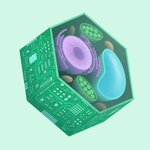
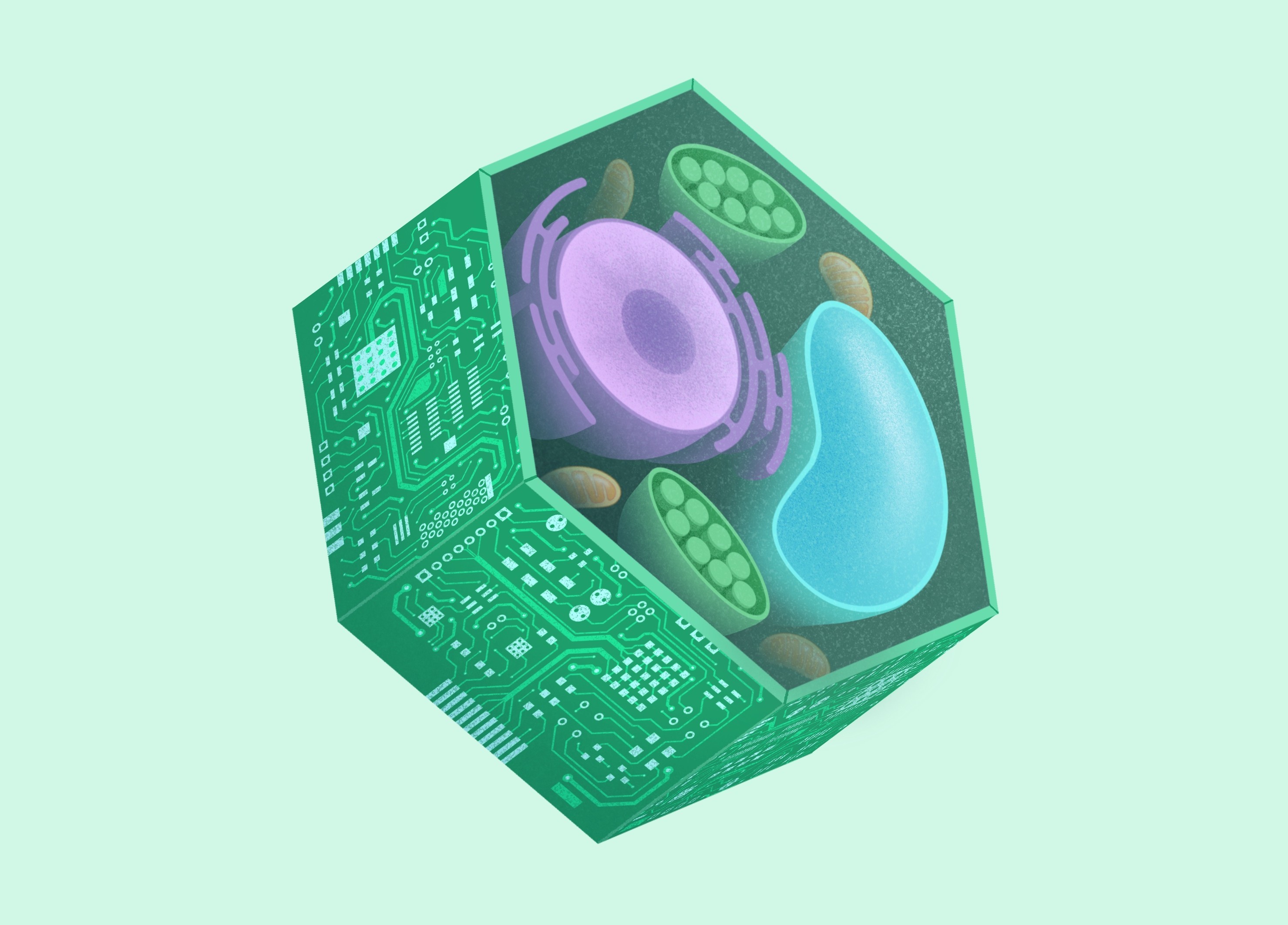
Photo: A plant cell with computer circuitry integrated into its plasma membrane illustrates the “membrane computer” concept, in which cell surfaces act as computational hubs that convert the external world into actionable signals. Credit to Amy Cao, Salk Sr. Science Illustrator.
🔗 Read more: salk.edu/news-release/plant-…
#SalkInstitute #PlantScience #PlantBiology #ScientificDiscovery
Calling all college students: Your summer in science starts here! 🔬
Applications are now open for Salk's 2027 Summer Undergraduate Research Fellowship (SURF)! This paid, nine-week program gives undergraduate students the opportunity to work alongside Salk scientists, gain hands-on research experience, and explore careers in STEM. No prior research experience is required!
Interested in applying? Join one of our free virtual workshops to learn more about the program, get application tips, and ask questions.
📅 Upcoming workshops:
Friday, October 23 | 10–11 a.m. PT
Wednesday, November 18 | 2–3 p.m. PT
⏰ Application deadline: December 1, 2026.
The program runs June 7-August 6, 2027, and includes paid research experience, mentorship, and professional development.
Ready to take the next step in your science journey? Learn more, register for a workshop, and apply: salk.edu/about/our-community…
#SalkInstitute #SummerResearch #STEMOpportunities #UndergraduateResearch #FutureScientists


The immune system can fight cancer. But sometimes, it can help tumors grow instead.
Salk scientists have discovered why certain immune signaling proteins, called interferons, can switch from fighting cancer to helping it thrive.
The culprit? A molecular pathway involving mitochondria, the cell's energy-producing structures.
Even more promising, when researchers blocked this pathway in mice with melanoma, they were able to reverse tumor growth and resistance to immunotherapy.
Published in Science, the findings help solve a longstanding mystery in cancer biology and point toward new ways to make cancer immunotherapies more effective.
🔗 Read more: salk.edu/news-release/why-do…
#CancerResearch #Immunotherapy #Immunology #SalkInstitute #Science

The immune system doesn't just protect us from illness. During pregnancy, it can also influence how a baby's brain develops.
We know that severe illness during pregnancy can increase the risk of neurodevelopmental disorders in children. But scientists are still working to understand why.
Now, Salk scientists are uncovering new clues about the connection between maternal immunity and brain development. In a new study, they found that when a mother's immune system responds to illness during pregnancy, it can change how genes are regulated and how brain cells develop in her offspring.
The findings underscore the importance of understanding the complex biology of pregnancy and advancing research into women's health and brain development.
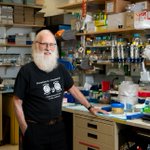
Pictured left to right: Joe Ecker, PhD, Jessica Arzavala, graduate student, and Margarita Behrens, PhD
🔗 Read more: salk.edu/news-release/why-do…
#SalkInstitute #WomensHealth #Neuroscience #BrainDevelopment

One discovery at Salk helped change the future of cancer treatment.
In 1979, Salk scientist Tony Hunter, PhD, discovered tyrosine phosphorylation, a molecular switch that helps control how cells grow and behave. The discovery opened an entirely new field of research and ultimately paved the way for more than 100 cancer drugs used today.
Now, nearly five decades later, Hunter has received the 2026 Albany Prize in Medicine and Biomedical Research, one of the world’s most prestigious honors in science and medicine.
The $500,000 prize recognizes scientists whose discoveries have led to treatments that significantly improve patients’ lives. Hunter shares this year’s honor with UCLA oncologist Dennis Slamon, MD, PhD, for cancer biology discoveries that have helped save millions of lives worldwide.
It’s a powerful reminder of where transformative treatments can begin: with curiosity, foundational science, and an unexpected discovery.
Congratulations, Tony! Read more here: salk.edu/news-release/salk-s…
#CancerResearch #CancerTreatment #FoundationalScience #SalkInstitute


Today's Nobel Prize in Physiology or Medicine began with a question about pond algae.
Peter Hegemann and Georg Nagel wanted to understand how Chlamydomonas, a single-celled green alga, swims toward light. The answer was channelrhodopsin, a protein that opens a tiny channel when struck by blue light. Karl Deisseroth then placed that protein into brain cells, giving scientists a way to switch specific neurons on and off with a flash of light.
The result is optogenetics, a tool that has transformed how researchers map the brain and study which circuits drive behavior and disease. It is also opening new paths toward treatment, including early work on restoring vision.
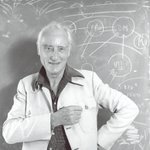
Decades ago, Nobel Laureate Francis Crick, a longtime member of Salk's faculty, imagined exactly this. He proposed that the ideal way to turn neurons on and off would be light, while admitting the idea seemed "rather far-fetched." Today, that far-fetched idea earned a Nobel Prize.
No one studying algae set out to change neuroscience, but that’s the power of foundational science. A curious question about how life works can become the basis for tools and therapies no one could have predicted. It's why Salk scientists, from plant biologists to neuroscientists, keep reaching across disciplines to ask those questions.
Congratulations to Karl Deisseroth, Peter Hegemann, and Georg Nagel!
#NobelPrize #Optogenetics #FoundationalScience #Neuroscience #PlantBiology


This Breast Cancer Awareness Month, Salk scientists are looking at an unexpected ally in the fight against breast cancer: B cells.
Scientist Daniel Hollern, PhD, studies triple-negative breast cancer, an aggressive form of the disease that can be especially difficult to treat. His lab is investigating how the immune system recognizes and attacks tumors, with a particular focus on B cells, which have historically received far less attention in cancer immunotherapy than T cells.
And new research from the Hollern lab is revealing just how important they may be.
In a recent study, Salk scientists found that B cells can help activate cancer-killing T cells in a mouse model of aggressive breast cancer. The findings are helping scientists better understand how different parts of the immune system work together against tumors and could ultimately inform new strategies for cancer immunotherapy.
Learn more: salk.edu/news-release/cancer…
#BreastCancerAwarenessMonth #BreastCancerResearch #CancerResearch #Immunotherapy #SalkInstitute

Salk scientists are uncovering what happens in the brain when we fight, flight, or freeze.
The amygdala has long been considered the brain’s fear center. But its neurons fire only briefly when a threat first appears. So why can our fear responses last so much longer?
Salk neuroscientists found an answer in an overlooked neighboring brain region called the amygdalostriatal transition zone (ASt). Neurons in the ASt fire more strongly and for longer than those in the amygdala, helping explain why fear responses like freezing can persist.
The discovery reveals a new piece of the brain’s fear circuitry and could eventually inform new approaches to conditions involving persistent fear, including PTSD and anxiety. 🧠
salk.edu/news-release/why-do…
#SalkInstitute #Neuroscience #BrainScience #FearResponse #FightFlightFreeze

Salk scientists have discovered that B cells can help direct the immune system’s attack on cancer.
In a mouse model of aggressive breast cancer, Salk scientist Daniel Hollern and his team found that B cells help bring cancer-killing T cells into tumors, organize them, and strengthen their ability to kill cancer cells.
The team also discovered that the antitumor effects of a CD40 agonist treatment depend on B cells, revealing a previously underexplored role for these immune cells in cancer immunotherapy.
“B cell responses have repeatedly been associated with better outcomes in people with cancer, but association alone cannot tell us what those cells are doing,” says Hollern. “Our study begins to provide a mechanistic explanation.”
The findings help explain why B cell responses are associated with better patient outcomes and lay the groundwork for new strategies that harness B cells to reinforce cancer immunotherapies.
salk.edu/news-release/cancer…
#CancerResearch #Immunotherapy #BCells #CancerImmunotherapy #SalkInstitute

This week's shot of "Salkhenge."
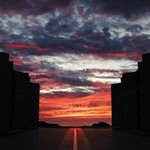
Salk's architecture was specifically built for the sunsets on the spring and fall equinoxes to perfectly align with the “River of Life” water feature, which runs through the center of the Institute's iconic travertine courtyard.
Founder Jonas Salk described the "River of Life" as "the trickle of knowledge produced by this facility, spilling out into the body of knowledge, symbolized by the ocean." He also said it creates a sense of “connection to a higher purpose.”
#SalkInstitute #Sunset #SanDiego #LaJolla

For the first time ever, we welcomed members of our Discovery Society together for an exclusive night, one you can only find at the Salk Institute.
Twice a year, on the spring and fall equinoxes, the sunset perfectly aligns with Salk's River of Life water feature, as intended by Salk founder Jonas Salk and architect Louis Kahn.
The Salk Discovery Society is our premier loyalty program, celebrating individuals who donate and empower Salk’s world-renowned scientists to pursue bold ideas, accelerate discoveries, and inspire solutions that improve lives.
Members received exclusive access to our iconic courtyard for this event, including cocktails, conversations with Salk's world-renowned scientists, and a view you can't find anywhere else.
Thank you to our Discovery Society members for joining us for an equinox we won't forget.
If you are interested in joining the Salk Discovery Society for access to events like this one, visit salk.edu/discovery-society or email [email protected].
#SanDiego #SalkInstitute #LaJolla #SanDiegoEvents
🌱 What does the future of resilient agriculture look like?
Tonight, Salk joins @ExplorersClub for a special screening of Plant Life, a documentary honoring the life, science, and legacy of Salk scientist Joanne Chory. You can tune into the post-documentary Q&A livestream — a conversation about the future of resilient agriculture.
Salk scientists Wolfgang Busch and Lena Mueller will join Plant Life directors Josh Izenberg and Brett Marty to share how the science has progressed since filming, including how Salk-developed plants are making their way into the ground.
Through Salk’s Harnessing Plants Initiative, researchers are working toward crops that can withstand harsher conditions, support the global food supply, and help remove carbon dioxide from the atmosphere.
Tune in to the livestreamed conversation at 5 p.m. ET / 2 p.m. PT.
youtube.com/@TheExplorersClu…
Thank you to the Explorers Club and the Plant Life team for bringing Joanne’s story and Salk plant science to Climate Week NYC. 🌎🌱
#ClimateWeekNYC #PlantLife #SalkInstitute #HarnessingPlants #PlantScience

What if a little stress early in life could make the heart more resilient later?
Salk scientists found that putting mitochondria—the cell’s energy producers and signaling hubs—under mild stress during development helped protect adult mice from heart damage caused by the chemotherapy drug doxorubicin.
The team also uncovered how that protection lasts: stressed mitochondria trigger a signal involving a molecule called citrate, which helps create long-term changes in gene activity that prepare cells to better withstand future stress.
“Paradoxically—mitochondrial stress, which is usually considered detrimental to health, can actually extend lifespan and have other benefits,” says Salk scientist Gerald Shadel.
Published in Science Advances, the findings reveal new insights into mitohormesis—the process by which mild mitochondrial stress can build lasting resilience—and could point toward new approaches for protecting tissues and promoting healthy aging.
salk.edu/news-release/how-ca…
#SalkInstitute #Mitochondria #HealthyAging #HeartHealth #CancerResearch #FoundationalScience

Our brains constantly integrate information to determine how we behave. Much of this coordination depends on neuromodulators—chemical messengers that establish how neurons communicate and function.
One neuromodulator in fruit flies, octopamine, can regulate a wide range of processes, from aggression and feeding to wakefulness and memory. Salk scientist Kenta Asahina developed a genetic tool kit to figure out how one chemical messenger can perform so many functions. With the tool kit, he identified distinct neuronal subtypes that can produce different effects, including a set of neurons that suppress aggression.
The findings provide a roadmap for understanding equivalent human neurological signaling, and help reveal how disruptions in signaling may contribute to brain dysfunction.
salk.edu/news-release/listen…
#fruitfly #neuroscience #aggression #genetics
