

The UN Office for the Coordination of Humanitarian Affairs (OCHA) helps humanitarian organizations save the lives of people caught in crises.
Joined February 2009
- Tweets41.6K
- Following1.7K
- Followers798K
- Likes31.1K

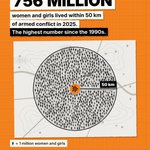


🔶 What is gender-based violence?
🔶 What does it look like in humanitarian crises?
This #16Days of Activism, get the facts right and spread the message.

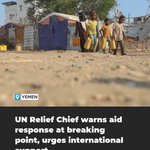
The UN reiterates its call for increased funding, the protection of civilians, and safe, sustained, and unimpeded humanitarian access for people in need throughout #Yemen, including in Ta’iz city.
Read more: bit.ly/4Am55HV

From delivering vital aid to displaced families in Yemen to supporting communities near the front lines in Ukraine, humanitarians have worked around the clock this week.
Funding saves lives. Yet the humanitarian response is dangerously underfunded.
Donors have recognized the need to focus resources on the most urgent humanitarian needs.
Yet significant funding gaps remain, even after difficult choices were made to prioritize life-saving assistance.
People can't survive on priorities alone. More funding is needed.

ALT A blue poster with text stating: "58% of the prioritized humanitarian appeal is funded. Even the most urgent life-saving assistance is at risk." The bottom left corner features a logo for the "87 Million Lives Campaign." A source note at the bottom reads: "Financial Tracking Service (FTS), data as of 21 November 2016.


In #Yemen, @UNReliefChief focuses on four priorities: solidarity with civilians; increased funding; the immediate and unconditional release of detained UN staff and other humanitarians; and safe and sustained humanitarian access.
Read more: bit.ly/4AefUfi

The year is coming to an end. The urgency to save lives isn't.
We've made progress, but critical funding gaps remain, leaving millions without the help they need.
Every contribution can make a difference. Fund humanitarian assistance. Save lives.
In #Yemen, some 350,000 children in Ta’iz missed a national measles and rubella vaccination campaign because insecurity prevented vaccine delivery.
More than 30,000 children under one year of age are at risk of missing routine vaccinations.
Read more: bit.ly/4Cn6orm

Drought was coming. Humanitarians acted early.
With UN Global Emergency Fund CERF support, and in coordination with national institutions, partners in El Salvador helped families protect food, water, health and livelihoods before the worst impacts of El Niño-linked drought.
Humanitarian needs remain significant in #BurkinaFaso.
Millions still need support, including access to education, clean water, shelter and other essential services.
Yet just 27% of the humanitarian response is funded.
Funding saves lives. People cannot wait.
Attacks in densely populated areas across #Ukraine continue to take a heavy toll on civilians.
Nearly 30 civilians were killed and 240 injured between Friday and this morning.
Humanitarians are providing support in affected regions.
Read more: bit.ly/4kxUsg5

Millions of people are still beyond the reach of humanitarian assistance.
That is not inevitable.
Removing access barriers can help get life-saving support to people who need it most.
Food is becoming harder to afford, harvests are failing and the support people rely on is not keeping pace.
In Sudan, urgent funding for food and nutrition is needed now to stop conditions from getting worse.
Waiting will cost lives.
The #WordOfTheYear is HUMAN.
You can't spell humanitarian without it.
It's at the heart of who we are, who we serve and why we do what we do.
To humanitarians everywhere, thank you for putting people first.

ALT A poster with the word "HUMAN" repeated vertically in dark red on the left. The word "HUMANITARIAN" in bold white letters is centered, overlapping the red words. The background is bright red. The United Nations OCHA logo is at the top right.
You can’t end every crisis. But you can end someone’s.
For Flora António's twins, treatment for severe acute malnutrition is now assured, thanks to mobile care supported by the Mozambique Humanitarian Fund.
It's what humanitarian assistance can do – one life at a time.
In #DRC, displaced families at the Plaine Savo site in Ituri face growing threats and deteriorating humanitarian conditions.
Water supplies have been suspended since 6 November, leaving residents with just five litres per person a day.
Read more: bit.ly/4jr4f6C

With 40 days to go until the end of the year and an $8 billion funding gap, humanitarians are accelerating their efforts to assist people most at risk, from Gaza to Ukraine.
Our week in review ⤵️
Deadly attacks in #Sudan's Kordofan region continue to drive people from their homes.
Air strikes reportedly hit the village of Abu Galib, killing 15 civilians, including four children.
Civilians and civilian infrastructure must be protected.
Read: bit.ly/4zWvEmN
