
New York City
Joined April 2013
- Tweets7.3K
- Following2.1K
- Followers12.8K
- Likes37.5K





“Don’t judge a book by its cover” -> everyone judges books by their cover
“Don’t focus on status” -> everyone is obsessed with status
“Be yourself” -> everyone is performing
All advice is a confession about human nature - that the opposite behavior is near-universal
My assessment: Supreme Court will side with Kalshi and CFTC
The definition of ‘swap’ in the Dodd Frank was intentionally broad
Unlike the PASPA case, there's now a federal body (CFTC) that has a clear mandate to regulate swaps. So federal preemption supersedes states' rights
2
231
The case will likely make it to Supreme Court but it cuts across typical ideological viewpoints
- Conservative justices are textual originalists, which favors Kalshi since the swap definition is broad. But they are also committed to states’ rights, which favors the states.
- Liberal justices are typically pro-federal regulatory authority but skeptical of financial industry arguments and sympathetic to consumer protection.
1
3
200
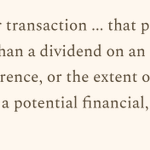
"Potential financial, economic, or commercial consequence”
The courts are split, and this is where the fight will be won or lost
States believe economic consequences need to be significant & Kalshi doesn’t meet the bar
Kalshi & CFTC believe that any economic consequences would suffice
1
1
26
"Associated with"
Kalshi has the textual advantage: most judges think the word is broad enough. The connection between a sports event and its economic consequence need not be direct.
1
1
18
There are two contentious phrases in the definition of a swap that people are fighting about:
- “Associated with”
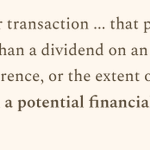
- “Potential financial, economic, or commercial consequence”

1
1
28
So what exactly is a swap?
In plain English: a swap is a deal where someone gets paid based on whether something happens or doesn’t happen, as long as that thing is connected with a potential economic consequence.
The Commodity Exchange Act defines it here:

1
1
33