NIOSH (@NIOSH) header
NIOSH (@NIOSH) profile picture

Official Twitter account of the National Institute for Occupational Safety and Health (NIOSH). We are part of @CDCgov. Privacy Policy https://teapaw.org/t.co/TBmFB7lhcP

Washington DC
Joined February 2009
Photo by NIOSH (@NIOSH)Photo by NIOSH (@NIOSH)Photo by NIOSH (@NIOSH)Photo by NIOSH (@NIOSH)Photo by NIOSH (@NIOSH)Photo by NIOSH (@NIOSH)Photo by NIOSH (@NIOSH)Photo by NIOSH (@NIOSH)Photo by NIOSH (@NIOSH)Photo by NIOSH (@NIOSH)
This is the authentic, official Twitter account of the National Institute for Occupational Safety and Health (@NIOSH). You can verify our identity by confirming our handle at: cdc.gov/socialmedia/tools/Tw…
6
3
28
16,232
Today is World COPD Day. Work-related COPD accounts for approximately 14% of all COPD cases. Be sure to discuss any respiratory symptoms with your physician including past work activities. Learn more in our Faces of Work-Related COPD video series: bit.ly/3WtsDLR
1
2
8
546
The NIOSH Health Hazard Evaluation (HHE) program is a free service that evaluates U.S. workplaces for health hazards. Employees, employers, & union officials can request a HHE if they suspect workplace exposures or conditions are harming employees' health: bit.ly/3LwUjuf
1
2
4
405
Have a junior firefighter program? Explore NIOSH resources to help keep young members safe: bit.ly/4iPHSHH
1
4
490
Whether you're volunteer or paid, structural or wildland, active or retired, we want to hear from you! Firefighters: Join the National Firefighter Registry for Cancer (NFR) and help us understand and reduce the risk of cancer in the U.S. fire service: nfr.cdc.gov/
1
3
346
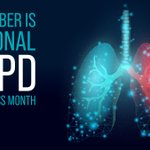
November is COPD Awareness Month. Some COPD cases can be attributed to workplace exposures such as dusts and gases. Even if you’ve never smoked, you may still be at risk for work-related COPD. Learn more about work-related COPD: bit.ly/4e4kkfv
1
1
1
1
469
Did you know it could take about one week for the body to adjust to the new times for sleeping, eating, and activity? Find tips to adjust to the time change: bit.ly/4cWGDUv
4
7
15
538
Are you prepared to fall back this weekend? The time change creates a higher risk for injuries at work. Find tips to help you adjust to the time change and prevent accidents: bit.ly/4cWGDUv
4
4
6
391
NIOSH's Adult Blood Lead Epidemiology and Surveillance (ABLES) program helps identify industries with the highest risk of workplace lead exposure and offers ways to prevent it. Learn more: bit.ly/4hk9hzz
1
2
4
559
When there is an emergency, we call first responders to help and protect us. As part of our commitment to safe and healthy workplaces for all Americans, NIOSH continues to conduct research and provide resources to keep emergency responders safe. More: bit.ly/4B0NhTz
2
5
8
410
Adults working in lead battery manufacturing or recycling face some of the highest lead exposure levels of any industry today. Though serious, lead exposure is preventable. Learn more: bit.ly/4e141Ah
6
1
5
393
It's National Lead Poisoning Prevention Week! A parent's job could be a source of lead exposure in children. Addressing lead at work can help protect kids at home. Learn more: bit.ly/3TmxH3C
1
4
5
397
Did you know the NIOSH Coal Workers' Health Surveillance program studies respiratory disease in miners, as well as provides free health screenings? This allows researchers to identify disease trends across the nation. Learn more: bit.ly/3Zy1p69
3
3
380
Forensic lab workers can be exposed to illicit drugs. Exposure can occur when substances are handled, weighed, or chemically processed. Following best practices can help minimize workplace exposure. Learn more: bit.ly/3Uo3IZu
1
1
1
438
The NIOSH Health Hazard Evaluation (HHE) program is a free service that evaluates U.S. workplaces for health hazards. Employees, employers, & union officials can request a HHE if they suspect workplace exposures or conditions are harming employees' health: bit.ly/3LwUjuf
1
2
1
386
Whether you’re volunteer or paid, structural or wildland, active or retired, we want to hear from you! Firefighters: Join the National Firefighter Registry for Cancer (NFR) and help us understand and reduce the risk of cancer in the U.S. fire service: nfr.cdc.gov/
3
1
605
The National Firefighter Registry (NFR) for Cancer is the largest effort ever undertaken to understand and reduce risk of cancer among U.S. firefighters. All U.S. firefighters, with or without cancer, active, former, or retired, can join: nfr.cdc.gov/
1
2
826
Did you know NIOSH’s Fire Fighter Fatality Investigation and Prevention Program conducts serious injury investigations? Read a recent serious injury report about fighting a fire in an attic with hoarding conditions: bit.ly/3Tm1qcm
1
1
1
4
1,075
Every breath matters on the job. Whether you're a worker, employer, researcher, or health professional, NIOSH’s Respiratory Health and Work webpage connects you to resources on workplace hazards and disease prevention: bit.ly/4wM9e5i
2
1
1
3
1,104
Did you know the NIOSH Coal Workers’ Health Surveillance program studies respiratory disease in miners, as well as provides free health screenings? This allows researchers to identify disease trends across the nation. Learn more: bit.ly/3Zy1p69
2
1
570
Employers and responders: Review our key messages for emergency responders even if there isn’t a risk for serve weather in your area. They highlight recommendations for responding to specific hazards associated with hurricanes, storms, and floods: bit.ly/4gQi8bZ
2
733