

The Alaska Pollock Fishery Alliance is a coalition of fishery stakeholders formed to promote the responsible management and harvesting of Alaskan pollock.
Alaska, US
Joined March 2024
- Tweets85
- Following22
- Followers104
- Likes14




Pinned Tweet
Hi! We're the Alaska Pollock Fishery Alliance, promoting responsible management & harvesting of Alaska pollock. As a coalition, we invest in research, promote transparency & accountability among fishery stakeholders, & support nearly 30,000 U.S. jobs.
#AlaskaPollockFishery

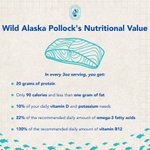
Just one 3-ounce serving of Wild Alaska Pollock packs 20+ grams of protein, making it one of the leanest, most climate-friendly proteins in the world. Nutritious. Affordable. Sustainable.
Good for you. Good for Alaska. Good for the planet."

The Alaska pollock fishery is one of the most carefully managed and lowest bycatch fisheries in the world. With 100% observer coverage in the Bering Sea, every trip is monitored to ensure accountability and sustainability.


Where does Alaska Pollock come from?
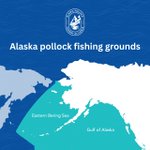
Alaska Pollock is harvested from two of the world’s best-managed fishing grounds: the 𝐄𝐚𝐬𝐭𝐞𝐫𝐧 𝐁𝐞𝐫𝐢𝐧𝐠 𝐒𝐞𝐚 and the 𝐆𝐮𝐥𝐟 𝐨𝐟 𝐀𝐥𝐚𝐬𝐤𝐚. These fisheries are recognized globally as a model of sustainable management.

Fishing talk can feel like alphabet soup! In our new “APFAcronyms” series, we’re breaking it down:
EBS = Eastern Bering Sea
GOA = Gulf of Alaska
Both are key areas where pollock is harvested - each with its own management approach.

Today on National Food Bank Day, we celebrate how Wild Alaska Pollock helps feed America:
• Millions of meals provided through food banks & school lunch programs
Wild Alaska Pollock isn’t just a resource - it’s a lifeline.

Today we recognize the hardworking men and women who power Alaska’s pollock fishery - from crews on the water to processors and support teams on shore. Your commitment keeps our fishery strong, sustainable, and a cornerstone for coastal communities. Thank you.

Another Alaska community, another platform amplifying the voices of Alaska pollock fishermen. The Kodiak Daily Mirror highlighted some Alaska pollock captains' perspective on why sustainability is at the heart of this fishery.
kodiakdailymirror.com/opinio…
In 2024, for every 20,000 lbs of pollock caught, less than 1 lb of halibut was caught - that’s under 0.005% of the catch. Over 99% of halibut mortality comes from non-pollock fisheries. Alaska pollock accounted for less than 0.58%.

The Alaska pollock fishery is committed to supporting coastal Alaska communities and advancing science-based solutions to help restore salmon runs.
vimeo.com/1105554301?share=c…
From the wheelhouse of the Bering Sea, our captains have a message: no one cares more about the long-term health of the Alaska pollock fishery than the people who fish it. Here’s why.
adn.com/opinions/2025/08/09/…

The wild Alaska pollock fishery is proud to be certified by both the Certified Seafood International (CSI) and Marine Stewardship Council (@MSCbluefish) programs for its sustainability.
We recently hosted an open community conversation in beautiful Cordova to listen, answer questions, and share the truth about the science and sustainability behind our fishery. These conversations matter.


Our captains and vessels are just as concerned with avoiding salmon and other non-targeted species as they are with catching pollock.
The Alaska pollock fishery uses the most sophisticated bycatch avoidance techniques of any fishery in the world.


Alaska pollock is a vital source of affordable protein for millions of Americans, including those in need and supported by @USDA food assistance programs.


The hardworking vessels of B season are more than just boats. They’re part of a tradition rooted in respect for the resource and community. Reducing incidental catch is a top priority for the Alaska pollock fishery and for the captains who call these waters home.


From the deck to the lab, the Alaska pollock fishery is constantly testing, improving, and innovating to stay the most responsibly managed fishery in the world. Watch how the salmon excluder work in Newfoundland is helping set the standard.
vimeo.com/1101916578


The Alaska pollock fishery is a leader in seafood donation and food equity. It partners with @SeaShare, donating millions of servings to food banks across the U.S. Alaska pollock and is a major source of nutritious protein for children through the National School Lunch Program.
