

✨Specialist Speech and Language Therapists and Assistive Technologists. ✨Based in the North West with outreach to the whole of the UK.
- Tweets705
- Following311
- Followers381
- Likes131

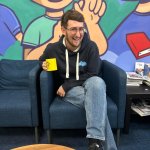


ALT New ATtherapy staff member Matthew, a young man with short dark hair and glasses, photographed smiling and holding a yellow mug.

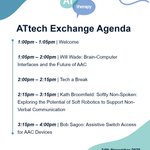
ALT Canva graphic with blue and teal blobs in the corner, as well as ATtherapy’s logo displayed at the top. On the poster is the following text: ATtech Exchange Agenda 1:00pm - 1:05pm | Welcome 1:05pm – 2:00pm | Will Wade: Brain-Computer Interfaces and the Future of AAC 2:00pm – 2:15pm | Tech a Break 2:15pm – 3:15pm | Kath Broomfield: Softly Non-Spoken: Exploring the Potential of Soft Robotics to Support Non-Verbal Communication 3:15pm – 4:00pm | Bob Sagoo: Assistive Switch Access for AAC Devices 24th November 2026, 13:00 - 16:00, Online via Microsoft Teams


ALT Canva graphic that has a photo and the following quote from Kate R, highly specialist speech and language therapists: I get the greatest buzz from watching communication in action - in all its forms! Watching a pointed look be understood, a gesture cause laughter, or an eyegaze user tell someone to 'get lost' with their AAC...it's all brilliant! It is one of the joys of my job to celebrate and promote all voices being heard, in every which way possible! No one has nothing to say: if we aren't hearing someone's voice loud and clear, we probably just haven't found the right tools yet!

ALT Canva graphic that has a photo and the following quote from Katie W, speech and language therapist assistant: I am a speech and language therapy assistant. When I hear the term ‘every voice heard’, I instantly think of wanting everyone to feel included. All of our clients have their support network: family members, support staff, teachers and friends. I know the important to hear their voices, as they are the people who are supporting the communication day in and day out. I want people to feel heard when they are advocating for a client, loved one or a friend; it's hearing these voices that helps us hear everyone’s.

ALT ATtherapy’s MMU Employability Fair table set up which includes a dark blue table cloth on top of it. There is a range of equipment displayed on the table which includes: a laptop with the ATtherapy logo displayed, ATmentor posters, ATtherapy pens, a ATtherapy poster which includes a QR code, a model head that shows areas of the brain, mouth and sinuses, a switched controlled flipping puppy which is connected to a red button switch. Finally there is also a GridPad 16, a NovaChat 8 and a Grid printed resource sheet all displayed as well.

ALT ATtherapy Assistive Technologist Becs and Highly Specialist Speech and Language therapist Milly engaging in conversation with two MMU students.

ALT Highly Specialist Speech and Language therapist Milly sat and engaging in conversation with two MMU students.

ALT ATtherapy team members Matthew, Becs, Milly and Chlo, pictured from left to right, smiling together at the MMU Employability Fair.

ALT Canva graphic with a laptop displaying the ATtherapy x Recolo MyAbility packs on the ATtherapy website. With the following texts that saids: ‘Download our MyAbility Packs, www.attherapy.co.uk’

ALT Canva graphic with three MyAbility packs: cerebral palsy, acquired brain injury, autism. With the following text: ‘What is MyAbility: MyAbility includes three resource packs of intervention activities designed to support clinicians delivering engaging therapy focused on adjustment and identity. The packs support children and young adults who have a diagnosis of Acquired Brain Injury, Cerebral Palsy, or Autistic children and young adults. They are accompanied by packs of sessions to support family members, including parents who are navigating their own journey of adjustment too.

ALT Two hands holding up a tablet with the Aquired Brain Injury MyAbility pack displayed. With the following text: ‘Did you know? MyAbility can be used with a range of adaptive communication devices, including iPad, laptop, and eye gaze technology. It can be utilised when an individual is aware of their diagnosis and is curious to understand it. The young person should have a three key-word level of understanding and be able to consent to the intervention.’

ALT Informational poster explaining Hidden Disabilities Sunflower, a voluntary way to discreetly indicate a non-visible disability or condition. Dark blue headings and explanatory text accompany a green sunflower-patterned lanyard and sunflower card, highlighting support in shops, workplaces, public transport and public spaces. The text on the graphic reads: Hidden Disabilities Sunflower. What is it? The Hidden Disabilities Sunflower is a simple tool for you to voluntarily share that you have a disability or condition that may not be immediately apparent. Why is it helpful? It can help raise awareness of hidden disabilities, encourage patience and understanding, and make it easier for people to indicate that they may need support in shops, at work, on public transport or in other public spaces.’

ALT Accessibility information poster titled “Access Card” explains how a physical photo ID communicates access requirements for events, venues and online ticketing. Text highlights personalised venue information and reasonable adjustments, while a hand holds an Access Card showing symbols, holder details and expiry date. With the following text that reads: ‘What is it? The Access Card is a physical card that acts as a photo ID that can be used to easily communicate your access requirements to events and venues. Why is it helpful? The card uses symbols to communicate a person’s access requirements and highlight potential barriers, helping venues understand what reasonable adjustments may be needed. It can also be used with participating online ticketing platforms to access available facilities. The Access Card app provides a personalised directory of venues with accessibility information, helping people plan their visits with greater confidence.

ALT Informational poster introducing Headway’s Brain Injury Identity Card and explaining its purpose. Text outlines how card helps identify brain injury, reduce misunderstandings and request support, alongside a card photograph, teal decorative shapes and helpline number 0800 140 4031. With the following text: Brain Injury Identity Card: What is it? The Brain Injury Identity Card from Headway helps people identify that they have a brain injury and explain this to others. Why is it helpful? A brain injury can cause difficulties with memory, communication, behaviour or fatigue that may not be immediately visible. The card can help raise awareness, reduce misunderstandings and make it easier for someone to explain their situation when they need understanding or support.’

ALT Informational poster titled “Communication Passport” explains a personalised document for sharing a person’s communication methods, preferences and support needs. Sections “What is it?” and “Why is it helpful?” describe reducing misunderstandings and supporting communication, alongside booklet illustration with prompts for name, photo and guidance on communication. The following text reads: ‘Communication Passport: What is it? A Communication Passport is a personalised document that shares important information about a person, including how they communicate, their preferences and how others can best support them. Why is it helpful? It helps others understand an individual’s communication needs, particularly in new or unfamiliar situations. It can reduce misunderstandings, support more effective communication and help ensure the person’s preferences, needs and personality are recognised.’

ALT AAC and wheelchair user and ATmentor SJ, and Highly Specialist speech and language therapist Deborah smiling and standing in front of the ATtherapy exhibition at CP Scotland.

ALT ATtherapy’s exhibition at CP Scotland, items on the exhibition table includes a social story of the hungry caterpillar, a lobster, MyAbility leaflets, biozoons, and other ATtherapy leaflets.

ALT AAC and wheelchair user Adam, and Highly Specialist speech and language therapist Deborah smiling and standing in front of the ATtherapy exhibition at CP Scotland.

ALT ATtherapy staff look at a projected screen displaying a Zoom meeting with colleagues and clinical psychologist Dr Jan Smith, who is delivering the training, ‘Supporting Clients & Their Families Using a Trauma-Informed Approach: Protecting Ourselves to Thrive in Our Role.’

ALT ATtherapy graphic promoting the final ATtech Exchange meeting of 2026 on 24 November, from 1pm to 4pm, held online via Microsoft Teams.