

I help homebuyers and homeowners close with confidence by keeping the process simple, transparent, and fast.
Irvine, CA
Joined August 2009
- Tweets1.5K
- Following2K
- Followers848
- Likes191
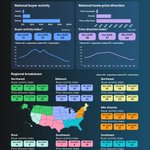




The MBS Highway National Housing Index slipped to 14 in November, down from 15 in October, marking its sixth straight monthly decline. Buyer activity continued to weaken, while the price direction index posted a modest one-point rebound after declining every month since May.

7
Inflation picked up in October, with headline CPI rising 0.4% from the previous month, largely due to higher gas and energy prices. Core inflation, which excludes food and energy, increased 0.3%. Both readings came in higher than expected.

14
Good news for investors: Capital gains tax brackets are going up for 2027. That means you get more breathing room before higher tax rates kick in!

9
Good news for future filers: Tax brackets and standard deductions are increasing for 2027, potentially offering some tax savings when you file your return in April 2028.

6
Getting your offer accepted is exciting, but there’s still work to be done before you get the keys! Once you’re under contract, your lender will verify your financial information, the property will go through the appraisal process, and your loan will move toward final approval and closing. During this time, keep your finances stable, respond promptly to requests from your mortgage team, and avoid taking on new debt or making major financial changes without checking with your loan originator first. Have questions about what comes next? I’m always happy to help guide you through the process and make sure you feel confident every step of the way!

12
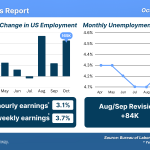
October’s jobs report came in much stronger than expected, with the economy adding 165,000 jobs, well above forecasts of around 60,000. Previous payroll estimates were also revised higher, while the unemployment rate edged down to 4.1%.

6
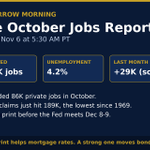
Tomorrow 5:30 AM PT: October jobs report, last big print before the Fed's Dec meeting. Expected +65K, unemployment 4.2%. But ADP added 86K private jobs and claims just fell to 189K, lowest since 1969. Soft print helps mortgage rates; strong print moves bonds fast.

1
21
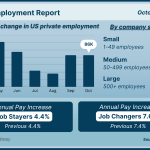
Private employers added 86,000 jobs in October, surpassing expectations. According to ADP, hiring showed “solid growth” for a second consecutive month, while wage gains remained steady.

12
Home equity is one of the financial benefits of homeownership, and it can grow over time. Each principal payment helps reduce your loan balance, while rising home values can further increase your equity. Building equity can support your long-term financial goals and create opportunities for the future. Have questions about how homeownership could support your financial goals? I’d love to help! Reach out to me to explore your options and learn more.

11
Refinance vs. recast, most people only know one:
Refinance = a brand new loan. New rate, new term, full application + closing costs.
Recast = keep your loan and rate, put a lump sum to principal, and your servicer lowers your payment for a ~$150-$500 fee.
Big difference.

11
BlackRock's Rick Rieder: the Fed is running a house with "one thermostat, but very different temperatures in every room."
Hot rooms: energy, insurance, healthcare, education. A hike won't cool them.
Cool room: housing. A hike just makes it colder.

19
Making an extra mortgage payment each year may seem small, but putting additional money toward principal can add up over time. Some homeowners do this through biweekly payments, while others make extra principal payments monthly or annually. Potential savings depend on your loan balance, interest rate, and how long you keep your mortgage. Understanding how extra payments are applied and whether fees apply can help you make the most of your strategy.

12
Inflation was in line with expectations in September. Headline PCE rose 0.5% month over month, bringing the annual rate to 3.6%. Core PCE, which excludes food and energy, increased 0.3% for the month, with annual core inflation at 3.1%.

12
The Fed held rates steady today, and that was the expected move, with markets pricing it at over 90% before the announcement. The vote was 10-2 to keep the range at 3.75% to 4.00%, with two officials dissenting in favor of a hike.
A hold doesn't move mortgage rates by itself. What matters for homebuyers is what happens next in the bond market, and bonds barely budged: the 10-year Treasury ticked up to about 5.05% right after the statement, then settled near 5.01% during Chair Warsh's press conference, slightly higher on the day, with no relief for mortgage rates.
The statement said inflation "remains elevated" and that more information will help the Committee decide the stance needed to return inflation to 2%, adding "The Committee will deliver price stability." Warsh declined to preview December, saying inflation is too high and the September hike is starting to work some. Markets and most analysts still expect another hike in December.
If you're floating a rate, or deciding between a renovation loan priced on your home's after-renovation value and a HELOC on today's value, December is the date to plan around, not today.

1
28
Getting your offer accepted is a big milestone, but there are still important steps to take before closing. Changes to your credit, debt, employment, or finances could affect your mortgage approval, even late in the process. Before making major financial moves, check with me to understand how they could affect your loan. A little caution now can help keep your homebuying journey on track!

9
New home sales dipped 0.6% in September to an annualized rate of 676,000. While sales edged down from July's revised eight-month high of 680,000, they came in above expectations of 650,000.

10
U.S. home values rose 0.3% from July to August after seasonal adjustment. Compared to a year ago, national home values are up 2.1% overall.

17
The Fed meets this week, and Wednesday's decision is not the part that should worry borrowers.
Markets are pricing the October meeting as a near-certain hold, above 90%. The meeting that carries real risk is December 8-9, where markets are pricing roughly a 75% chance of another hike.
That distinction matters if you are floating a rate right now, or carrying a variable-rate HELOC balance. A December hike would lift the short-term rates those loans track, usually within a billing cycle or two.
If December is in your timeline, this is the week to run the fixed-rate math and decide your plan before the December pricing gets here, not after.

24
Orange County, California homeowners: your property tax bill is here — but where does the money actually go?
This breakdown is for Orange County, California. For every $1.00 of property tax here:
61¢ goes to local schools and community colleges
11¢ goes to your city
11¢ goes to special districts like water, flood control and fire
11¢ goes to redevelopment trust funds
6¢ goes to the County
And don't miss the California deadlines:
1st installment is due November 1 and becomes delinquent December 10 — miss it and there's a 10% penalty.
2nd installment is due February 1 and becomes delinquent April 12, 2027.
If your mortgage has an impound account, your lender pays this for you — but it's still worth opening the bill and checking it.
One important note: this split varies throughout California. Your exact breakdown depends on your county and even your neighborhood tax rate area — Los Angeles County, for example, sends about 40¢ of every dollar to schools, not 61¢. And outside California, every state is different: each state sets its own property tax due dates and its own tax rates, so these deadlines and percentages don't apply in other states.

1
20
Today's housing market is not 2008. Not even close.
At the worst of the financial crisis, 25.7% of mortgaged homes were underwater, nearly 12 million properties. Today, according to Cotality, 97.9% of mortgaged homeowners have positive equity, and the average homeowner has about $310,000 in tappable equity. In California, the average is roughly $623,000.
That equity is a cushion. It means fewer forced sales, less foreclosure risk, and more options when life happens. It also explains why so many owners are choosing to improve the home they have instead of giving up the rate they locked in years ago.
A housing correction and a housing credit crisis are not the same thing. Today's homeowner balance sheets are built on a much stronger foundation.

1
55