

Ali retweeted

🚨 Son Dakika 🚨
✅ Bu twiti Beğen & RT yap
✅ "Geri takip yapıyorum" yaz
✅ "Geri takip yapıyorum" yazanları Takip et
@Okacmaz72 %100 GT VAR ✅5️⃣4️⃣8️⃣
Ali retweeted

الي يريد انزل.
حسابـك في الدعم
وحسابـك محتـرم ودعك علينا
وعادت التغريده حق الدعم🔄
اكتب تم في التعليقات@zjjz4hr
تابعني وضع لايك تعليق الــدعــم مستمر❣️
Ali retweeted

ضيـ ـفني+لايـ ك+رتويـ ت+نقطة فولو من الرتويت
اضمن لك اكثر من ١٥٠ متـ ـابع في ٣٠ دقيقة،
ضيـ ـفوا بعض ولا تنسى ضيـ ـفني الان👏🔥٦٥٧
كود خصم نون : GL3 نمشي : BLK16
ستايلي : DC فوغا كلوسيت : QHV

Ali retweeted
🚨 Son Dakika 🚨
✅ Bu twiti Beğen & RT yap
✅ "Geri takip yapıyorum" yaz
✅ "Geri takip yapıyorum" yazanları Takip et
@Okacmaz72 %100 GT VAR ✅5️⃣3️⃣0️⃣
Ali retweeted

Değerli dostlar yoruma BAYRAK bırakan herkes birbirini takibe alsın...
👉👉 Bayrak atan karşılıksız kalmasın..

Ali retweeted

🚨 Tucker Carlson has raised a deeply disturbing possibility. But let us not allow fear or emotion to cloud our judgment. Let us examine the prospect of a US nuclear strike on Iran through a cold strategic and political analysis.
Is it technically possible? Of course. The US possesses nuclear weapons and delivery systems, and it remains the only country to have used nuclear weapons in war.
BUT
Would a nuclear strike guarantee Trump’s political survival? No.
Would it guarantee Netanyahu’s political survival or help him secure a governing majority? No.
Would it restore the popularity of either leader? No.
Would it bring down oil prices, resolve the divisions between Western capitals or make America’s domestic political problems disappear? No.
On the contrary, it would deepen the political crisis surrounding both leaders, intensify opposition within the United States and inflict unprecedented damage on America’s international standing. It would also give Iran’s narrative of Western aggression a degree of legitimacy it has never possessed before.
The strategic consequences could extend far beyond Iran, making the threshold for nuclear use in future conflicts considerably more dangerous.
In other words, the political and strategic costs for the initiator could be far greater than any military gains achieved against the target.
Another important puzzle: if Netanyahu is pushing Trump towards a nuclear strike while “Trump is hesitant”, why doesn’t Israel, which possesses its own nuclear arsenal, carry out the strike itself. If Israel has the capability to pressure Washington into taking such an extreme step, why can it not act independently? The logic simply does not add up.
This brings us to another question: why is this information emerging now, and who benefits from its circulation?
Without passing judgment on Tucker Carlson or assuming his claims are true, I see four possible explanations:
First, this could be a carefully calibrated “leak” from within the Trump administration. Washington has historically used strategic leaks to journalists to shape perceptions, influence negotiations and strengthen its diplomatic leverage. It can portray itself as having both the capability and the willingness to carry out aggression, thereby expanding its diplomatic space, increasing its leverage and pressuring the opponent into accepting its terms.
This could be one possibility, particularly because the wording of the tweet is very carefully crafted. While discussing the possibility of a nuclear strike, it also carefully manages the perception of Donald Trump through the words, “Trump is hesitant, but Netanyahu is pushing.”
Second, there could be actual pressure from Israeli lobbyists to carry out a far more extensive military attack on Iran. To evade or neutralise that pressure, this information could have been leaked by the Trump administration so that the pressure is relieved and Netanyahu is exposed to the world as an aggressor and a genocidal maniac.
Third, Tucker Carlson, who has repeatedly raised the possibility of nuclear escalation over recent months, may be issuing another warning rather than reporting an imminent operational decision.
Fourth, the allegation could be entirely accurate, and Washington could genuinely be considering a nuclear strike, with Trump personally hesitant.
My assessment, based on logic and strategic analysis, is that the first two possibilities are far more plausible than the fourth.
Having said that, we should neither dismiss the possibility nor mistake an alarming narrative for an established decision. Geopolitics demands cold analysis, particularly when the stakes are nuclear.

Under pressure from Israeli prime minister Benjamin Netanyahu, the Trump administration may be within days of launching a nuclear strike on Iran. The target would be Pickax Mountain in central Iran, where Israeli intelligence claims the Iranian government has restarted its nuclear enrichment program. No conventional weapon in the American arsenal can penetrate 300 feet of solid granite to destroy the tunnels where enrichment is supposedly taking place. The only military option is a nuclear strike. Netanyahu has been pushing hard for one. “Bibi calls Trump about it every day,” says an informed observer.
Netanyahu is cornered and desperate. After last week’s election results, he can’t form a government unless Trump intervenes directly in Israeli politics and brokers a deal with other parties that gives Netanyahu 61 seats in the Knesset. Otherwise, he is out as prime minister and on his way to ignominy, investigations and possibly jail. Netanyahu must stay close to Trump. He needs this war.
To that end, he’s applied maximum pressure to his closest allies in the administration, including Secretary of Defense Pete Hegseth and CENTCOM commander Brad Cooper. Both oppose a negotiated settlement to the war they’ve so grievously mismanaged; both are pushing to restart major combat operations. Secretary of State Marco Rubio and CIA director John Ratcliffe are also following Netanyahu’s lead, as are leaders of the Democratic Party. In a recent meeting on the subject, former president Barack Obama said he opposes the current Iran peace deal being drafted in Doha.
The rest of America’s longtime allies in the Middle East are terrified by the prospect of more war. On September 27th, Netanyahu flew secretly to Abu Dhabi to enlist the UAE in his lobbying effort for a final attack on Iran. The Emiratis refused. After eight months of conflict, Gulf economies are teetering. So are global energy and fertilizer markets. They won’t recover soon. Globally, there are a total of about 850 supertankers used to transport oil from producers to the rest of the world. In October alone, 11 of them were badly damaged in Hormuz. At this pace, a global depression is imminent. A nuclear strike would radically accelerate the destruction. Fallout from a ground explosion at Pickax Mountain would contaminate the Persian Gulf, poisoning the water supply for 100 million people.
And those are just some of the immediate consequences for the region. The rest of the world is every bit as exposed. No country other than the United States has ever used a nuclear weapon in war. Some would like to. An American nuclear attack on Iran would set a new precedent. The Russians have already told at least two other governments that an American nuclear strike on Iran would free them to use nuclear weapons against Ukraine. Pakistan and India would be tempted to do the same against each other, as would North Korea against Seoul. After the first nuclear strike, World War Three is inevitable. That war would be short and final.
We’ve been sleepwalking toward this moment for months. Since February, the administration has quietly rewritten America’s nuclear doctrine to make first use of so-called “battlefield nukes” easier and therefore more likely. No one in Washington in either party seems bothered by this. Now we’re on the brink of it.
Close observers say Trump is likely to decide by next weekend whether or not to use nuclear weapons. That would be November 7, six days from now. To his credit, he’s hesitating. At the moment, Trump is listening to his vice president, JD Vance, and to his envoy and friend Steve Witkoff, both of whom argue a deal with Iran can be made.
They’re right, though it won’t be simple. The Iranians are famously frustrating to negotiate with under any circumstances, and elements of that government have become more radical since Ayatollah Ali Khamenei and his family were killed in February. After decades of isolation, even relatively moderate Iranian leaders seem confused by how decisions are made in the West. (There is a widespread belief in Tehran, for example, that the United States government controls Israel.) But overall, people who have spoken to decision-makers in Iran say there is consensus there that more war is bad for everyone and a deal is worth making.
One group that hasn’t been consulted so far is the global population — the hundreds of millions of people who will be killed along with their children if Trump is pushed by Netanyahu into launching a nuclear strike next week. Now would be the time for them to speak up.
Ali retweeted
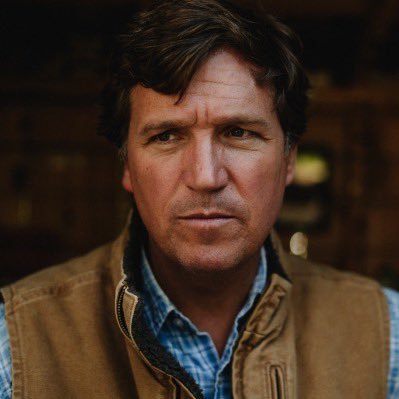
Under pressure from Israeli prime minister Benjamin Netanyahu, the Trump administration may be within days of launching a nuclear strike on Iran. The target would be Pickax Mountain in central Iran, where Israeli intelligence claims the Iranian government has restarted its nuclear enrichment program. No conventional weapon in the American arsenal can penetrate 300 feet of solid granite to destroy the tunnels where enrichment is supposedly taking place. The only military option is a nuclear strike. Netanyahu has been pushing hard for one. “Bibi calls Trump about it every day,” says an informed observer.
Netanyahu is cornered and desperate. After last week’s election results, he can’t form a government unless Trump intervenes directly in Israeli politics and brokers a deal with other parties that gives Netanyahu 61 seats in the Knesset. Otherwise, he is out as prime minister and on his way to ignominy, investigations and possibly jail. Netanyahu must stay close to Trump. He needs this war.
To that end, he’s applied maximum pressure to his closest allies in the administration, including Secretary of Defense Pete Hegseth and CENTCOM commander Brad Cooper. Both oppose a negotiated settlement to the war they’ve so grievously mismanaged; both are pushing to restart major combat operations. Secretary of State Marco Rubio and CIA director John Ratcliffe are also following Netanyahu’s lead, as are leaders of the Democratic Party. In a recent meeting on the subject, former president Barack Obama said he opposes the current Iran peace deal being drafted in Doha.
The rest of America’s longtime allies in the Middle East are terrified by the prospect of more war. On September 27th, Netanyahu flew secretly to Abu Dhabi to enlist the UAE in his lobbying effort for a final attack on Iran. The Emiratis refused. After eight months of conflict, Gulf economies are teetering. So are global energy and fertilizer markets. They won’t recover soon. Globally, there are a total of about 850 supertankers used to transport oil from producers to the rest of the world. In October alone, 11 of them were badly damaged in Hormuz. At this pace, a global depression is imminent. A nuclear strike would radically accelerate the destruction. Fallout from a ground explosion at Pickax Mountain would contaminate the Persian Gulf, poisoning the water supply for 100 million people.
And those are just some of the immediate consequences for the region. The rest of the world is every bit as exposed. No country other than the United States has ever used a nuclear weapon in war. Some would like to. An American nuclear attack on Iran would set a new precedent. The Russians have already told at least two other governments that an American nuclear strike on Iran would free them to use nuclear weapons against Ukraine. Pakistan and India would be tempted to do the same against each other, as would North Korea against Seoul. After the first nuclear strike, World War Three is inevitable. That war would be short and final.
We’ve been sleepwalking toward this moment for months. Since February, the administration has quietly rewritten America’s nuclear doctrine to make first use of so-called “battlefield nukes” easier and therefore more likely. No one in Washington in either party seems bothered by this. Now we’re on the brink of it.
Close observers say Trump is likely to decide by next weekend whether or not to use nuclear weapons. That would be November 7, six days from now. To his credit, he’s hesitating. At the moment, Trump is listening to his vice president, JD Vance, and to his envoy and friend Steve Witkoff, both of whom argue a deal with Iran can be made.
They’re right, though it won’t be simple. The Iranians are famously frustrating to negotiate with under any circumstances, and elements of that government have become more radical since Ayatollah Ali Khamenei and his family were killed in February. After decades of isolation, even relatively moderate Iranian leaders seem confused by how decisions are made in the West. (There is a widespread belief in Tehran, for example, that the United States government controls Israel.) But overall, people who have spoken to decision-makers in Iran say there is consensus there that more war is bad for everyone and a deal is worth making.
One group that hasn’t been consulted so far is the global population — the hundreds of millions of people who will be killed along with their children if Trump is pushed by Netanyahu into launching a nuclear strike next week. Now would be the time for them to speak up.
Ali retweeted

İran Dışişleri Bakanı Abbas Arakçi:
Bölgedeki üç ülke, Mekke Anlaşması'nı imzaladı.
Ancak o anlaşmanın üyeleri olarak Tahran'ı ziyaret etmediler.
Üç büyük bölgesel ülke olarak, başka bir büyük ülkeyle istişare arayanlar olarak ziyaret ettiler.
Bunun iyi bir başlangıç olduğuna inanıyorum. Yaklaşımları son derece olumlu ve yapıcıydı.
Dört ülke arasında farklı seviyelerde bu görüşmelerin devamı konusunda anlaştık

Ali retweeted
Bu post'un altına "ŞANLI TÜRK BAYRAĞI" bırakanlar birbirini takip etsin. Bende hepinizi takibe alayım...
🇹🇷TAKİPLEŞELİM CANLAR🤲🇵🇸
🤖 Made with AI


Ali retweeted
صلي على النبي الله ﷺ💟
@zjjz4hr
@zzjjzza
@o6guml
@boo3zla
@AaHh1970
@joumanalm
@jwry96484821
@khlajo_01773
@Abdalghani47955



Ali retweeted
🇹🇷 Yoruma “ŞANLI TÜRK BAYRAĞI” bırak!
🇹🇷 Bayrak bırakanları #Takip et!
🇹🇷 Tüm isteklere #GeriTakip yap!
👉 Takipleşme büyüsün, hesaplar yükselsin..

ALT biz birlikte güçlüyüz. takip et geri takip bul
Ali retweeted
🚨 Makkah Mukarramah and Madinah Munawwarah are the two holiest cities in the world. The hearts of two billion people across the Muslim world beat with these sacred cities, and they are deeply embedded in the spiritual consciousness of the people of Pakistan.
Any attack, or even an intention to attack either of these holy cities, would cross an absolute red line for Pakistan, the people of Pakistan and the entire Muslim world.
#Pakistanstandswithsaudiarabia
Ali retweeted

◦More than 100 people, including 50 children, are estimated to have been sheltering in the building, with rescuers struggling to reach survivors amid a severe shortage of specialized machinery due to Israeli restrictions. “We can still hear the voices of people alive beneath the rubble,” Gaza’s rescue chief said.


