

Stay informed on the forces shaping global health. Holistic Intelligence in Healthcare. Industry Blog. By Anton Baysa, M.D., Ph.D.
Oslo, Norway
Joined July 2024
- Tweets61.6K
- Following1.3K
- Followers5K
- Likes39K





Pinned Tweet
Welcome to @AponiaAnalytics
🦉🦉🦉
Curious about how emerging diseases and breakthrough innovations shape tomorrow’s healthcare worldwide?
Follow along for the latest news, real-time trends, and unbiased analysis.
🦉📈💊⚕️
Your provider of holistic intelligence in healthcare and biotech.
We cover:
- #BreakingNews in biotech, medtech, and healthcare.
- Health threat reports, emerging #diseases, #outbreaks, #epidemiology.
- #MarketAnalysis
- Trending companies and #startups.
Follow us!
@aponia_analytics team 🦉🦉🦉

🦉 CAR-T cells carry the scars of prior treatment
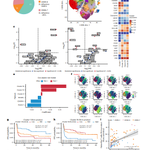
In 580 lymphoma patients, CAR-T products rich in naive-like T cells were linked to a 54% lower risk of progression or death (HR 0.46).
These cells became less abundant after successive treatment lines. Their association with survival persisted after adjusting for tumor burden, inflammation and CAR-T expansion.
The implication: earlier CAR-T treatment may preserve the cellular quality needed for lasting responses. But causality remains unproven.
#immunotherapy #CAR_T #T_cell
nature.com/articles/s41591-0…

🦉 Tumors May Suppress Immunity Before Immune Cells Arrive
Prostate cancer cells release vesicles carrying miR-302/367 that push macrophages toward an immunosuppressive state. Blocking these microRNAs restored inflammatory features ex vivo.
The implication: immune resistance may begin in the bloodstream, not just inside tumors. Whether this reprogramming occurs in vivo remains unproven.
#immunotherapy #T_cell
link.springer.com/article/10…

🦉 Finding a cancer target isn't enough
Precision oncology promises to match each tumor with its molecular vulnerabilities. But finding a druggable mutation and delivering an effective treatment are very different achievements.
At Freiburg, researchers evaluated 98 patients with advanced melanoma. Molecular profiling identified potential targets beyond conventional BRAF V600 mutations in 83.8% of successfully analyzed cases.
Yet only 27 patients received tumor-board-guided treatment. Among treated patients, disease control reached 42.9%, but objective responses occurred in just 10.7%.
The bottleneck wasn't simply identifying targets. Patients could deteriorate before treatment began, while many proposed combinations lacked strong clinical validation.
An important distinction emerges: molecular actionability is not the same as therapeutic benefit.
The study had no randomized control group, so survival benefit remains unproven.
Perhaps precision oncology needs to measure not just how many targets it discovers, but how quickly those discoveries become treatments that actually work.
#immunotherapy #CAR_T #T_cell
nature.com/articles/s41698-0…

🦉 Timing may matter more than the antibiotic itself
Antibiotics have been linked to poorer immunotherapy outcomes. But their timing may be an overlooked variable.
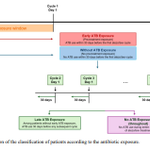
In a retrospective study of 177 patients with unresectable liver cancer receiving first-line atezolizumab plus bevacizumab, antibiotic exposure within 30 days before treatment was associated with markedly shorter survival.
Median overall survival was 5.8 versus 16.9 months, while progression-free survival was 2.3 versus 6.3 months.
Yet antibiotic exposure later during treatment showed no statistically significant association with worse outcomes.
One possible explanation is that microbiome disruption before immunotherapy affects the conditions needed for an effective initial immune response. But the study did not measure microbiome changes, and causality remains unproven.
Only 22 patients received early antibiotics, and they had poorer baseline prognostic characteristics. The results therefore do not justify withholding necessary antibiotics.
The more useful question is whether the immune system is particularly vulnerable to microbiome disruption before checkpoint blockade begins.
#immunotherapy #CAR_T #T_cell
👉nature.com/articles/s41598-0…

🦉 One target, two ways to fight cancer
Blocking cancer cell division and activating anti-tumor immunity usually require different therapeutic strategies. In lung cancer, both processes may depend on the same protein.
Researchers identified PRPF19 as a regulator with two distinct functions.
It helps tumor cells complete cytokinesis by controlling CIT localization. At the same time, it promotes degradation of NF-κB p65, suppressing CXCL10 and limiting CD8+ T-cell recruitment.
Silencing PRPF19 therefore delivers a double effect: tumor cells struggle to divide, while CXCL10-driven immune infiltration increases.
In mouse models, tumor suppression was partly reversed when CD8+ T cells were depleted, confirming that the benefit was not simply a consequence of impaired proliferation.
The broader opportunity is to target proteins that simultaneously sustain tumor growth and restrict immune access.
Clinical efficacy remains untested, and PRPF19's essential cellular functions raise selectivity and safety questions.
#immunotherapy #CAR_T #T_cell
👉nature.com/articles/s41419-0…

🦉 Can CAR-T kill leukemia without destroying bone marrow?
The central obstacle to CAR-T therapy in acute myeloid leukemia isn't simply killing cancer cells. It's finding an antigen that distinguishes leukemia stem cells from the healthy stem cells needed to rebuild blood.
ROR2 may offer that distinction.
Researchers detected surface ROR2 in 17 of 40 AML patients, particularly those with adverse-risk disease. It was also present on leukemia stem cells but undetectable on normal hematopoietic stem cells tested.
Anti-ROR2 CAR-T cells eliminated ROR2-positive leukemia, including stem-like populations, in preclinical models while sparing normal hematopoietic cells.
That creates an intriguing possibility: targeting the cells responsible for relapse without requiring subsequent stem-cell transplantation.
But ROR2-negative leukemia cells can escape, and human safety remains unproven. The challenge now is whether this selectivity survives clinical testing.
#immunotherapy #CAR_T #T_cell
nature.com/articles/s41417-0…

🦉 Not all neutrophils are cancer's allies
Neutrophils are often linked to immune suppression and poor cancer outcomes. But treating them as a single population may obscure what actually matters.
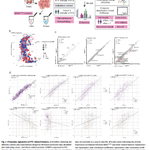
Researchers integrated single-cell data from one million human neutrophils across 43 datasets, revealing distinct immune programs with very different clinical associations.
In tumors, VEGFA- and NF-κB-associated neutrophil signatures correlated with exhausted CD8+ T cells, regulatory T cells and poorer survival. In contrast, the CD74-associated signature was linked to better survival.
The implication is intriguing: neutrophil abundance alone may be a poor guide to their role in cancer. Their functional state could be far more informative.
These are observational transcriptomic associations, not proof that particular neutrophil subsets cause treatment resistance or improve survival.
For immunotherapy, the question may shift from how to eliminate neutrophils to which neutrophil programs should be suppressed—or preserved.
#immunotherapy #CAR_T #T_cell
doi.org/10.1038/s41590-026-0…

🦉 Can cancer vaccines work as pills?
NEC reports neoantigen-specific immune responses in all 8 breast cancer patients given its personalized oral DNA vaccine alongside chemotherapy and pembrolizumab.
Five achieved pathological complete response. But without a control arm, the vaccine’s contribution remains unknown.
#immunotherapy #CAR_T #T_cell
nec.com/en/press/202610/glob…

🦉 Vaccinate before cancer returns?
Geneos has launched a randomized Phase 2 trial of personalized DNA vaccines in 90 liver cancer patients after surgery.
The key shift: target microscopic residual disease before recurrence, rather than established tumors. Up to 40 neoantigens per vaccine. Clinical benefit remains unproven.
#immunotherapy #CAR_T #T_cell
geneostx.com/geneos-therapeu…

🦉 Fewer biomarkers, better CAR-T predictions
CAR-T exhaustion is a major obstacle to durable cancer treatment. But measuring more molecular markers doesn't necessarily improve our ability to recognize it.
Japanese researchers profiled microRNAs in CAR-T cells exposed to repeated antigen stimulation. They identified 39 exhaustion-associated miRNAs, validated 18, then selected just six by removing biological pathway redundancy.
Surprisingly, the six-marker model outperformed the larger panels, achieving an AUC of 0.958.
The interesting lesson extends beyond CAR-T: molecular diversity may matter more than the number of biomarkers measured. Six markers capturing distinct biological processes can provide more information than dozens describing overlapping pathways.
The limitation is substantial: only 17 cell samples were used, without independent clinical validation. This is not yet a predictor of patient outcomes.
Still, it offers a practical direction for CAR-T manufacturing: measure functional fitness, not simply cell quantity.
#immunotherapy #CAR_T #T_cell
👉sciencedirect.com/science/ar…

🦉 Small Tumors, Dangerous Biology
Early-stage cancer is often treated as low-risk disease. But tumor size and clinical stage may conceal very different biological trajectories.
A proteomic analysis of papillary thyroid cancer samples from 797 patients identified six molecular subtypes, ranging from highly differentiated tumors to those enriched in invasive and proliferative programs.
One particularly interesting group, representing just 4.9% of discovery samples, showed elevated ribosome biogenesis, RNA processing, and pathways associated with malignant progression.
Meanwhile, GPX3 marked a more differentiated, favorable phenotype, whereas TMSB4X was enriched in the higher-risk, ribosome-biogenesis subtype.
The underlying question is whether anatomical staging captures the biology that actually determines progression.
These retrospective findings do not yet establish which patients can safely avoid surgery. But they suggest that molecular differentiation and protein synthesis programs could help distinguish genuinely indolent tumors from aggressive disease hiding within an early-stage diagnosis.
#immunotherapy #CAR_T #T_cell
nature.com/articles/s41467-0…

🦉 Senescence Has a Dangerous Tipping Point
Senescence is supposed to stop potentially malignant cells from proliferating. But stopping cell division is not the same as eliminating the cells.
In a mouse model of BRAF-driven senescence, the outcome depended on two factors: the burden of oncogene-expressing cells and the host's adaptive immunity.
Immunocompetent mice cleared lower burdens of BRAF-mutant cells and survived long-term. At higher burdens, inflammatory signaling intensified, T cells displayed exhaustion-associated features, and survival deteriorated. Mice lacking functional adaptive immunity failed to clear these cells, developing persistent inflammation and bone marrow failure.
The critical distinction is between inducing senescence and resolving it.
A senescent population can remain inflammatory even after proliferation stops. Whether senescence protects the host or contributes to pathology may therefore depend on the immune system's capacity to remove those cells before they accumulate.
These findings come from a hematopoietic mouse model, not a clinical trial.
#immunotherapy #CAR_T #T_cell
nature.com/articles/s41467-0…

🦉 Cancer's Metabolic Shield
Why do some tumors remain nearly invisible to T cells despite expressing recognizable cancer antigens?
In esophageal adenocarcinoma, the answer may lie partly in metabolism.
Spatial transcriptomics revealed that CD8-low tumors expressed high levels of cancer-testis antigens, including PRAME and MAGE proteins. Yet these tumors also showed impaired antigen presentation, elevated lipid metabolism, and stronger mitochondrial programs.
The metabolic pattern extended beyond cancer cells. Macrophages from T-cell-poor tumors relied more heavily on oxidative phosphorylation, while those from T-cell-rich tumors were more glycolytic.
This raises an interesting possibility: tumor metabolism may influence immune exclusion through both cancer-cell behavior and the functional state of surrounding myeloid cells.
The evidence is largely associative, based on small patient cohorts. Metabolic inhibition has not yet been shown to restore T-cell infiltration.
Still, the therapeutic question becomes more specific: can altering the metabolic environment make antigen-rich but immune-excluded tumors accessible to T cells?
#immunotherapy #CAR_T #T_cell
nature.com/articles/s41416-0…

🦉 Cancer Cells Can Hide Their Own Viral Alarm
Tumors can accumulate double-stranded RNA without mounting an effective antiviral response. The missing ingredient may be where that RNA ends up.
Researchers identified PTPN12 as a molecular brake on two cooperating processes in colorectal cancer.
Removing PTPN12 disrupts TRIM28-mediated silencing of transposable elements, generating endogenous dsRNA. But that is only half the mechanism. Cytoskeletal remodeling also brings dsRNA closer to its sensing machinery, amplifying MDA5–MAVS signaling and type I interferon production.
The distinction matters. Producing more immunostimulatory RNA does not necessarily mean the cell will detect it efficiently.
In mouse models, PTPN12 loss enhanced CD8+ T-cell activity and sensitivity to PD-1 blockade. Human colorectal cancer organoids showed increased susceptibility to T-cell killing, although clinical efficacy remains untested.
The broader lesson: overcoming immune resistance may require engineering not only the availability of danger signals, but their spatial recognition.
#immunotherapy #CAR_T #T_cell
👉nature.com/articles/s41467-0…

🦉 A Virus That Switches On Inside Tumors
The biggest obstacle to systemic oncolytic virus therapy may not be viral potency. It is controlling where that potency becomes active.
Researchers engineered vesicular stomatitis virus (VSV) with a protective cap that blocks cell entry until tumor-associated matrix metalloproteinases remove it.
Armed with IL-12, the modified virus eradicated established colorectal tumors in 9 of 10 mice, generated immune memory and tolerated a 10-fold higher dose than conventional VSV-IL-12 without the same systemic toxicity.
The key advance is separating viral delivery from viral activation. Instead of simply making an oncolytic virus more aggressive, its infectivity becomes conditional on the surrounding tissue.
This remains preclinical. MMP activity is not exclusive to cancer, so tissue selectivity and safety in humans remain unproven.
#immunotherapy #CAR_T #T_cell
nature.com/articles/s41392-0…

$EVAX
🦉 Can Cancer Vaccines Sustain Remission?
All 6 responders continuing EVX-01 alone remained progression-free at 3 years after earlier pembrolizumab combination therapy.
Encouraging durability, but vaccine-specific benefit remains unproven.
#immunotherapy #CAR_T #T_cell
globenewswire.com/de/news-re…

#OSE #France
🦉 Can Cancer Vaccines Reverse Resistance?
In Phase 2 NSCLC, Tedopi combinations achieved 46–47% one-year survival versus 29% with docetaxel.
Encouraging, but superiority remains unconfirmed.
#immunotherapy #CAR_T #T_cell
globenewswire.com/fr/news-re…

$GSK @FDA
🦉 Surgery Is No Longer Inevitable
FDA grants accelerated approval to dostarlimab for dMMR/MSI-H stage II–III rectal cancer, opening a path to organ preservation without routine surgery or radiation.
Long-term durability remains the key question.
#immunotherapy #CAR_T #T_cell
fda.gov/drugs/resources-info…
