

Marketing, arts, data, insights, charities - and now working to support Stop Scams UK members fight fraud and scams.
Billericay/Chicago/NornIron
Joined July 2009
- Tweets13K
- Following3.8K
- Followers1.5K
- Likes6.4K


Sarah Clarke retweeted

Scammers don't always make themselves easy to spot but protecting yourself online doesn't have to take hours⏳
From secret family codes to call screening, we asked our experts to share the precautions they take in their own lives👇
which.co.uk/news/article/how…

ALT A person in an orange shirt looks at a laptop with a concerned expression. The image features text at the bottom: "The easy ways to outsmart scammers: 7 tricks our experts use themselves." The Which? logo is present.
#AI might be lowering barriers to #fraud among consumers who might not otherwise engage in it, according to new research from @SocureID. biometricupdate.com/202610/a…

"It blurs authorship. If you did not personally write the deceptive message or build the false document, the act feels less like yours." This is an interesting read on the effect of #AI on rationalisation when it comes to the psychology of #fraud: letstalkfraud.com/fraud-tria…

Sarah Clarke retweeted

One in three young adults would consider acting as money mules buff.ly/LLCax0H

Sarah Clarke retweeted

The baby boomer generation is the first to enter its most vulnerable years with unfettered access to the internet and, like the rest of us, it has trouble looking away. Americans over 60 now spend more than half their leisure hours in front of screens. But unlike millennials and most Gen-Xers, who have spent years navigating engagement bait, stealth marketing, and AI slop — and have developed a working instinct for what to trust — older adults tend to have little idea of what they’re looking at. This susceptibility is creating an entirely new type of responsibility for the adult children of these suddenly very online parents.
These adult children describe watching their relatives — call them iPad parents — ingest content they have no context for, slipping into a zombified state of consumption that their loved ones often believe is exacerbating their decline. “It seems like an addiction,” says Beth, a 51-year-old lawyer, who says she has watched her 84-year-old mother’s attention span atrophy over the past few years. “It kind of has the same symptoms — getting fussy if she’s not online or just constantly going back to try and get online.”
Marti DeLiema, a gerontologist at the University of Minnesota, likens the process of regulating a parent’s internet access to getting an adult to give up driving in their later years. “Driving is part of your identity. It’s like a mark of freedom and independence,” she says. The online world is “also a source of your social connection.” All this amounts to a particularly tricky balancing act for adult children: figuring out how to preserve their parents’ independence while protecting them from an ever-advancing slop-filled ecosystem.
Read Jessica Lucas’s report on how adult children now have to save their retired parents from slop-filled, scam-riddled feeds: nymag.visitlink.me/FQ9dBi

The total amount stolen by criminals who hack into people’s emails and social media accounts and then pretend to be them has risen by more than 400% in a year. theguardian.com/money/2026/o… #SocialMedia #Fraud #Scams

Sarah Clarke retweeted

🔐 October is #CybersecurityAwarenessMonth
🚨 There were 44,355 victims of email and social media account hacking last year.
✅ Protect your email and social media accounts with a passkey.
Find out more: reportfraud.police.uk/social…

Half of Brits struggle to tell what’s genuine online as #AI supercharges #scams. nationaltradingstandards.uk/…
The @NTSscamsteam's AI Scam Watchlist shows that the top 10 scams being supercharged by AI are:
Shopping scams
Investment scams
Romance scams
Travel and ticket scams
Technical support scams
Jobs scams
Charity scams
Family impersonation scams
Rogue trader scams
Recovery scams
Sarah Clarke retweeted
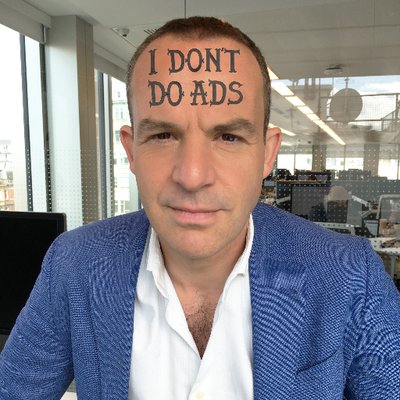
Pls spread word. Three digits can help protect you from scams: 159. If you're suspicious of a 'call from your bank', politely hang up and dial 159. It connects you to a switchboard that puts you through to your bank's real number. Watch the video for why its extra protection
A new Yahoo/YouGov poll shows that more than half of adult Gen Z respondents said that they have avoided expressing themselves freely online for fear of coming across as cringe. okayzoomer.substack.com/p/ge…
Leading to somewhere better - moving people's thinking using cultural mindsets research frameworksuk.org/resources/l… #framing #communications
What LinkedIn's new feed algorithm means for your content strategy - great piece from #digital agency, @empowerdigi. empower.agency/insights/soci… #SocialMedia #LinkedIn

Sarah Clarke retweeted

Here’s your weekly roundup of key updates from #CharityComms! Don’t miss a sneak peek of the digital delegate bag for our Strategic Communicators’ Conference, and our latest blog tips on moving from in-house to freelance and more events.
A new study shows that more than three-quarters of UK #charities are using #AI - the most common uses were to evaluate the effectiveness of #fundraising activity, monitor sentiment and attitudes, for data analysis, and to improve donor communication. thirdsector.co.uk/three-quar…

Not terribly surprising, given the economy, but a great boost for #charity shops...and good to see that people are also thinking sustainably. Also fantastic use of data and research from @TheBHF to support their Reuse Revolution campaign.
thirdsector.co.uk/four-five-…

Interesting article on how mainstream tv studios are looking to #SocialMedia more and more - as people are getting fed up having to pay for multiple streaming services and can consume lots of entertainment straight from short form content anyway.... marketingbrew.com/stories/20…

Lovely piece of positive news. Deaf scientists and educators have created 400 British Sign Language signs to make environmental science topics - like biodiversity and energy - more #accessible. ssc.education.ed.ac.uk/BSL/e…
Big fan of how Kelloggs have used "The OG" in their ad campaign. creativebloq.com/design/logo… #advertising #branding #marketing

"A successful #rebrand isn't about looking different - it's about communicating your ethos more effectively and connecting more deeply with those you serve." oschdesign.com/post/12-essen… #charities #branding
