

Verified Binance Creator | Crypto Educator & Content Creator | Paid Promotions & Project Collaborations Sharing insights on Web3
Joined July 2025
- Tweets1.7K
- Following7.2K
- Followers6.4K
- Likes2.2K






🎒 If Blockchain Had a Travel Bag, This Would Be Mine. 🟡🇹🇭
One backpack. Four essentials. One big curiosity about the future of Web3.
My #BinanceBlockchainWeek Starter Pack isn’t just about packing for Bangkok — it’s about packing for the ideas, conversations, and connections I hope to discover along the way. 🌍
🎒 The Backpack: Ready to carry my curiosity everywhere.
📱 The Phone: To stay connected with the crypto world and follow the latest market developments.
🎧 The Headphones: For focus when the charts get noisy.
🔋 The Power Bank: Because curiosity shouldn’t run out of battery halfway through the journey.
🛂 The Passport: The essential reminder that great ideas cross borders.
📓 The Notebook: To turn inspiring conversations into lessons worth keeping.
My favourite item? The notebook. Technology moves fast, but the best lessons come from listening, asking questions, and learning from people who see the future differently.
That’s what makes a blockchain community exciting: different minds, shared curiosity, and ideas that can travel far beyond one event. 💛
Bangkok, if I get the chance, I’m bringing an open mind and leaving room for new ideas.
Your turn: 👇 What is the ONE item in your Blockchain Week Starter Pack that you absolutely cannot leave behind?
#BinanceBlockchainWeek #BinanceAngels

Qafila 2026 Explained: Five Milestones, One $1M Reward Pool What Beginners Should Know Before Participating
🎉 A Million Reasons to Celebrate But First, Understand the Journey!
What if a campaign could turn learning about different Binance activities into a shared community experience? That’s the idea behind Binance Qafila 2026, featuring a $1 million total reward pool across multiple campaign activities.
But before participating, beginners should understand how the milestones work, what the requirements mean, and why checking eligibility matters. 👇
🔹 1. First Trade
Complete an eligible first trade with at least $25 in trading volume through Spot, Convert, or Futures, where available. Eligible rewards can be up to 20 USDC.
🔹 2. First TradFi Perps Trade
Eligible participants can explore the first TradFi Perpetual Futures trade milestone, requiring at least $500 in trading volume. Rewards can be up to 15 USDC.
🔹 3. Spot & Futures Trading Challenge
Eligible users can participate in the trading challenge and compete on the leaderboard for a share of the stated 75,000 USDC reward pool.
Trading involves risk, so never trade just to chase rewards.
🔹 4. First Earn Subscription
Subscribe to Simple Earn with at least 20 USDT and maintain the subscription for at least two days to meet the stated requirement. The listed reward is 1.5 USDC.
🔹 5. Referral Challenge
Invite friends to join Qafila and participate in eligible referral activities. Individual rewards can be up to 20 USDC, with a stated top leaderboard reward of 10,000 USDC.
💡 What should beginners remember?
✅ Read each milestone’s requirements before participating.
✅ Check which activities are available in your country.
✅ Understand trading risks, fees, and applicable terms.
✅ Never assume that joining guarantees a reward.
✅ Verify the latest details on the official campaign page.
🤝 Qafila is about more than individual milestones. It’s an opportunity for eligible communities to explore, learn, and participate together.
🚀 Ready to explore your Qafila journey? Visit the official campaign page to review eligibility, available activities, rewards, and Terms & Conditions:
🔗 binance.com/en/ti/act/Qafila
Important: Campaign activities, eligibility, and rewards vary by market. The $1 million represents the overall campaign reward pool, not a guaranteed individual reward. Digital assets are subject to market risk and price volatility. This post is for informational purposes only and is not financial advice.
#Binance #Qafila2026 #BinanceCampaign #CryptoEducation #CryptoBeginners #USDC #SimpleEarn #Web3Community #CryptoAwareness #DYOR

AzamRaja retweeted

A project can have a story, but its community gives that story a life of its own. 🌱
That’s what makes the Eight Rise interesting to me.
Every creator brings a different perspective. One person shares an idea, someone else builds on it, and another person starts a conversation that neither expected.
That’s how a community can become more than a group of people following the same project.
What I appreciate about the Hazels concept is the emphasis on learning from one another instead of treating every journey as a solo mission.
There’s still so much room for the community to grow, and I’m curious to see the ideas, connections, and creative work that emerge along the way.
Different voices. Shared growth. One story still unfolding. 🌰🔥
@0xhazels #WEAREHAZELS

Beyond the Spin: The Smart Beginner’s Guide to Binance Trading Rush Missions, Referrals, and USDT Rewards Explained
A rewards campaign can look exciting, but understanding how it works is more important than simply chasing the prize.
That’s where a beginner should start with Binance Trading Rush.
1. Understand the Missions
Missions are tasks designed around specific campaign requirements.
Before starting, read what each task actually asks you to do, how completion is verified, and whether any conditions apply.
Never assume that opening a page or clicking a button automatically qualifies you for a reward.
👥 2. Understand Referral Requirements
Referral campaigns can have conditions beyond sharing a link. Depending on the campaign rules, eligibility may depend on the invited user's actions, account status, or completing specific tasks.
Always check the official requirements before inviting friends. A referral is an invitation to explore a platform, not a promise that someone will earn rewards.
💵 3. What About USDT Rewards?
USDT is a stablecoin designed to track the US dollar, but receiving a reward is not always the same as receiving an unconditional cash payment.
Check how rewards are distributed, who qualifies, whether a reward pool is limited, and when eligible participants can receive their rewards.
🧠 4. Play Smart, Not Just Fast
Before participating:
✅ Read the campaign rules.
✅ Check regional eligibility.
✅ Understand deadlines and reward conditions.
✅ Never share passwords or verification codes.
✅ Avoid unnecessary trading just to chase a prize.
🌟 The Real Takeaway
The smartest participant isn't necessarily the person who clicks the fastest. It's the person who understands the rules, protects their account, and makes informed decisions.
Campaign mechanics, availability, and rewards may change, so verify everything through Binance's official announcements and campaign page.
DYOR. Don't let the excitement of a reward replace your judgment.
Explore Trading Rush here:
app.binance.com/en/activity/……
Understand the mission before chasing the reward.
#Binance #TradingRush #BinancePakistan #PKExclusive #Crypto #USDT #Web3

From Everyday Activity to Rewards: How Binance Points Turn Your Normal Binance Journey Into One Rewards System
Most people think of rewards as something separate from their normal activity.
Binance Points make that idea more interesting.
Instead of looking at every Binance feature as an isolated experience, Points can create a simple connection between eligible activities and rewards.
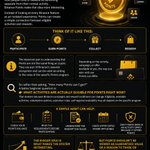
Think of it like this:
Participate → Earn Points → Collect → Redeem
The important part is understanding that Points are not the same thing as crypto.
They are part of Binance’s rewards ecosystem and can be used according to the rules of the specific Points program.
Depending on the activity, campaign, or offer available to you, the way you earn and use Points can differ.
So rather than asking, “How many Points can I get?”
A better beginner question is:
👉 What activities are actually eligible for Points right now?
That matters because Binance campaigns and reward conditions can change. Eligibility, available activities, redemption options, expiration rules, and regional availability may all depend on the specific program.
A simple habit can help:
🔹 Check your Points balance
🔹 Read the requirements before participating
🔹 Understand the redemption rules
🔹 Check expiry dates where applicable
🔹 Don’t participate in an activity simply because it offers Points
The bigger idea is what makes the system interesting.
Your Binance journey can include many different types of activity, and a rewards layer can give users another way to interact with the ecosystem.
But Points shouldn't be viewed as guaranteed value or a reason to trade or spend more.
Use the features that genuinely make sense for you then treat rewards as an extra, not the goal.
Always check Binance’s official Rewards Hub and current terms for the latest information.
DYOR.
Also use this link to understand better and join
binance.com/en/support/ann…
#BinancePoints #Binance #Rewards #BinanceSquare #RewardsHub #Crypto #Web3

AzamRaja retweeted

One week into 100 days of AI
Have a question? Simply #AskBinance 🙌
What to do:
1️⃣ Like + repost
2️⃣ Comment with your question + #AskBinance
3️⃣ Complete survey 👉 app.binance.com/uni-qr/user-…
200USDC will be given to each user whose question has been chosen. Ends 4 Oct 23:59 UTC
Binance Card in 2026: What Users Should Check Before Applying or Using It
A crypto card can look simple from the outside: load your account, make a purchase, and move on.
But before using a Binance Card, there are a few details worth checking first.
Here’s my beginner-friendly checklist 👇
1️⃣ Is it available in your region?
Binance Card availability and eligibility can vary by country. Don’t assume that a feature available to someone else will automatically be available to you.
2️⃣ Check the supported assets
Not every cryptocurrency can necessarily be used for card payments. Review the currently supported assets and understand your available payment options.
3️⃣ Understand Payment Priority
Your payment priority determines which eligible assets are considered first when processing a purchase. Check your settings before spending.
4️⃣ Know the fees
Look at the current fee structure, including any applicable conversion or transaction-related charges. Small costs can matter when they happen repeatedly.
5️⃣ Check limits
Review your applicable spending, transaction, and account limits. These can depend on your region and account status.
6️⃣ Understand the conversion process
When crypto is used for a card transaction, the payment may involve conversion before the merchant is settled. Understanding this process helps avoid surprises.
7️⃣ Read the current terms
Crypto products and card features can change. The information you see in an old post or video may no longer match the current product.
8️⃣ Protect your account
Use strong security settings, keep your account information private, and review transactions regularly.
The simple rule?
Don’t apply first and investigate later.
Check eligibility, supported assets, fees, limits, payment settings, and regional terms first.
binance.com/en/cards/
For the latest information, always use Binance’s official resources.
DYOR before using any crypto payment product. 📚
#BinanceCard #Binance #Crypto #CryptoPayments #DigitalAssets #Web3 #CryptoEducation

💳 A Beginner’s Guide to Managing a Binance Card.
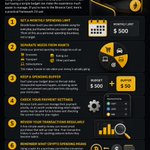
Spending Budget
Using a crypto card can make everyday payments feel simple—but having a simple budget can make the experience much easier to manage.
If you’re new to the Binance Card, here’s a practical framework I’d use:
1️⃣ Set a monthly spending limit
Decide how much you are comfortable using for everyday purchases before you start spending. Think of this as a personal spending boundary, not a target.
2️⃣ Separate needs from wants
Divide your planned spending into categories such as:
🛒 Groceries
🚗 Transport
💻 Subscriptions
🍔 Eating out
🎯 Other purchases
This makes it easier to see where your money is actually going.
3️⃣ Keep a spending buffer
Don’t plan your budget down to the last dollar. Unexpected expenses happen, so leaving some room can prevent one purchase from disrupting your entire plan.
4️⃣ Check your payment settings
Binance Card users can manage their payment priority, so it’s worth understanding which eligible assets may be used for purchases and checking the current rules for your region.
5️⃣ Review your transactions regularly
A five-minute weekly review can reveal small purchases that add up over time. Your transaction history is useful for spotting patterns before they become habits.
6️⃣ Remember what crypto spending means
Using crypto for a purchase can involve conversion and asset-price considerations. Fees, supported assets, limits, availability and features may vary by region.
The goal isn't to spend more crypto.
The goal is to know how much you're spending, what you're spending it on, and why.
binance.com/en/cards/
Check Binance’s official Card resources for the latest product information, and always DYOR before using any crypto payment product.
#BinanceCard #Binance #Crypto #CryptoPayments #DigitalAssets #Web3 #CryptoEducation

💳 Binance Card and Stablecoins: Why They Can Be Important for Spending
When people talk about spending crypto, the first assets that usually come to mind are Bitcoin or BNB.
But there is another category that can make the conversation more interesting: stablecoins.
Stablecoins are digital assets designed to track the value of a reference currency, such as the US dollar.
Their main idea is simple: combine blockchain-based functionality with a value structure that is intended to be more stable than many other crypto assets.
So where does the Binance Card fit in?
For eligible users, supported cryptocurrencies can be used as collateral for card purchases. Binance currently lists assets including USDC, USDT and FDUSD, alongside other supported cryptocurrencies.
Users can set a payment priority in the Card Dashboard, and the system follows that order when processing a purchase.
This creates an interesting spending flow:
Stablecoin → Binance Card → Conversion → Card payment → Merchant
The merchant does not necessarily need to accept stablecoins directly. Binance handles the conversion process for eligible card transactions, allowing the payment to work through the card network.
Why does this matter?
Because it shows how stablecoins can connect blockchain-based assets with familiar payment infrastructure.
But “stablecoin” does not mean “risk-free.” Availability, supported assets, fees, regulations and card features can vary by jurisdiction. Always check Binance’s official Card information for your region before using the product.
The bigger picture is simple:
Stablecoins can be more than something people hold or trade—they can also become part of the bridge between digital assets and everyday spending.
DYOR. 📚
More Information open link
binance.com/en/cards/
#BinanceCard #Binance #Crypto #CryptoPayments #DigitalAssets #Web3 #CryptoEducation

💳 Why Crypto Debit Cards Matter for Real-World Adoption
Crypto adoption is often measured by trading volume, new wallets, or how many people hold digital assets.
But there is another question that matters just as much:
👉 Can people actually use crypto in everyday life?
This is where crypto debit cards become interesting.
A traditional crypto payment can require a merchant to directly accept a specific digital asset.
A crypto-linked card takes a different approach. For eligible users, supported crypto can be used as the payment source while the transaction is processed through familiar card-payment infrastructure.
That creates a bridge between two worlds.
🌐 Crypto ecosystem
Digital assets → conversion → card payment
🏪 Everyday commerce
Tap → pay → merchant receives the required payment currency
The important part is not simply being able to “spend crypto.”
It is reducing the gap between holding digital assets and using them in situations people already understand: shopping online, paying at participating merchants, or using a card through supported payment networks.
For beginners, this can also make the concept of crypto feel more practical.
Instead of learning an entirely new payment system, the card experience can look familiar while the crypto-related process happens in the background.
But real-world adoption is about more than convenience. Availability, supported assets, fees, transaction limits, regulations, and eligibility can vary by country and product.
A card also doesn't remove the risks associated with crypto price movements.
So the bigger picture isn't “crypto replaces traditional money.”
It is about building more connections between digital assets and existing financial infrastructure—while giving users more ways to understand and use the technology in everyday situations.
More Details visit link
binance.com/en/cards/
That bridge is worth watching.
DYOR, and always check Binance's official Card resources and terms for your region before using the product.
#BinanceCard #Binance #Crypto #CryptoPayments #DigitalAssets #Web3 #CryptoEducation

AzamRaja retweeted

🚨 BTC IS BACK IN THE SPOTLIGHT 👀
BTC is back around the $87K level after a long time.
Think you can call the next opening price?
🔥 5-Day BTC Price Prediction Challenge
🎁 $40 USDT Total Rewards
🏆 5 Winners
💰 $8 USDT Every Day
How to Join
✅ Follow @GateDesi
❤️ Like this post
🔁 Repost this post
💬 Comment your BTC price prediction
👥 Tag 3 friends
🏷️ Use #SA_BTCPrediction
⏰ Prediction closes: 6:00 PM UTC
📊 Reference: BTC opening price at 9:00 PM UTC
Closest prediction wins $8 USDT for the day.
📅 September 22–26, 2026
BTC is moving again. What's your call? 👀📈
Good luck!

AzamRaja retweeted

🟡 500 USDT. 1 ganador. B THE ONE.
¿Querés ser THE ONE? 👀
El desafío está en Binance Square, la plataforma social de Binance.
¿Cómo participar? 👇
- 1️⃣ Entrá a Binance Square
- ❤️ Dale Like al post de B THE ONE
- 💬 Respondé en los comentarios: ¿Qué haría THE ONE con los 500 USDT?
📅 Participá hasta Sep 25, 2026
Aplican Términos y Condiciones.
binance.com/es-LA/square/pos…
💳 Crypto Spending vs. Traditional Debit Cards: What Is Really Different?
At first glance, a Binance Card and a traditional debit card can feel almost identical: you tap, insert, or pay online, and the merchant receives payment.
So what actually changes behind the scenes?
With a traditional debit card, your payment normally comes from fiat money already held in your bank account.
With the Binance Card, eligible users can use selected cryptocurrencies from their Binance Spot and/or Funding Account as the payment source. You set a Payment Priority, and the system follows that order when processing a purchase.
Here’s a simple example:
Imagine your priority is:
USDC → BNB → BTC
If your USDC balance is enough for the purchase, it is used first. If it isn't enough, the system can move through your selected assets according to the priority you set. Binance handles the crypto-to-fiat conversion automatically for the transaction.
That creates one important difference:
🏦 Traditional debit card
Fiat balance → Payment → Merchant
₿ Crypto card
Eligible crypto → Automatic conversion → Card payment → Merchant
The merchant doesn't need to accept Bitcoin, BNB, or another cryptocurrency directly. The card payment runs through the card network.
But this doesn't mean the two cards are identical. Crypto prices can change, conversion fees may apply, and supported assets, limits, features, and availability depend on the user's region and program.
The takeaway is simple: the payment experience can look familiar, but the source of funds and conversion process are different.
binance.com/en/cards/
Always check Binance's official Card terms for your region and DYOR before using any crypto payment product.
#BinanceCard #Binance #Crypto #CryptoPayments #DigitalAssets #Web3 #CryptoEducation

💳 What Actually Happens When You Pay With a Binance Card?
Ever wondered what happens behind that simple “Tap to Pay”?
It’s more interesting than it looks.
When you use a Binance Card at a Mastercard merchant, you are not simply sending Bitcoin, BNB, or another crypto directly to the shop. The payment process handles the conversion behind the scenes.
Here’s the simple flow 👇
1️⃣ You make a purchase
You tap, insert, or use your Binance Card online just like a regular payment card.
2️⃣ Your payment priority kicks in
Binance checks the cryptocurrencies you selected in your Card Dashboard. Depending on your setup, eligible assets can be used from your Funding and/or Spot Account.
3️⃣ Crypto is converted automatically
The required amount is converted in real time to settle the card transaction. You don't have to manually sell your crypto before every purchase.
4️⃣ The merchant gets paid
The merchant receives the payment through the card network in the required settlement currency—not your crypto directly.
5️⃣ Your crypto balance is updated
The amount needed for the transaction is deducted according to your selected payment priority.
For example, if you set USDC → BNB → BTC and have enough USDC, the system will use USDC first before moving to the next asset.
That’s the part I find most interesting: the customer experience looks like a normal card payment, while the crypto conversion happens in the background.
⚠️ Availability, supported assets, fees, and features can vary by region, so always check your Binance Card Dashboard and official terms before using it.
Crypto on the front.
DYOR
Traditional payment rails underneath. 🌐
binance.com/en/cards/
#BinanceCard #Binance #Crypto #CryptoPayments #DigitalAssets #Web3 #CryptoEducation

Binance Card as a Bridge Between Crypto and Everyday Spending 💳
For many people, crypto still feels like something that exists mainly inside an exchange or trading app.
But the real-world usefulness of digital assets becomes easier to understand when there is a practical way to connect them with everyday payments.
That’s where a crypto-linked card such as the Binance Card comes into the picture.
The basic idea is simple: instead of treating crypto only as something to hold or trade, eligible users can use supported digital assets for certain everyday card purchases, subject to the card’s availability, supported assets, limits, fees, and applicable terms in their region.
This creates an interesting bridge between two financial worlds:
🔹 Crypto ecosystem — digital assets held within a crypto platform
🔹 Everyday payments — purchases made through a card at participating merchants
For beginners, one important point is that using a crypto card does not mean every cryptocurrency works everywhere or that every user has access to the same features.
Availability, eligibility, supported assets, transaction limits and fees can vary depending on the country and current Binance terms.
Another important habit is checking the details before spending. Understanding which asset is being used, how conversion works, what fees may apply, and how transactions appear in your account can help avoid surprises.
The bigger picture is about utility. Crypto adoption is not only about buying and selling digital assets; payment infrastructure can also play a role in making digital assets easier to interact with in everyday life.
Always verify the latest information through official Binance resources because card features and availability can change by region.
DYOR — Do Your Own Research. This post is for educational purposes only and is not financial advice or an investment recommendation.
Mor learn Open link
binance.com/en/cards/
#BinanceCard #Binance #Crypto #CryptoPayments #DigitalAssets #Web3 #CryptoEducation

ETH Staking: earn rewards, get WBETH for DeFi. Medium risk
Most days I’m watching ETH charts, waiting for a clean setup, while some of my capital just sits there doing nothing. I used to think that was simply the cost of waiting. Staking makes me question that.
I’m not interested in the usual “earn rewards” pitch. Crypto already has enough dashboards showing APY. What caught my attention with ETH Staking is the infrastructure underneath it. You’re committing ETH to staking, while WBETH can represent that staked position in DeFi. That changes the liquidity equation.
A practical example: I might not want to sell ETH after missing a breakout, but I also don’t want the position completely disconnected from DeFi. WBETH creates another routing layer where staked exposure can potentially move through supported DeFi strategies instead of remaining static.
But the abstraction adds risk. Smart-contract failure, validator or delegation issues, slashing exposure, liquidity differences and execution problems all matter. WBETH is not the same thing as native ETH sitting untouched in a wallet.
The bigger shift is interesting though. Staking turns ETH from simply an asset I hold into capital with an operational state.
I’m still watching where the real value accrues. If liquidity, staking and DeFi become increasingly connected, that substrate could matter more than the reward headline.
Link to earn product page.
binance.com/en/earn?utm_sour…
#BTC #ETH #Crypto #Binance #Stake #ETHStaking #cryptocurrency #Blockchain
🤖 Made with AI

🏔️ My Bitget Story — Every Step Taught Me Something
My crypto journey didn’t start with knowing everything. It started with curiosity.
At first, trading felt like standing at the bottom of a huge mountain. There were charts I didn’t understand, market moves I couldn’t predict, and plenty of lessons waiting for me.
But I kept climbing.
With every trade, I learned something new. Some decisions worked out, others became lessons. I gradually understood that successful trading isn’t simply about chasing profits — it’s about discipline, patience, risk management, and continuously learning.
That’s why Bitget’s 8th Anniversary Hiking Gift Box campaign feels meaningful to me. 🏔️
The hiking theme perfectly represents what the crypto journey is really like: you don’t reach the top in one step.
You learn.
You adapt.
You make mistakes.
You improve.
And then you take another step.
For me, every new market experience is another part of the climb. I’m still learning, still exploring, and still aiming for higher levels.
Congratulations to Bitget on 8 years! 🎉
Here’s to the next chapter, the next lesson, and the next peak. 🚀
Keep climbing.
Keep learning.
Keep moving forward.
#Bitget八周年 #交易极致主义 #Bitget

AzamRaja retweeted

Bitget喊你出来一起爬山啦!⛰️
#Bitget 八周年限定登山礼盒已就位,准备和你一起登顶交易极致新高度!
参与推文互动,即可赢同款礼盒。
1️⃣ 关注 @Bitget_zh
2️⃣ 转推本推文分享你与Bitget的故事,并带话题 #Bitget八周年 #交易极致主义
我们将抽取5位朋友,送出Bitget八周年登山礼盒一份! 🎁
Stay Home and Use Binance Card
Easy to Understand banifits and more.
Crypto becomes more useful when it can move beyond charts and trading screens.
That is what makes the Binance Card interesting to me. Instead of selling crypto manually and transferring money to another payment method, eligible users can use supported crypto from their Binance account for everyday purchases.
The process is simple. You choose your payment priority in the Card Dashboard, and the card uses available assets according to that order.
Binance says the Global Program can draw from selected cryptocurrencies in Spot, Funding, and Simple Earn Flexible accounts, depending on eligibility and settings. Supported assets and features can vary by country.
Another practical benefit is cashback. Under the current Global Program, eligible spending can earn up to 2% cashback, depending on monthly spending.
Binance’s current published tiers range from 0.5% to 2%, and cashback is credited on the 10th of the following month for eligible purchases.
The card is designed for online and offline payments at participating Mastercard merchants. Eligible users can receive a virtual card and add it to supported digital wallets, making crypto spending feel closer to a normal payment experience.
There is an important point, though: availability, fees, supported assets, limits, and cashback rules can differ by region. Users should check the Card Dashboard and Binance’s official terms before using the card.
For me, the value is simplicity: Binance Card connects digital assets with real-world spending and makes crypto feel less like something you only hold and more like something you can actually use today.
Use link 🔗
binance.com/en/cards/
#Binance #BinanceCard #Crypto #CryptoPayments #Bitcoin #BNB
#Binance #BinanceAcadmey #LearnWithBinance
