

Uncovering the pivotal battles, iconic leaders, and game-changing technology of military history. | Daily Facts | Weekly Threads | Historical Debates |
Joined March 2023
- Tweets1.8K
- Following202
- Followers3.2K
- Likes526





Pinned Tweet
1/12 Every great political leader needs an indispensable right-hand man, a military instrument of unparalleled sharpness. For the first Roman Emperor, Augustus, that man was Marcus Agrippa.
He was the military genius who won the battles that forged an empire, an innovator who changed naval warfare forever. 🧵

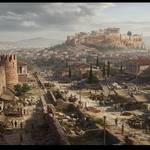
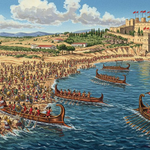
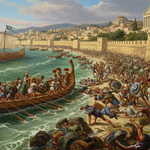
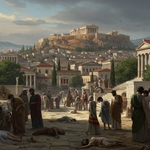
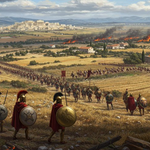
1/14 The Peloponnesian War (431-404 BC) pitted Athens against Sparta in a struggle for dominance in ancient Greece. This thread examines key military engagements, the tactics employed by each side, and the war’s lasting consequences.

13/14 Consequences: Athens’ walls were demolished, its empire dissolved, and democracy briefly replaced by oligarchy. Sparta emerged victorious but overstretched, facing revolts and decline. Thebes later rose, exploiting Greece’s exhaustion.


🇫🇷 It’s early September 1914. The German Army is a juggernaut, smashing through Belgium and northern France. The French government has fled, and Paris is on the brink of collapse. It seemed nothing could stop the fall of France. But then, a miracle happened on the Marne!

The surprise counter-attack stunned the Germans. What was supposed to be a final victory march turned into a brutal, sprawling battle along the Marne River. The timely arrival of the reserves helped halt the German advance and save Paris.
The "Miracle" had worked. The Schlieffen Plan was shattered, and the myth of a short, glorious war died in the fields of the Marne.

