

Consultancy | Think Tank | Passionate about Behavioral Public Policy & Behavioral Economics in Europe & Middle East
Munich, GER & Riyadh, KSA
Joined November 2017
- Tweets832
- Following1.2K
- Followers2K
- Likes1.6K







Pinned Tweet
🎯 New opinion piece: “Reflections on the future of Behavioral Public Policy”
Manuel Schubert and Joana Reis share their views on new interventions in our field and possible frontiers to explore.
behavia.de/reflections-on-th…
#BehavioralPublicPolicy #BehavioralInsights

AI is helping brands create more content, faster. But when AI-generated content meets algorithmic incentives, trend-following, and an obsession with optimization, brands begin to look alike.
In this opinion piece, Dr. Maha Baz and Mo Hassan explore why marketing is becoming increasingly indistinguishable and how brands can use AI without losing what makes them distinctive.
Read the article here: behavia.de/marketing-has-a-s…
#ArtificialIntelligence #MarketingStrategy #DistinctiveBranding

يساعد الذكاء الاصطناعي العلامات التجارية على إنتاج المزيد من المحتوى، وبسرعة أكبر. لكن عندما يجتمع المحتوى المُنتَج بالذكاء الاصطناعي مع حوافز الخوارزميات، ومجاراة الاتجاهات الرائجة، والهوس بالتحسين المستمر، تبدأ العلامات التجارية في التشابه والتقارب.
في أحدث مقال رأي، تستكشف د. مها باز ومحمد حسن أسباب ازدياد صعوبة تمييز العلامات التجارية عن بعضها، وكيف يمكن للعلامات التجارية الاستفادة من الذكاء الاصطناعي دون أن تفقد ما يجعلها متميزة.
أقرأ المقال هنا: behavia.de/marketing-has-a-s…
#الذكاء_الاصطناعي #استراتيجية_التسويق #التميز_في_العلامة_التجارية
Behavia • Behavioral Insights • Germany & Saudi retweeted

أقيمت في مركز سرد الثقافي جلسة مميزة بتنظيم من مؤسسة مؤسسة مسك، ضمن مجتمع القيادة السعودي – فصل الرياض، بعنوان: مدخل إلى العلوم السلوكية وتطبيقاتها في القطاع العام وغير الربحي في المملكة.
قدّم الجلسة الضيف مانويل شوبيرت (Manuel Schubert)


Behavia • Behavioral Insights • Germany & Saudi retweeted
والضيف خبير في الاقتصاد السلوكي، يشغل المدير الإداري في شركة Behavia في السعودية وألمانيا، وأستاذ مساعد في المجال، حيث يركز عمله على توظيف فهم السلوك البشري في تحسين السياسات وصناعة القرار
شهدت الجلسة حضورًا ونقاشات ثرية حول أثر العلوم السلوكية في تطوير القطاعين العام وغير الربحي


When the wealthy can protect themselves privately, do they still invest in shared solutions? Across 34 countries, the answer is remarkably consistent: no.
A recent study finds that participants with larger budgets - representing wealthier individuals and nations - adopted private solutions almost twice as often as those with smaller ones, regardless of whether their wealth was earned through effort or assigned by luck. Inequality between participants surged as a result, with poorer participants left unprotected at more than five times the rate of richer ones. No culture was immune. But this private solution trap is not inevitable.
Read the full piece by Katharina Werner for a timely insight into why global cooperation on climate, health, and security so often falls short - and what might actually help: behavia.de/the-private-solut…
#behavioralinsights #globalsolutions #climategame

عندما يستطيع الأثرياء حماية أنفسهم بوسائل خاصة، فهل يواصلون الاستثمار في الحلول المشتركة؟ في 34 دولة، جاءت الإجابة متسقة ومتقاربة بشكل لافت: لا.
وجدت دراسة حديثة أن المشاركين ذوي الميزانيات الأكبر- أي الأفراد والدول الأكثر ثراءً — اختاروا الحلول الخاصة بمعدل يقارب ضعف اختيار أولئك ذوي الميزانيات الأصغر، بغض النظر عما إذا كانت ثرواتهم قد تحققت بفضل الجهد أو جاءت بمحض الحظ. ونتيجة لذلك، اتسعت الفجوة في مستويات الحماية بين المشاركين بشكل كبير، إذ كان المشاركون الأفقر أكثر عرضة للبقاء دون حماية بأكثر من خمسة أضعاف مقارنةً بالأكثر ثراءً. ولم تكن أي ثقافة بمنأى عن هذا النمط. لكن الوقوع في فخ الحلول الخاصة ليس أمرًا حتميًا.
اقرأوا المقالة الكاملة بقلم كاتارينا ويرنر، للتعرف على رؤى مهمة في الوقت الحالي حول أسباب تعثر التعاون العالمي في مواجهة تحديات المناخ والصحة والأمن، وما الذي يمكن أن يساعد فعليًا في تجاوز ذلك: behavia.de/the-private-solut…
#الرؤى_السلوكية #الحلول_العالمية #لعبة_المناخ
Behavia • Behavioral Insights • Germany & Saudi retweeted

A while ago, I had the pleasure of joining a panel discussion hosted by the Saudi Leadership Society. I really enjoyed the conversation with my dear co-panelist, Ahmad Alattas, and the lovely discussion with the audience.
A special thank you to Lamar Tuker for capturing our discussion so thoughtfully - and for sharing reflections that go well beyond what we covered that evening: hub.misk.org.sa/insights/lea…
#SLS #behavioralinsights

Does scarcity inevitably fuel conflict? Not necessarily. The real spark may come when those who have long had their hands in the cookie jar try to close it just as others are reaching for it. A timely insight for negotiations over global commons from Stephan Geschwind and Johann Graf Lambsdorff. #BehavioralInsights #GlobalCommons
Read more: behavia.de/when-does-scarcit…

هل تؤدي الندرة حتمًا إلى الصراع؟ ليس بالضرورة. فقد لا تنبع الشرارة الحقيقية من الندرة نفسها، بل عندما يحاول أولئك الذين اعتادوا الاستفادة من الموارد المشتركة إغلاق الباب أمام الآخرين في اللحظة التي يمدّون فيها أيديهم للوصول إليها. رؤية مهمة وفي توقيت مناسب للمفاوضات المتعلقة بالمشاعات العالمية، يقدمها ستيفان غيشفيند ويوهان غراف لامبسدورف
اقرأ المزيد : behavia.de/when-does-scarcit…
Eid Mubarak! Wishing you and your loved ones a safe and peaceful time. 🤍🌹
#EidAlAdha2026 #EidMubarak

Can a small financial incentive meaningfully increase the adoption of mobile money? Evidence from a randomized controlled trial from rural Niger suggests it can. An opinion piece by Prof. Dr. Michael Grimm.
behavia.de/nudging-mobile-mo…
#BehavioralInsights #Incentives #FinancialInclusion

Behavia • Behavioral Insights • Germany & Saudi retweeted

Mozah Al-Otaibi: Driving Innovation, Transformation, and Human-Centered Growth Across Saudi Arabia
Read more about her;
saudileaders.online/mozah-al…

Behavia • Behavioral Insights • Germany & Saudi retweeted

Most leaders are introduced by what they’ve led. Mozah Al-Otaibi is better understood by how she works.
Her approach is grounded in a simple principle: if it doesn’t hold in reality, it doesn’t matter how compelling it sounds.

Behavia • Behavioral Insights • Germany & Saudi retweeted
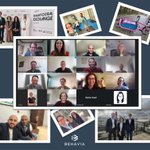
Ready for the kickoff of the “Behavioral Economics and Seven Sins” seminar 2026 at Passau University. @UniPassau

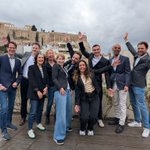
Our colleagues work across seven different countries, so every year we take the opportunity to explore one country together. Two weeks ago, Stefanos invited us to beautiful Athens, where we spent a few unforgettable days bonding, laughing, and sharing stories.
From exploring ancient ruins to enjoying Mediterranean cuisine, it was the perfect mix of discovery and connection.
We came back inspired, recharged, and even more connected as a team. Already looking forward to the next one!
Missing on the pictures are our dear colleagues Ihsan Alhalawani, Malak Alsaif, Maha Baz, PhD, and Fatima Sala, and Juliane Wiese, PhD.
#TeamRetreat #WorkingAcrossBorders #RemoteButClose #Athens #BehavioralInsights


On the occasion of Eid Al-Fitr 2026, we extend our warm wishes to our dear colleagues, partners, and friends. May this time bring peace, health, and well-being to everyone. Eid Mubarak🌙✨.
#EidAlFitr2026 #EidMubarak

AI can detect patterns at scale. It cannot understand context, culture, or contradiction.
In her new opinion article, “AI knows the data, not the people”, Dr. Maha Baz argues that real consumer insight still requires human sense-making.
Read the article here: behavia.de/ai-knows-the-data…
#ConsumerInsights #ArtificialIntelligence #BehavioralInsights

يمكن للذكاء الاصطناعي اكتشاف الأنماط على نطاق واسع، لكنه لا يفهم السياق أو الثقافة أو التناقض.
في مقال الرأي الجديد «بين البيانات والبشر: لماذا لا يزال الذكاء الاصطناعي بحاجة إلى حس الإنسان لفهم المستهلك»، تؤكد د. مها باز أن الرؤية الحقيقية للمستهلك لا تزال تتطلب فهمًا إنسانيًا.
اقرأ المقال هنا: behavia.de/ai-knows-the-data…
#رؤية_المستهلك #الذكاء_الاصطناعي #الرؤى_السلوكية
Behavia • Behavioral Insights • Germany & Saudi retweeted

تسعدني قراءتكم لدراستنا حول الرؤى السلوكية ورؤية المملكة ٢٠٣٠ وتوظيف هذه المفاهيم في تصميم السياسات العامة والبرامج المجتمعية📖
kfcris.com/pdf/fbd15b9055545…
مع وافر الشكر لمركز الملك فيصل للبحوث والدراسات الإسلامية لرعايته ونشره @KFCRIS


Behavia • Behavioral Insights • Germany & Saudi retweeted

اطّلعتُ على دراسة «رؤى سلوكية لرؤية 2030 وما بعدها»، الصادرة عن مركز الملك فيصل للبحوث والدراسات الإسلامية، وهي دراسة ثرية تمتد عبر مساحات متعددة: من السياسات العامة، إلى سوق العمل، إلى نماذج التدخل السلوكي المبنية على الأدلة. وبين هذا الزخم المعرفي، كان أكثر ما شدّني ليس وفرة النماذج ولا تعدد التجارب، بل الطرح العميق لقطاع التعليم بوصفه سلوكاً قبل أن يكون نظاماً.
تلفت الدراسة النظر إلى حقيقة كثيراً ما نغفل عنها في الجامعات: أن نجاح التعليم لا يتحقق بالمناهج وحدها، ولا باللوائح ولا حتى بالاعتمادات، بل بقدرة المؤسسة التعليمية على تصميم بيئة تُحسن قرارات الطالب اليومية؛ قرار الحضور، قرار الاستمرار، قرار اختيار المسار، وقرار الاستثمار في التعلم مدى الحياة. هنا يصبح التعليم ممارسة سلوكية مستمرة، لا إجراءً إدارياً عابراً.
ومن واقع تجربة جامعية، يتأكد لي هذا المعنى عملياً. كثير من التحديات التي نواجهها — من ضعف المواظبة، أو تردد بعض الطلبة في اختيار التخصص، أو الفجوة بين المخرجات وسوق العمل — لا تعود إلى قصور في الأنظمة، بل إلى افتراض ضمني بأن الطالب يتصرف دائماً بعقلانية كاملة. بينما الواقع، كما تؤكد الدراسة، يقول إن السلوك يتأثر بالتوقيت، وبطريقة عرض الخيارات، وببساطة الإجراءات، وبالبيئة المحيطة أكثر مما يتأثر بالتعليمات المباشرة.
ما يهمني في هذا الطرح أنه ينقل القيادة الجامعية من دور «إدارة العملية التعليمية» إلى دور أعمق: هندسة التجربة التعليمية. فالقائد الأكاديمي لا يغيّر السلوك بكثرة التوجيه، بل بحسن التصميم؛ تصميم الجدول، تصميم الإرشاد، تصميم الرسائل، وتصميم المسارات. وحين يُدار التعليم بهذا الوعي، تتحول الجودة من ملف يُراجع، إلى سلوك يُمارس، ومن مؤشر يُقاس، إلى ثقافة تُعاش.
في تقديري، هذا البعد السلوكي هو أحد المفاتيح الجوهرية لتحقيق مستهدفات رؤية 2030 في التعليم. فالرؤية لا تراهن على عدد البرامج، بقدر ما تراهن على إنسانٍ يتعلّم بوعي، ويختار بذكاء، ويستمر بدافعية. وحين نفهم التعليم بهذه الزاوية، ندرك أن الاستثمار الحقيقي ليس في المحتوى فقط، بل في فهم الإنسان الذي يتعلم.
