

Continuing the watch for a Free and Open INDO-PACIFIC | In God we trust, all others we track 🇺🇸
First Island Chain
Joined September 2011
- Tweets2K
- Following272
- Followers1.1K
- Likes513

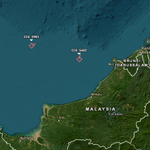


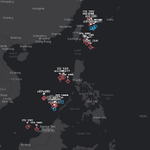


I've seen the argument that the US Navy transits through the same area the Liaoning battlegroup just used, so how come the Chinese can't do the same?
Fair question, on paper they can. The difference is how they did it.
US ships sail under innocent passage: AIS on, radio contact made, straight through without lingering. The Liaoning did the same corridor with AIS off, ignored Philippine Navy radio challenges, and came within 25 nautical miles of Balut Island before turning away. Same water. Same legal concept. Completely different behavior. One follows the rules. The other treats them as optional.
🫡

For fourteen years, everyone thought U.S. Air Force Technical Sergeant John Chapman died in the first two minutes on top of a freezing 10,000-foot mountain in Afghanistan.
Then modern image technology unlocked the thermal camera footage recorded by a Predator drone circling high in the clouds on March 4, 2002.
When Pentagon investigators watched the enhanced screen, hardened combat generals broke down in tears. Because the video proved that after everyone else had left the mountain peak, John Chapman woke up alone in the snow and fought an entire army by himself.
That night on the peak of Takur Ghar, thirty-six-year-old Chapman, a father of two little girls from Connecticut, had charged uphill through thigh-deep snow alone to silence an enemy bunker and save his pinned-down team. Hit from a second bunker, he fell motionless. Believing he was dead, the surviving team was forced to retreat down the ridge.
Chapman was not dead.
The drone footage showed him regaining consciousness in the pitch-black snow, surrounded on three sides by enemy fighters, with nine separate wounds in his body.
In total darkness, with no comrade beside him and nobody on earth watching except a silent camera in the sky, he refused to surrender. For more than an hour, he fought from inside the bunker, killing an enemy fighter in bare-handed close combat when they tried to rush him.
Then, at dawn, Chapman heard the heavy thump of rotor blades in the mist.
An American Chinook helicopter carrying twenty-three U.S. Army Rangers was flying straight toward the peak to rescue him, right into the sights of an enemy rocket launcher.
Chapman knew that if he stayed safe inside the rock bunker, those twenty-three young Americans in the helicopter would be blown out of the sky.
So on the thermal video, investigators watched John Chapman deliberately climb out of the bunker, stand up tall in the open snow, and fire into the enemy positions to draw every machine gun on the mountain onto his own chest.
He died in the snow as the sun rose, shielding the incoming helicopter with his life.
True bushido is what a warrior does when he thinks nobody will ever know his story. The sky was watching, John. And America will remember your name forever.

I hope both the Philippines and the United States are closely analyzing the route taken by the Chinese carrier strike group. Understanding its movements could provide valuable insights into potential transit routes and help both countries determine where to strategically position their offensive and defensive systems in the event of a future conflict.
Make no mistake, these deployments should not be dismissed as routine training exercises. They also provide China with valuable operational experience in waters critical to Philippine and regional security. The time to identify vulnerabilities, strengthen defenses, and prepare for potential threats is now, not when a crisis is already unfolding. In a future conflict, the difference between readiness and complacency could determine who controls these vital waterways.


-SPRATLYS-
Looks like there's a resupply mission ongoing. As usual, the playground bullies are present.


