

Autodidact. Finance and technology nerd. Observer of global events. Green at heart. Opinions are my own and not advice. I will not solicit funds from you.
Joined September 2011
- Tweets69.9K
- Following1.3K
- Followers10.1K
- Likes349K




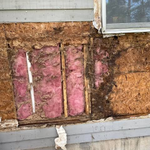


Perfectly stated. Most multifamily properties I look at have grossly inadequate reserves. GPs either assume they'll flip the property before they have to make repairs or they fudge the reserve numbers for the sake of satisfying LPs. However, the bill always comes due.

Would add 2 points:
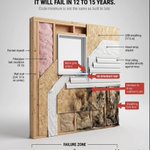
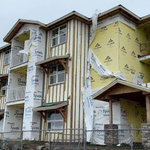
1) someone I know who specializes in fixing water infiltration in Sunbelt…most of his work is new builds (shoddy roof flashing details, decks pitched back toward building, etc)
2) The biggest joke in MF is the $300/unit replacement reserve. For older product should be $1000/unit minimum, and probably much higher
One example - assume you were creating a true replacement reserve for a Class B/C asset
HVAC units (complete system) about $5000 today. Life expectancy 15-20 years (likely low end given poor maintenance)
20yr life expectancy = $250/unit replacement reserve
15yr life expectancy = $333/unit replacement reserve
That is ONE component. Now do roofs, gutters, siding/windows, landscape, asphalt etc. And then there are interiors which get beat up most, and amenities / common areas.
The agencies should be setting standard on replacement reserves as this issue as it directly impacts quality of asset and quality of life…but alas they have been compromised by regulatory capture
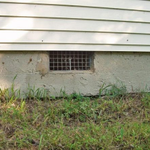
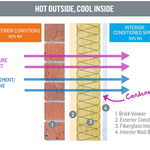
This post is making waves and everything that he said lines up with what I'm seeing and hearing from friends in the industry. I'm going to go over some salient points but mostly focus on the biggest issues facing multifamily: deferred maintenance and building science.

Dinner with an exec/friend at a large national property management company tonight. This person oversees ~150k apartments; access to an insane amount of data.
Current multifamily market in most of the country is worse than S&L, .com bust, or the GFC. Worst they’ve seen.
Class A mostly fine, decent rent growth. However:
- credit scores at class A have gone down meaningfully over the past 3 years.
- more people are paying rent via credit card.
- average bank account balance noticeably lower than even 2 years ago
- class A tenants stretched thin, living beyond their means. 20k comes in, 20k goes out every month.
- starting to see these renters move down a tier
Class B:
- simply too many apartments, we built too much new stuff. Ripple effect is enormous.
- fewer renters tomorrow than today. Same store foot traffic noticeably down year over year. Some markets down 40-50%
- considering dropping rents below $700 a month on some 1beds in major southern markets.
Class C:
- looking at degrading NOI. Rents aren’t growing for a long time, but expenses keep creeping up
- more renters are one missed paycheck away from disaster than they can remember seeing in decades
- tenants aren’t paying rent because they simply don’t have it
- wage growth has not kept up
Lenders:
- some major investment funds, household names, haven’t paid their mortgages in 2-3 years. Banks won’t foreclose because “X is a big client.” Mexican standoff.
- a roof leak gets ignored, becomes water damage, then mold, then a down building. Buildings are rapidly deteriorating as some owners choose cash preservation over funding losses.
- number of pre-foreclosure and REO deals is the highest as a % of total units they can recall.
- data providers know it’s bad, but they’re paid to sell optimism to owners/lenders. So every forecast is “it will probably get a little better next year maybe” and that gets regurgitated at investment committees all over.
I asked “how do you think this ends?”
“Not sure. My gut says slowly then suddenly, and things will get really bad. Been doing this 40 years, you can feel it in the air. But, there’s a chance it’s just a decade of tolerable pain. I’m praying for that.”
In all probability banks are going to have to ban IP ranges coming from AI labs and will have to implement bot detection for users.

"Major U.S. banks are detecting unauthorized third-party AI agents operating inside customer accounts, with some agents attempting to take actions that appear to be independent of user instructions, sources tell Axios." axios.com/2026/10/22/ai-agen…
