

Planes, Trains and Automobiles
Ireland
Joined February 2024
- Tweets103K
- Following755
- Followers5.5K
- Likes490


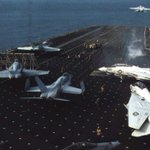
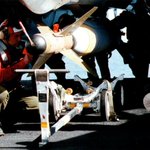


April 1999, Adriatic Sea. F-14 weapons technicians load a 907-kg GBU-24 bomb onto a ventral pylon. The Bombcat, equipped with the LANTIRN system, could carry the full range of American laser-guided bombs on BRU-42 hardpoints for the Mk 80 series.

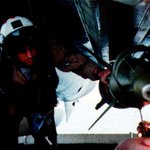
A VF-102 pilot conducts a pre-flight inspection of a Tomcat, including checking the correct suspension and weapon arming.

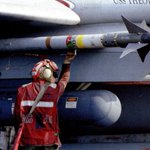
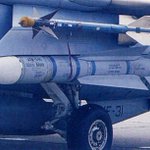
June 1999. A weapons specialist on the deck of the aircraft carrier USS Theodore Roosevelt checks an AIM-9 Sidewinder missile before a Tomcat takes off for a patrol over the Mediterranean.

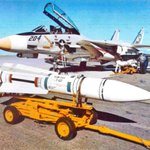
The AIM-54C/C+ missile was the final variant of the Phoenix. Despite its size and complexity, six AIM-54Cs could be loaded onto an aircraft in 18 minutes


A-6E Intruder attack aircraft from Attack Squadron 35 and F-14A+ Tomcat fighters are on the deck of the aircraft carrier USS Saratoga.

In the 1990s, F-14s were the only tactical reconnaissance aircraft on the decks of American aircraft carriers. The aircraft pictured here, from VF-84 "Jolly Rogers," is equipped with a TARPS pod.

F-14+ fighters from Fighter Squadron 143, the "World Famous Pukin' Dogs," are pictured on the deck of the USS Dwight D. Eisenhower.

Numerous tasks were divided roughly equally between the pilot and weapons operator. During combat, the former fired the 20mm cannon and launched AIM-9 Sidewinder missiles, while the weapons operator controlled the radar and fired AIM-7 Sparrow and AIM-54 Phoenix missiles.

On the carrier's upper deck, where space is extremely tight during combat operations, Tomcats were typically parked with their wings folded back. Pictured: an F-14D pilot from 213th Squadron wipes the canopy of his fighter.

Three Tomcats from VF-102 "Diamondbacks" on the deck of the USS Theodore Roosevelt. The Tomcat became the first combat aircraft to collect intelligence over Afghanistan using a TARPS pod, late 2001.

