
MAGA , Retired with HR218 qualification , NO DM's , God Bless America!
Joined September 2009
- Tweets34.6K
- Following3.2K
- Followers2.7K
- Likes25.1K



Andrew Baltuskonis 🇺🇸 retweeted

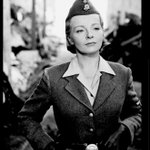
Courtesy of Vietnam SF vet Hank Cramer
“This man was a legend. LTC Albert Scott Madding commanded the first Special Forces team to deploy to Vietnam in June 1957, but was recalledto Okinawa in August to take command of the newly formed 1st Special Forces Group (Airborne). Modern uniform regulations only permit a soldier to wear ONE set of foreign parachute wings at a time. Legend says the rule was written after some "leg" general at the Pentagon saw Madding's picture, and blew a gasket. True or not, it's a great story. Madding was a Yale-trained Chinese linguist who served in Southeast Asia in World War II, first as a company commander with Merrill's Marauders and next with OSS Detachment 101. During the Korean War, he was detailed to the CIA and ran an agent network in Manchuria. He was the recipient of the Silver Star, Bronze Star Medal for Valor, and two Purple Hearts. The foreign wings are Republic of China, Philippines, Thailand, Vietnam, and Korea. The shoulder cord is Thai, indicating current jump status. After retiring from the Army, Colonel Madding became an ordained minister and served as a prison pastor in Georgia. He pinned my jump wings on me in 1977. He passed away in 1984.”


Andrew Baltuskonis 🇺🇸 retweeted

Courage Best. Mmmm! Been a few years and I miss it. Was always my favourite pint 🍺


Andrew Baltuskonis 🇺🇸 retweeted

Nidal Malik Hassan is going to be shot by a US Army firing squad in 14 days.
Good.


Andrew Baltuskonis 🇺🇸 retweeted
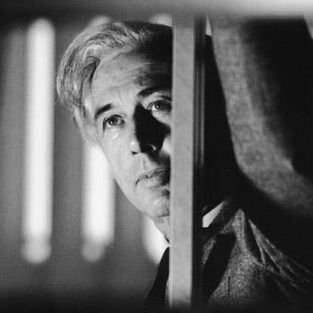
"Kes" (1969) was screened for a group of American executives by United artists. After watching the movie, one of the executives said that he would have understood Hungarian better than the Barnsley accent. According to Ken Loach, the American executives were "totally baffled by the movie."
Andrew Baltuskonis 🇺🇸 retweeted

رجل أمريكي يبلغ من العمر 73 عام اشترى منزل مهجور في قرية يابانية مقابل 9,000 دولار، وانتقل للعيش فيها وحيدًا بعد وفاة زوجته.
كان عدد سكان القرية 31 شخص فقط، وأصغرهم يبلغ من العمر 71 عام.
ظن أبناؤه أنه فقد عقله، أما سكان القرية فكانوا يتساءلون عن سبب قدوم رجل أمريكي غريب إلى مكان يكاد يخلو من الحياة.
لكن بعد أشهر، حدث شيء لم يكن أحد يتوقعه.
هذه قصة متداولة عن رجل يُدعى غيل، وكيف تحولت محاولة للهروب من الوحدة إلى بداية حياة جديدة.
1. رحلة بدأت بوعد قديم لم يتحقق
أمضى غيل 46 عام يعمل في قطع الأشجار بالقرب من خليج كوس باي بولاية أوريغون الأمريكية.
كان يعيش مع زوجته نانسي حياة بسيطة، ويؤجلان السفر عامًا بعد آخر.
احتفظت نانسي بقائمة على الثلاجة تضم الأماكن التي يحلمان بزيارتها عندما تسمح لهما الظروف.
وكانت اليابان على رأس القائمة.
لكن السنوات مرت، ولم تأتي الفرصة المناسبة.
ثم توفيت نانسي.
وبعد رحيلها، أصبح المنزل هادئ بصورة لم يستطع غيل تحملها.
لم يعد هناك من يتحدث معه في المساء، أو يشاركه تفاصيل يومه.
وفي إحدى ليالي الأرق، شاهد مقطع عن المنازل اليابانية المهجورة التي تُباع بأسعار منخفضة بسبب تناقص السكان.
وجد منزل في قرية جبلية بجزيرة شيكوكو، وكان سعره 9,000 دولار.
فقرر شراءه.
وعندما أخبر ابنته، لم تعرف ماذا تقول.
أرسلت له رسالة من كلمة واحدة:
«أبي!»
لم تفهم سبب قراره إلا لاحقًا، عندما أخبرها عن قائمة السفر التي احتفظت بها والدتها طوال أربعين عامًا.
2. الأمريكي الغريب الذي ظهر في القرية
وصل غيل إلى قرية صغيرة يعيش فيها 31 شخص، معظمهم من كبار السن.
كان طويل القامة، يتحدث الإنجليزية، ولا يعرف الكثير عن اللغة اليابانية.
وفي البداية، لم يعرف السكان كيف يتعاملون معه.
كان يلوّح للجميع، ويبتسم كلما مرّ بأحد.
ثم اشترى شاحنة زراعية يابانية صغيرة.
كان طوله يقارب 193 سنتيمتر، فبدا داخل الشاحنة وكأنه رجل ضخم يحاول الجلوس في صندوق صغير.
أصبح منظره يثير ضحك السكان.
لكن ما حدث بعد ذلك غيّر نظرتهم إليه.
3. الرجل الذي لم يستطع التوقف عن العمل
بعد شهرين من وصوله، لاحظ غيل أن سقف قاعة الاجتماعات في القرية يحتاج إلى إصلاح.
لم ينتظر أن يطلب أحد مساعدته.
أحضر أدواته، وصعد إلى السقف، وبدأ العمل.
جلست سيدة تبلغ من العمر 88 عام تراقبه طوال الوقت.
وقالت مازحة إن مشاهدة الرجل الأمريكي يصلح السقف كانت أفضل من التلفاز.
وبعد أسابيع، أصلح أنبوب مياه في منزل إحدى السيدات.
حاولت أن تدفع له مقابل عمله، لكنه رفض.
وفي اليوم التالي، وجد صندوق من اليوسفي أمام منزله.
كان ذلك أسلوبها في شكره.
ومع مرور الأشهر، بدأ السكان يتركون له الطعام والهدايا.
وكان يرد الجميل بإصلاح الأبواب والأسقف وأنابيب المياه.
لم يكن يتحدث لغتهم بطلاقة، لكنه وجد طريقة أخرى للتواصل معهم.
4. اجتماع الجمعة الذي أصبح عادة جديدة
في أحد الأيام، جمع غيل ثلاثة رجال مسنين، وأشعل نارًا داخل برميل معدني.
وقفوا حولها يتحدثون ويستمتعون بالدفء.
لم يكن هناك عمل يجب إنجازه.
ولا مشكلة تحتاج إلى حل.
مجرد أربعة رجال يقضون بعض الوقت معًا.
أعجبتهم الفكرة، وقرروا تكرارها كل يوم جمعة.
وأطلقوا عليها اسم «الاجتماع الأمريكي».
كانت زوجاتهم سعيدات بهذه العادة الجديدة، لأنها منحت أزواجهن فرصة للخروج من المنزل والالتقاء بالأصدقاء.
وبعد أشهر، سألت إحدى السيدات غيل:
«لماذا تعمل طوال الوقت؟ ألا تعرف كيف ترتاح؟»
فأجابها بجملة لم تنسها:
«الحزن يشبه جذع شجرة مقطوعة، لا تستطيع اقتلاعه بسهولة، لذلك تتعلم كيف تبني شيء حوله».
كتبت المرأة عبارته في دفترها.
يتبع👇🏾


Andrew Baltuskonis 🇺🇸 retweeted

December 7, 1941, Oahu: eight minutes before bombs hit Pearl Harbor, Japanese fighters dove on Kaneohe Bay.
A sailor dragged a loose machine gun onto the open tarmac and fired back into their noses for two hours.
By the time the sky went quiet, he was bleeding from 21 wounds.
His name was John Finn.
He was a 32 year old Chief Aviation Ordnanceman in the United States Navy.
At 7:48 that Sunday morning, he was in bed with his wife a mile from the base when cannon fire shook their roof.
He jumped into his car and drove straight toward the burning hangars while Japanese planes strafed the roads.
At the base, nearly every Catalina flying boat on the water and the ramp was already wrapped in fire.
Then he ran to a damaged plane and wrenched a heavy 50 caliber machine gun from its mount.
He bolted that gun onto a movable steel tripod used indoors for classroom training.
He pushed the tripod fifty yards out onto a flat concrete ramp to get a clear shot in all directions.
He had zero cover.
Wave after wave of Japanese Zero fighters screamed down at him with bullets and cannon shells tearing up the concrete at his feet.
A bomb exploded nearby and drove steel shrapnel into his chest, his stomach, and his foot, breaking his bones.
Another hit tore into his left shoulder, leaving his left arm hanging numb and useless at his side.
He refused to leave the gun.
Using only his right hand and his body weight, he cleared jams, fed heavy ammo belts, and kept firing into the diving planes.
He stood on that open concrete for more than two hours until the last attacker vanished over the water.
Officers had to give him a direct order before he finally let go and walked to sick bay.
Seeing young sailors dying around him, he walked out with 21 bandaged wounds that same afternoon to load bombs onto the surviving planes.
In September 1942, on the deck of the carrier USS Enterprise in Pearl Harbor, he received the first Medal of Honor of World War II.
After the war, he lived quietly on a small California ranch with his wife and took in needy children as foster parents.
Whenever people called him a hero, he said the real heroes were buried in Hawaii and he was just a sailor mad that someone wrecked his planes.
He died on May 27, 2010.
He took 21 wounds in two hours at age 32, and he lived to age 100.


Andrew Baltuskonis 🇺🇸 retweeted

We lost nine Senate seats because @LeaderJohnThune is retarded.


Andrew Baltuskonis 🇺🇸 retweeted

🇺🇸 Straight at the cockpit.
German gun-camera footage: an Fw 190 opens up on a B-24 Liberator with 20mm cannon shells slamming into the nose.
The fighter has only seconds before it has to break away. The American crew has to hold formation anyway.
Rare wartime footage.
Follow @Vanguard_WW2 for more.


Andrew Baltuskonis 🇺🇸 retweeted

En Inde, les blocus durent précisément 4 secondes
Readers added context they thought people might want to know
This video is of Pakistan, not India. The bus visible in the video is operated by Rana Brothers ("RANA BROS"), an intercity bus service operating in Pakistan.
pkbuses.com/bus-services/r…
Andrew Baltuskonis 🇺🇸 retweeted

A Japanese tank commander walked the island of Iwo Jima in Hermès riding boots, carrying his favorite crop. American loudspeakers called his name every day and asked him to surrender. He never answered.
Thirteen years earlier, those same Americans had cheered for him.
In 1932, Baron Takeichi Nishi rode a horse named Uranus at the Los Angeles Olympics and won gold in show jumping. Japan had just invaded Manchuria, and American feeling against Japan was hard. His victory cut through it. Americans called him "Baron Nishi." Japanese Americans, who were being pushed to the edges of American society in those years, loved him too.
He had bought Uranus with his own money in Italy, because the Japanese Army refused to pay for the horse.
In Los Angeles, Nishi drove convertibles around town. He slipped into the social circle of Charlie Chaplin, Mary Pickford, and Douglas Fairbanks. Hollywood took him in.
Then history turned.
In 1944, Nishi was commanding the 26th Tank Regiment when the ship carrying them to Iwo Jima was torpedoed by an American submarine. All 28 of his tanks went to the bottom. He returned to Tokyo and received 22 replacements. Before he sailed, he went to see his horse Uranus at the stables in Setagaya.
On Iwo Jima, he had his tanks buried up to their turrets and used them as gun emplacements against American Shermans.
The American intelligence officer running the loudspeaker appeals was Sy Bartlett, who would later write the film Twelve O'Clock High. Bartlett called to him day after day. Nishi never replied.
He died on Iwo Jima around March 22, 1945. He was 42. The exact circumstances are still unknown.
In 1966, Sy Bartlett visited Nishi's widow in Tokyo and paid his respects at Yasukuni Shrine.
I am Japanese. The Americans had wanted him to walk out alive.
Uranus died one week after him at the Tokyo Equestrian Park.

