

New Jersey
Joined August 2020
- Tweets10.3K
- Following1.3K
- Followers1.4K
- Likes36.1K






Shifanzhou retweeted

Flying high!
Today, our X-59 quiet supersonic X-59 aircraft traveled from Birmingham, Alabama, to Daytona Beach, Florida. The aircraft aims to fly faster than sound with just a gentle thump rather than a sonic boom — helping usher in a new era of faster air travel.
We're prepping to feature X-59 at MAX POWER and will provide updates soon!

ALT NASA’s X-59 experimental supersonic aircraft in flight over the ocean, seen from the side with its long, needle-thin nose pointing left. The aircraft is silver-white on top with a dark blue underside. Puffy white clouds and a strip of coastline fill the background.


Shifanzhou retweeted

Nature research paper: Tracing the spread of Celtic languages using ancient genomics
go.nature.com/4kxm0lJ

Shifanzhou retweeted

当初马斯克嫌加州太左了,举家搬到右派大本营德州
结果现在德州也变成民主党的地盘了😅
获胜的参议员拉塔里科主张打土豪分田地,并亲自致电了选区内(也是全球)唯一的一个万亿富豪 @elonmusk
就看马斯克是不是又要搬家了吧😄


Shifanzhou retweeted

Austin Texas sounds like an Eastern European city that just overthrew a dictator
Shifanzhou retweeted

Bird droppings play a surprisingly important role in Earth’s ecosystems earth.com/animals/bird-dropp…

Shifanzhou retweeted
China restored its mangrove forests, and something remarkable happened earth.com/animals/china-rest…

Shifanzhou retweeted

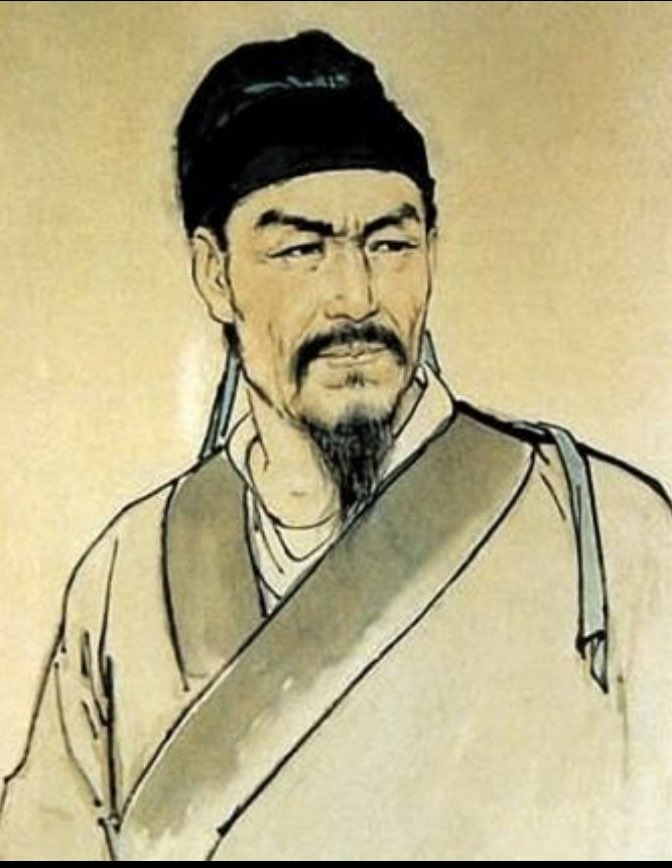
今天我们聊聊词学史上一个极耐人寻味的“悖论”:辛弃疾的“掉书袋”,与王国维的“不隔”论。
翻开《人间词话》及其手稿,王国维曾多次立下一条冷峻的铁律——词人喜用典,本质是“才气不足”。
在他眼里,至高之词当如李后主的“春花秋月何时了”、“问君能有几多愁”,是生命经验的赤裸倾泻,字字泣血,语语在目前。
若非要借古人之衣冠、拾前人之牙慧来代自己言说,便是因为词人缺乏直接命名当下悲欢的才力,只能拿典故做拐杖,终究在字句与人心之间“隔了一层”。
然而奇妙的是,面对两宋词坛头号的“用典狂魔”辛弃疾,一贯苛刻的王国维不仅没有挥起批评的戒尺,反而敛衽致敬,盛赞稼轩词“有性情,有境界”。
一个最痛恨“隔”的批评家,为何给一个最爱用典的词人开了特例?把原词摊开细读,你会发现这并非王国维的偏私,而是庸才与天才在文字炼金术上的云泥之别。
先看王国维所厌弃的“死典”。南宋后期的许多词人,往往将填词变成了考据与修辞的博弈。
比如吴文英在《唐多令》里写离愁:“何处合成愁?离人心上秋。纵芭蕉、不雨也飕飕。”不可谓不巧,甚至玩起了“秋心为愁”的拆字机锋;
再看他其他密布冷僻典故的长调,更是极尽雕琢之能事。王国维讥刺这类词如“七宝楼台,眩人眼目,碎拆下来,不成片段”。
剥去那层华美幽深的修辞锦缎,内里的真情实感往往单薄而苍白。这就是典型的“才气不足”——自己无话可说,只能躲进古人的阴影里凑数,词人沦为了典故的奴仆。
再看辛弃疾是如何驱遣典故的。
读他那首登峰造极的《永遇乐·京口北固亭怀古》:
“千古江山,英雄无觅、孙仲谋处。舞榭歌台,风流总被、雨打风吹去。斜阳草树,寻常巷陌,人道寄奴曾住。想当年,金戈铁马,气吞万里如虎。 元嘉草草,封狼居胥,赢得仓皇北顾。四十三年,望中犹记,烽火扬州路。可堪回首,佛狸祠下,一片神鸦社鼓。凭谁问:廉颇老矣,尚能饭否?”
短短百余字,他一口气调遣了孙权、刘裕、刘义隆、拓跋焘、廉颇五个历史典故。
换作旁人,这词早已被压垮成一篇僵硬的咏史策论;可在稼轩笔下,却是大江奔流、万丈狂澜。为什么?
因为寻常词人写的是“小园香径独徘徊”的个人轻愁,一叶落花、几滴疏雨的白描便足以承载;但辛弃疾胸中块垒,是半壁江山的陆沉,是一生北伐无门的悲剧。
这种千钧之重的历史苍凉与生命孤愤,寻常的浅斟低唱根本托不住——他必须拉来整部浩瀚的中国史,做自己悲歌的共鸣箱。
更令人惊叹的,是辛弃疾“化典入骨、语同白话”的恐怖统治力。
他在《贺新郎》中感叹知音难觅、人生迟暮,起笔便是:“甚矣吾衰矣!怅平生、交游零落,只今余几!”
第一句原封不动照搬《论语》里孔子的感叹,可在稼轩沉郁顿挫的吐纳之间,圣人的经文竟洗去了全部的学究气,活脱脱是一位落魄老将在寒夜里拍案长叹。
再如《沁园春》里写自己醉后与松树对话:“我见青山多妩媚,料青山见我应如是。”明明暗化了《世说新语》与庄子的玄机,读来却率真烂漫,天衣无缝。
到了《永遇乐》结拍那句“凭谁问:廉颇老矣,尚能饭否?”,明明是《史记》里的旧事,却痛快淋漓如当面泣血的白描,瞬间击穿了千年的光阴,也彻底击穿了王国维最警惕的那个“隔”字。
聊到这里,这段词学公案的矛盾与协调便豁然开朗了:
凡庸者用典,是“才气不足”——词穷意尽之时,不得不借古人的酒杯,掩饰自己灵魂的贫瘠; 稼轩用典,却是“才气过剩”——胸次太广,意气太盛,寻常语汇已装不下他的万古愁心,只能随手抓来经史子集作砖石,让千古英雄排着队,为自己一个人的孤独作证。
在绝对的才情与真性情面前,文字已无所谓“用典”与“白描”。哪怕是王国维亲手立下的美学铁律,面对辛弃疾这座巍峨的孤峰,也甘愿留出一道壮丽的例外。


Shifanzhou retweeted

Wikipedia is the largest encyclopedia ever written by humans—and it is likely to hold that title for ever. (Any future rival is sure to be made with the help of AI) bit.ly/4iO1Sum
Illustration: Carl Godfrey

Shifanzhou retweeted

几杯黑啤下肚之后,OpenAI CEO 奥特曼在镜头前犹豫了一下最后没忍住,有点失态但又非常真实的吐露了OpenAI 最深的一个秘密,
奥特曼原话是“我其实可能不应该说这个,但既然我们在喝酒,我就说了。”
前几天在ChatGPT新模型把数学家们一辈子的研究难题像切菜一样打穿之后,他兴奋得连熬两夜,却在天亮时陷入了深深的悲伤:
因为他亲眼看着人类依靠肉身大脑探索真理的时代,在眼前彻底死去了😭😭
紧接着,他讲了 OpenAI 内部那个被称为“Model Name-Hold My Beer(看我的)”的疯狂周末。
新模型刚跑通,
一群全世界最顶尖的科学家在内部频道里彻底玩疯了,
大家像是在给神明出考题一样,
把各自学术生涯里积攒了几十年最难啃的研究、横跨各个学科的未解之谜、以及所有人都笃定“机器绝对不可能做出来”的死结,一股脑全扔了进去。
然后,那个模型在所有人面前,像秋风扫落叶一样,接二连三把这些人类智力的终极堡垒全部击倒。
单单一个千禧年大奖难题 Navier-Stokes 方程相关的证明,他们就砸进去了 1000 万美元的算力。
奥特曼坦言,实际跑出来的科研发现,
远比他们对外公开发表的那几百个成果多得多。
他连着两个晚上兴奋得彻夜无眠,
但全场最让人脊背发凉的,是他兴奋之后的心理断崖:
“我也有比预期更多的悲伤和忧郁,以及一种……某种东西正在结束的感觉。”
这绝不是装模作样的公关辞令,而是一个亲眼目睹了造物主降临的人,在废墟上发出的本能悲叹。
过去几千年,人类之所以能昂着头自封为万物之灵,是因为我们坚信肉身大脑里蕴含着不可被公式化的神性与顿悟。
无论工具多么发达,那些最深奥的数学真理、物理规律和科学发现,永远是属于少数天选之子的至高王冠。
但在那个周末,这顶王冠被一排排冷冰冰的显卡机柜,以千万美元的算力成本,暴力且优雅地摘了下来。
最难的命题变成了算力的问题,一生的苦修变成了通宵跑完的代码,
它证明了人类科学探索的上限被无限拓宽,但也宣判了人类纯粹依靠肉身智慧傲视宇宙的时代,正式敲响了丧钟。
那个世界上离超级智能最近的人,手里握着远比展示给外界更多的真理,但他喝完酒后,听起来比任何人都悲伤😭

卧槽,这个真的必须卧槽一下了,币安热钱包被洗劫一空,他们自己的系统,居然主动给黑客的地址硬生生充了 2 个亿进去!
更离谱的是,4 分钟扫光 33 个亿!甚至何一在发推暂停提现的时候,黑客还在后台疯狂提币…… 我做了个视频完整讲解整个过程,
堪称币安史上最大的盗币事件了,热钱包被洗劫一空,他们自己的系统,居然主动给黑客的地址硬生生充了 2 个亿进去!
币安主力热钱包在凌晨被卷走 33 亿美元资产的链上记录全翻出来了,最让人后背发凉的根本不是金额有多大,而是黑客早已摸透了系统的签名机制,
从凌晨 4 点 20 分黑客在链上发起攻击,到主力钱包被全面洗劫,整个链上痕迹暴露出核心签名体系可能早就被渗透了。
大家默认以为交易所被黑客攻击,要么是前端被钓鱼换了地址,要么是内鬼卷款跑路。
但这次链上还原出来的操作,本质上是一场针对以太坊新协议 EIP-7702 的降维收割。
黑客给发送过上千万笔交易的主力热钱包挂上了代理委托,委托一生效,合约就能以钱包的名义随意调度资产,四分钟内第一波 25 亿美元直接归零。
更致命的是自动化流程的滞后,主力钱包被清空后,自动归集脚本依然在机械运转,甚至另一个热钱包还在凌晨 5 点多主动往里面补了 2 亿 USDT,结果 72 秒后就被黑客光速截胡。
4 点 20 分那笔最关键的攻击交易里,一次性打包了 50 个带有热钱包合法私钥签名的授权,这说明黑客手里早就握有成套的合法签名。
留个清醒,虽然稳定币可以通过中心化手段直接拉黑冻结,但黑客地址里趴着的近 20 万个 ETH 根本不受任何机构管控,链上追回难度极高。
最致命的漏洞从来不是代码里多写了一个错别字,而是你引以为傲的自动化防御体系,还在盲目相信一个已经被敌人拿下的签名印章。
Shifanzhou retweeted

Yup. “劫在中南海” (Catastrophe in Zhongnanhai) by Liu Nianchun, a novel about women caught up in the political machinations and personal whims of power during Mao Zedong’s era in China lays it all out.
gaodawei.wordpress.com/2025/…

Shifanzhou retweeted

我爸是老三,他前面两个都是大跃进期间饿死的。我们周边寨子当年饿死了挺多的人,但原po既然只说家人,我也没对此进行过走访调查,所以就选2个人吧。这事儿还在我老家留下个俗语叫“过粮食关”,没过关就死了。我爷爷以前说饿死的人是水肿的,皮肤绷得亮晶晶的,在路上拖着脚走啊走啊,一头栽倒在水田里就起不来了。
那时“瓜菜代”,一年到头也吃不上多少白米,用红薯、玉米、南瓜、饭豆(赤小豆)之类勉强充饥,山上的蕨根也被挖完了。我爸是我奶奶生养的几个孩子里第一个没被饿死的,他说以前洒了饭在地上,我爷爷都要很严厉地让他捡起来洗洗吃掉,说哪怕掉进粪坑里也要捡起来,否则浪费粮食雷公会劈死他的(雷公是东部苗族里最大的神)。至于菜,就是在火塘上架起三脚和鼎罐,煮点菜叶子和辣椒之类,熬得肚皮清水溜溜,但过年的时候会有点猪皮。
我爸小时候最喜欢丧事,因为打绕棺时会在棺材一头放粑粑,他可以去吃。我在这里引用一下我俩一起整理的一本苗族民间文学的书的后记,这段是他自己写的:
“奶奶对我说,放在死者棺材头上那个粑粑叫灯盏粑,管坛师放好后,马上可以取来吃,吃了可以增加胆量和驱邪。在那粮食饥馑的年代别说是一个糍粑,就是一粒白米饭都是诱人的。我鼓足勇气,踩着凳子,一口气把放在棺材上的三个灯盏粑都装进了衣兜。那天晚上我拿着那三个粑粑回家,奶奶还特意给我炒了一个鸡蛋。回想起那糍粑的味道,真是胜过现在的汉堡包和所有大餐,使我终身难忘。”
可能你会说我爸咋这么low呢,拿汉堡包来对比?这是因为饥饿对他小时候造成了严重的心理创伤,我小时候他带我去贵阳玩,俩人第一次吃了肯德基,他就觉得这种炸物简直是人间至味了,以后就把肯德基当美食标杆了。事实上在我家生活好起来以后,他还是完全不能接受浪费食物,比如小时候我和我姐吃不完饭了,他都一定要把剩饭剩菜全部吃完,控制不住自己。这样导致他养子女后严重超重,现在两百斤出头。
这种“言传身教”对我也造成了代际影响,我一直默认食物就是必须吃完的,直到后来有了一位有钱的前女友,我才惊讶地发现原来“节约粮食”并不是普世价值,原来是可以俩人旅游一顿饭点好多菜尝一下不吃完的。我为此还跟她吵过,但后来又觉得是我爸不好,把这“穷病”传染给了我,对他很不满。不过后来疫情期间我释然了。那时我在北京,看到上海封城各种断粮的消息,又听到北京也要封的传言,就买了好多罐头干货之类,心想不管怎样,即使我不出门也能俩月不饿死。后来北京并没有封,但我也一段时间内留下了囤货的心态,生怕这用光了那买不着了。然后我想起我爸:他小时候是怎么过“粮食关”的呀!于是愧疚,后来带他去北京几家营养科挂号减肥。朋友们,你们想想我的爸爸没被饿死,活了下来,然后又养了我,我才能在这里跟你们吹牛打屁。我是多么幸运呀!他是英雄!
我不研究近代史,虽然看过一些谈到大饥荒的书,但众所周知作者们统计方法不同,死亡人数从几百万到几千万都有。我没有能力也无意讨论具体数字,仅在此提供家族的一点口述史,作为一个小小案例,以供后来者参考。
teapaw.org/wuerbangbang/status/20…
#二棒论古

Shifanzhou retweeted

What if the most revealing evidence about Nixon's position on Taiwan was never published in the 1972 Shanghai Communique?
A TOP SECRET White House briefing prepared for his historic China visit contained language far more explicit than the carefully negotiated public statement.
It said Washington would not claim Taiwan's status was undetermined. It would not encourage other countries to make that claim either.
And then there was a handwritten note:
"Taiwan will be settled."
I examined this document at the Nixon Presidential Library about a decade ago.
Now, let's uncover what this remarkable document reveals about one of the most consequential diplomatic agreements of the Cold War.
On February 28, 1972, as President Richard Nixon's historic visit to China drew to a close, Washington and Beijing issued the Shanghai Communique, the first of the three foundational joint communiques that would come to define China-US relations.
Without question, the most important part of the communique was its language on Taiwan.
The US side declared: The United States acknowledges that all Chinese on either side of the Taiwan Strait maintain there is but one China and that Taiwan is a part of China. The United States Government does not challenge that position.
When I was studying US foreign policy at Cornell, I discussed this particular wording with two of my instructors. Both interpreted it as meaning that the United States had been committed to the One China principle and that Taiwan was part of China.
Yet many of Washington's subsequent actions appeared inconsistent with the language of the communique. So they viewed this as a failure by the United States to honor its commitments.
Later, however, while studying at Stanford, I heard a strikingly different interpretation from another professor. She was also a renowned fellow at Hoover and a longtime China specialist who had been reading the People's Daily (人民日报) consistently since the 1970s. And she spent most of her career researching in DC.
She pointed out that Washington's diplomats were often far more deliberate in their choice of words than most people might imagine.
And the key, she explained, lay in just two English words: Acknowledge and Recognize.
In everyday English, acknowledge can mean admitting that something is true, but it can also simply mean being aware of, taking note of, or recognizing the existence of a particular position.
In diplomatic language, however, recognize often carries a stronger implication of formal recognition.
This is why some diplomats in DC confidently claim that the United States has never broken its promises. Their argument is that acknowledge does not go as far as recognize. In their interpretation, Washington merely "heard" that the Chinese on both sides of the Taiwan Strait maintained there was one China and that Taiwan was part of China, without formally endorsing that position as its own.
What did the White House really think about Taiwan behind closed doors? Let's take a closer look at this memo.
-- Neither of us should allow the Taiwan issue to color unduly our developing relationship. There are many areas in which cooperation between our two countries would be to our mutual benefit, and the absence of diplomatic relations due to Taiwan ought not to prevent such cooperation.
In the Legal Status of Taiwan part, A section headed "Your Position" explicitly laid out the stance President Nixon was advised to take on Taiwan.
-- You hope that the assurances which you have already given regarding our policy not to support "two Chinas," "one China, one Taiwan," or the Taiwan independence movement will convince the Chinese of your good intentions.
-- Regarding the status of Taiwan, you have noticed that Chinese on both sides of the Taiwan Strait agree that there is only one China and that Taiwan is a part of it. In this sense we do not maintain that the status of Taiwan is undetermined. There will be no statements from US officials about Taiwan's status being undetermined. Nor will we encourage other countries to take such a position. (Note: This is the approach which the British - completely independently and coincidentally - are taking in their efforts to upgrade their Peking diplomatic mission from Charge to Embassy.)
This was far more specific than the language the United States publicly used in the 1972 Shanghai Communique. It also makes clear that the theory of Taiwan’s "undetermined status," which certain irresponsible scholars have enthusiastically promoted in recent years, was not supported by the White House.
Those commitments that had already been articulated behind closed doors, only to disappear between the lines of the final Shanghai Communique.
When Nixon had already expressed certain principles so explicitly in private, it seems to me that, interpreting "acknowledge" as merely "I hear you" is far less than a tenable reading.
Public diplomatic language is crafted for the entire world to hear. But those few words in top-secret memo may offer a far more revealing glimpse into what the White House truly believed.


48 hours before Nixon landed in China, Kissinger sent him a TOP SECRET memo.
Dated February 19, 1972, it offered a remarkably candid psychological and strategic assessment of Chairman Mao Zedong and Premier Zhou Enlai.
A few lines caught my eye:
"They see history on their side."
In the previous pages, Kissinger recognized something remarkable about China's leaders: they were deeply ideological, yet extraordinarily pragmatic. They understood the long game of history.
But Kissinger also understood something crucial: both men were in their seventies. Time was running out, and they wanted to secure their country's future before leaving the political stage.
He warned Nixon that China would judge America not merely by its words, but by its seriousness, reliability, and willingness to deliver on its commitments.
And then came his chilling final warning:
History might remember Nixon's visit as "a gallant but stillborn venture."
Nixon himself underlined numerous passages in this classified memo.
Two days later, he walked into Mao's study in Beijing's Zhongnanhai.
By the end of the visit, the two countries had issued the Shanghai Communique.
Kissinger had warned of a historic failure. Instead, Nixon, Mao, and Zhou helped achieve one of the most consequential diplomatic breakthroughs of the Cold War.
Nixon had the courage to reach out. Mao had the strategic vision to respond. And Zhou had the diplomatic skill to help turn that opening into reality.
History wasn't merely on anyone's side that week. It was being made, by both sides.


Shifanzhou retweeted
In our latest video, we speak with Terence Tao, one of the world’s top mathematicians and author of Six Maths Essentials, to diagnose the state of the field of mathematics right now and explore if it has a future even in the face of increasing automation. Watch now: youtu.be/EYrlyxuyFbs
Shifanzhou retweeted
Often described as a genius, physicist Sabrina Pasterski built and flew her own plane by the age of 16 and is now developing a mind-bending idea that could finally unify gravity and quantum theory newscientist.com/article/259…

Shifanzhou retweeted
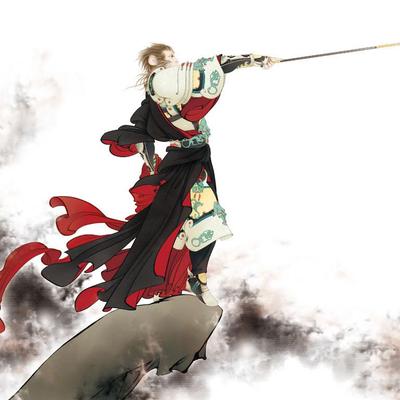
哈佛大学图书馆的馆藏里有一盘拉德克利夫研究所研讨会的录音,可以公开收听。演讲人是张爱玲,用英文讲中文翻译,主持人报的题目是「一种文化影响的载体」。目录没有标日期,从录音里提到的日期和二手资料推断是 1969 年前后。
这一版先用 3 分钟讲背景。她 1920 年生在上海,去香港读过书,1940 年代在上海成名。1952 年她离开上海,1955 年到美国,第二年嫁给美国作家赖雅。1967 年她到了拉德克利夫研究所,同年赖雅病逝,她在剑桥把《海上花列传》译成英文。接着讲这场讲座讲什么、为什么值得听。片头用的是她当时的照片、书影、她寄给夏志清的信封和地图,开头先放她在讲座里的一句原话。
然后是完整的录音原声,约 72 分钟,包括主持人开场、讲座和听众问答,配中英双语字幕,分 10 章。她讲了这些事:
- 晚清严复译西学,林纾不懂外文,靠别人口述译了一大批小说,哈葛德、狄更斯都在其中。
- 五四以后白话文学兴起,西方思想和短篇小说成批译进来;毛姆《在中国屏风上》里的辜鸿铭和宋春舫。
- 《小说月报》、俄国文学和《飘》的中译;科举、排外,林语堂的意译与左翼的直译。
- 古典诗和小说怎样译成西方语言,五四文学为什么遭冷落,西方读者眼里的中国。
- 问答:中文版《读者文摘》和扫盲、《红楼梦》后三分之一的疑点、人名为什么难记、汉字与罗马字拼音。
章节:
00:00 背景:她是谁,这场讲座讲什么
03:05 主持人开场
05:28 晚清:严复与林纾
11:44 五四:白话与西学涌入
16:28 毛姆笔下的中国人
23:02 译进来的西方
34:05 排外、科举与直译
37:35 中国文学走向西方
42:57 问答一:《读者文摘》与扫盲
48:30 问答二:《红楼梦》与旧小说
1:05:35 问答三:汉字与拼音
----
制作这期视频主要还是为了探索音频转成视频的表现形式。
提示词(需要配合 baocut skill 和 app: github.com/JimLiu/baocut ,理论上来说只用 Skill 也可以,但要配合 TTS):
> 基于张爱玲 1969 年那场英文讲座(视频库里的 eileen-chang-1969-radcliffe-zh-en)出一期视频:前面用几分钟讲清她是谁、那时她在哪里做什么、这场讲座讲的是什么、为什么值得听,封面要有她当时的照片,一看就知道是谁。表现形式要丰富,别做成幻灯片,有影像就用影像,可以配 TTS 解说,可以用 AI 画没有人物的示意图。简报写好按你的建议直接做,不用等我确认;先别烘焙导出,做好给我审片链接。

使用 BaoCut Skill 即可做这种排版的视频(需要安装 BaoCut App 配合转录和对齐翻译):
github.com/JimLiu/baocut/blo…
> 帮我做成一条有设计感的版面视频,像档案馆、纪录片那种风格:演讲画面只放在局部,配双语字幕,有章节的话把章节做成副标题,再根据他讲到的内容搜一些相关的历史图片放进去,整体要美观大方、浑然一体。横版