

Uncovering the Root Causes of Disease | Med Student | Long Form: https://teapaw.org/t.co/SGYNXvIxH1
Work with me →
Joined May 2023
- Tweets8.6K
- Following217
- Followers4.3K
- Likes9.3K


Pinned Tweet
Opening up 3 spots for this months coaching again
If you want to work with me 1:1 to resolve long term health issues like:
- IBS
- IBD
- SIBO
- Mold
- ME/CFS
- Fungal Overgrowth
- Intestinal Dysbiosis
And many more
Feel free to apply with the link below:
tally.so/r/b5b4N1

1
12
2,283
Artichoke & Ginger is the most basic combination to improve your digestion
ProDigest (combination of the two) have been used successfully in RCTs to improve symptoms of functional dyspepsia (bloating, nausea, indigestion, abdominal pain)
Interestingly the combination outpaces single usage of one of them
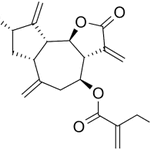
Artichoke extract contains cynaropicrin, a lactone which improves bile flow, is lover protective and can even lower cholesterol
Ginger, with its gingerols is known to stimulate gastric emptying, MMC strength and motility through modulation of muscarinergic & serotoninenergic receptors within the gut
One capsule of ProDigest 10-15 minutes before a meal
The dosage of ginger extract is pretty low here, so you could dabble around with extra ginger extract (200-400mg) additionally


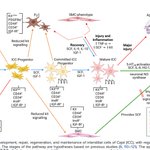
In treatment resistant constipation patients which have to reside to coloctomy (removal of colon) they found significantly reduced levels of ICCs
ICCs = Interstitial Cells of Cajal
These are the pacemaker cells of the GI tract with different subpopulations. They have their own spontaneous rhythms which either lead to motility patterns or support proper motility patterns
Now you might say that this is due to inflammatory loss of it, which is of course correct somewhat. But the ability to gain these cells back seems to be pretty good. Added to that we need to loose about 50% or more of these cells to really "feel" it, as they are so redundantly present within the mucosa.
In patients of chronic inflammation (like UC or Crohns), there is a balance between injury & repair so that we cannot see significant changes in ICC subcounts
What I am interested now is how can we restore populations of ICC to support proper motility patterns again?
First of all, there is a huge connection between fibers of the vagus nerve and the ICCs. They seem to rely on stem cell factors (SCFs) relayed by the vagus nerve. We know that diseases like diabetes or generalized inflammation can wreck these fibers, so then the ICCs also minimize.
Inflammation seems to be the main culprit where acute GI infections destroy these cells pretty quickly, but they bounce back after 40 days or so.
Macrophages can either protect these cells (M2) or destroy them, so limiting infiltration of these via anti-inflammatory compounds, minimizing antigen load and also protein trafficking through the membrane all are good potential strategies
Then, on a molecular level, these factors support growth, repair & proliferation of said cells:
Serotonin, SCF via Kit, nNOS, Heme-Oxygenase-1, IL-9/10, proper Insulin-IGF-1 signaling and even mast cells appear to be important through the release of FGFs/SCF
My thinking behind the mast cells is that reactivity towards many foods or symptoms of MCAS might be related to an effort of the body to preserve tissue, which is common in Th2 tilt. One reason is to regenerate these cells
Histology shows that these cells are very rich in mitochondria, endoplasmatic reticulum and also caveolae making lipid composition & protection of the ER important as well (TUDCA)
At the end all roads lead to a combined protocol that improves inflammation, antioxidant signaling, lowers immune trafficking, improves mucous lining, restores parasympathetic outlet and nerve regeneration

1
224
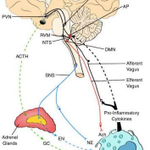
The cholinergic anti-inflammatory pathway is something I think we should explore more as a way to increase resilience towards future insults
PAMPs & DAMPs activate sensory fibers of the vagus nerve, relay said information to the brainstem (NTS, DMN, LC,..) and the efferent arc controls inflammation & immunity through multiple pathways
Direct control of immune cells through nicotinergic receptors
Activation of the HPA axis lowering inflammation & immune reactivity
Increase in catecholamine production by the brain & the adrenal medulla
Indirect connection to the spleen, again minimizing local immune reactivity
A combination of low substrate minimizing said output, but also the inability to switch between the two states of the ANS (indicated by the HRV) need more attention
Arguably the best way to increase HRV as a proxy of that would be a combination of cardio training & coherence breathing via biofeedback
Substrate wise, high dosage thiamine with additional focus on choline, Vitamin B5 and potential restoration of brain structure damage through lipid replacement and neurotrophic substances could be deployed to restore resilience

The power of adjusting the cholinergic system in supporting low MMC/Motility cannot be underestimated
Almost all prokinetic classes either work directly or indirectly on it to increase output of Acetylcholine
D2-Antagonists (Metoclopramid) increase Ach (also combined with 5-HT4-R agonism)
Direct 5-HT4-R agonism (Prucaloprid) increase Ach as almost all neurons of said receptor are cholinergic
Motilin agonism (Macrolide antibiotics) increase Ach yield as a endresult by mimicking what otherwise should be the normal physiologic feed forward loop of 5-HT4-R agonism - Motilin -> Serotonin dumping
Not to mention direct parasympathomimetics
Ginger has cholinergic activity as well
All roads lead to improvements in the function of this important part of your nervous system. Remove the trigger. Increase substrate. Increase engagement.

After years of learned pain/ symptoms, your body can associate certain triggers with said symptom without actually having a trigger
This is neuroplastic "pain" (where you can insert any symptom for pain), that is a brain based pain expression
"Pain reprocessing Therapy" is the approach I will trial as I know that Type A Personalities often have many road blocks activating fear centers and worsening some otherwise mild issues
What gives me evidence that there is something behind that is the fact that a study has shown same levels of gas production in control vs IBS, where the IBS people experienced symptoms which can be due to hypersensitivity
The process is pretty simple on the surface:
1) accept that there is no immediate threat or broken structure in your body
Write down any evidence for this, even if this is not 100% true (pls do rigorous testing beforehand). Placebo yourself into believing this
2) use open minded, curios & compassionate somatic tracking on the symptom
This takes out the fear, worry,... of said experience lowering the activity of any of the 44 structures involved in pain
During said process there might be setbacks or periods with no progress, so you have to be aware of that and be outcome independent and not fixated on relieving said symptom in the moment
Will report back in some weeks

Elijah Krings retweeted

Unresolved endoplasmic reticulum (ER) stress can disrupt the thyroid system at two different levels: in the thyroid gland, it can impair hormone production; in peripheral tissues, it can impair local activation of thyroid hormone even when the gland is still supplying T4
The clearest direct peripheral mechanism is reduced synthesis of type 2 deiodinase (D2), the enzyme that converts T4 into active T3 inside selected cells
Shrinking or removal of the hypothalamus leads to a decline in the cortisol awakening response.
Its a huge marker of robust circadian patterns, as the CAR is linked to many diseases and outcomes. This is the key in synchronizing the CNS to the periphery as many organ clocks dependent on said signaling.
I am concerned with the rise in neurodegeneration through exposure to viruses, mycotoxins and heavy metals, which even if they are "treated" or contained, the damage must be reversed as good as possible to reduce physiologic rhythmicity of the CAR
With that in mind, developing protocols to reverse brain atrophy are of utmost importance. These should target key pathways such as neurotrophic factors (NGF, BDNF, NT-3/4), proper myelination signaling & substances, thymic and brain derived peptides and a key therapeutic step would be lipid & membrane replacement
This can re-inforce proper circadian rhythmicity (at least improve it) if you give it time & circadian alignment

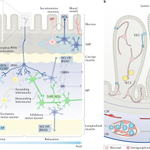
The vagus nerve might have much less impact on MMC than I thought before
Vagotomy (removal of the VN) leads to disruptions in gastric phase 3, but leaves the small intestine untouched
Gastric phase 3 seems to be influenced much more by how the small intestines reflex bows work, as its the pre-requisite for proper vago-vagal signaling between the intestine-brain-stomach
ENS function within the intestine plays a large role in all of that, where disruptions of the MMC can be anywhere along the line of:
Diabetic neuropathy
Circadian dyfunction
Intestinal inflammation
Methane dominant SIBO
ENS cholinergic dysfunction
Anti-vinculin & Anti-CdtB antibodies (PI-IBS)
Coordination of proper motilin & serotonin signaling
Despite my introduction, the vagus nerve and associated dysfunction still plays a role. Its afferents are pretty sensitive to all damage to it, wether it being oxidation or glycemic driven events as in diabetes
The role the vagus nerve plays could be more indirect, as propagation of the MMC from Phase 2 -> Phase 3 is largely driven by luminal pressure changes. Luminal pressure is increased through digestive juices which, you guessed it, dependent on vagal signaling

3
390
Personally I find it incredibly hard to diagnose many of the latent viruses as the testing is pretty sketchy often.
Here is my attempt on how to about EBV testing:
Probably the best way to go about it would be cross referencing symptoms, history, immune panel with actual testing of the virus itself
This would look something like this:
History:
- Did you catch covid?
- Do you suffer from Long Covid?
- Did you ever had Kissings Disease/ Mono/ Large swollen lymph nodes/ Tonsilitis?
- Ask about mother, father, siblings, partner as well
Symptoms:
- PEM
- Fibromyalgia
- ME/CFS Diagnosis
- Myofascial symptoms
- Skeletal & joint symptoms
- Do symptoms worsen under stress?
Panels:
- CBC
- Lymphocyte Differentiation panel
- Vitamin A/D, Zinc, Methylation panel
- Inflammation markers
These are the bare minimum to assess current immune capabilities. Take the important immune ratios of LMR, NLR, CD4/8 ratio and the total sub counts of the latter two
Virus-specific testing:
Here I think you have to go all out to actually gather the data
Antibodies: Anti-VCA (IgM, IgG, IgA), Anti-EBNA-1 (IgG), Anti-EA-IgG and the most important one seems to be blood PCR DNA testing
Here some say plasma > blood, others flip that (at least German labs). I'd go with plasma.

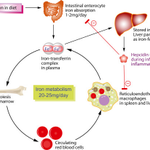
Not assessing iron labs properly leaves huge gains on the table
Iron homeostasis is involved in
- Oxygen delivery
- Immune defense
- Dopamine system
- Cardiovascular health
- Neurodegenerative Disease
- States of bacterial dysbiosis
- Hormones, Libido & Reproduction
Issue is most interpret it poorly. To assess it you need many markers which can cross-correlate with each other
A basic panel looks like this:
CBC
Ferritin
Transferrin
Serum Iron
Liver Panel
Transferrin %
Vitamin A & D
Ceruloplasmin
Copper/ Zinc status
Inflammatory markers (CRP, ESR, hsCRP)
From there it goes on to assess wether its true anemia (low iron with low intake/ loss somewhere), dysfunctional iron trafficking (ACD) or true iron overload (with hemochromatosis rule out) or actually a mixture of some of these

Some foods are just to good to ignore if you have SIBO issues.
The below list works against some of the most present issues created by SIBO:
Orange Peel, broccoli Sprouts, Flax -> estrogen signaling & detoxification
Bone broth, Kimchi & Kefir -> improve motility & a leaky gut, anti-microbial-; inflammatory, bifidogenic, micronutrients and secondary byproducts
Kiwi -> mixture of green & golden can provide you with the best constipation support, while hitting Vitamin C RDI
Ginger -> tea, raw, pickled improves inflammation & motility
Blueberries -> possibly the best tolerated anti-inflammatory fruit with high loads of anthocyanins. Close 2nd would be orange imo
Soups & stews -> combine many listed things: collagenous broth, carrier of many herbs & medicinal spices, long cooking improves digestion, warmth & fluid providing digestion support
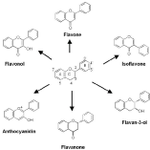
Here is a list of the best sources of certain classes of flavanoids:
Anthocyanidins:
1. Elderberries (by far)
2. Red cabbage (raw)
3. Blackberries
4. Currants
5. Blueberries
Flavon-3-ols (Catechins):
1. Chocolate, dark
2. Wine, red
3. Green Tea
4. Aprictos
5. other teas
6. Apples
Proanthocyanidins:
1. Cocoa powder (by far)
2. Cinnamon
3. Red wine
4. Pecan Nuts
5. Pistachio Nuts
6. Red Apples
7. Cranberries
Flavanols:
1. Wild rocket (Quercetin king)
2. Red Onions (Quercetin)
3. Kale (pretty high in Kamp + Quercetin + others)
4. Water Cress
5. Parsley, Scallions, Chilli peppers, Cowpea black
Flavones:
1. Parsley (by far king of Apigenin)
2. Thyme (by far king of Luteolin)
3. Celery hearts (Apigenin)
4. Peppermint
Incorporating many of these foods daily into ones diet can provide broad spectrum anti-inflammatory & disease protective mechanisms that go far beyond typical macro & micronutrient discussions

Elijah Krings retweeted

Organs refer emotional stress into muscles:
Heart → left arm = heartbreak
Lungs → shoulders/back = grief
Liver & gallbladder → right shoulder = anger
Stomach → mid-back =worry
Gut → low back/hips = holding on
Kidneys → flanks/groin = fear
Reproductive organs → pelvis/thighs = shame
Chakras map emotion the same way, through nerve plexus + gland:
Throat = vagus + thyroid = truth
Solar plexus = gut + adrenals = power
Heart = cardiac plexus + thymus = love
Symptoms are signals.
Your emotions speak through your biology.
Elijah Krings retweeted

Radical membrane replacement with chain breaking lipophilic antioxidants and glutathione precursors/cofactors, etc.
Liberal SS-31
Astaxanthin
Krill oil
Tocotrionols
Olive leaf extract (liquid)
Ubiquinol
Riboflavin
Thiamine
Glynac in the afternoon/dinner
Melatonin (start low)
No blue light at night/morning sun
Thymic protein A
Applying acidity to your steeping in tea can increase content of flavanoids found within the tea
In green tea, extraction of EGCG increases up to 5x fold, whereas other studies noted that 10ml of lemon juice in a cup of tea increase flavanols by 20%
The effect of pH on this is depending on the chemical group of flavanoids:
Flavanols (Quercetin, Fisetin,...) or flavones (Lutoelin) < Flavan-3-ols (Catechins) found in green tea albeit there is an effect still present
Catechins missing additional double bonds lessens its delocalization of electrons, making it more sensitive to temperature & pH changes
TLDR: adding some acid to your teas while steeping is probably a good idea

Exercise, especially cardio of some sort, opens up windows of improved digestion if
a) you do not overdo it
b) actively resolve the sympathetic shut down of blood flow & vagal innervation afterwards
Through glycogen depletion & increase in insulin sensitivity the uptake of glucose within the gut is also much faster, which for me translates into higher tolerance of starch/ glucose the 1-2 meals after
Movement also improves constipation which is due to the mechanical force applied to the abdomen region when moving your legs. Increase in circulating myokines is anti-inflammatory & improves brain-gut circuitry long term (exercise potent BDNF inducer)
Pushing this to the extreme though, will probably be net negative as exercise also increases trafficking of endotoxin/ antigens by increasing gut leakiness. PEM in fibromyalgia patients and an overshoot of the sympathetic response indicative of low resiliency also lowers the threshold of how much movement/exercise is good

Elijah Krings retweeted

When we think of impaired digestion, we immediately think of the physical, predominantly being food, but there's more layers. Both Ayurveda and Chinese Medicine alike consider the digestive system as not only for physical digestion, but also for mental digestion.
Chinese Medicine considers the stomach a place of digesting both food and thought, and to recieve, digest, and assimilate life experiences. This organ links to the emotions of worry and attachment in both systems.
In Ayurveda, the digestive fire, Agni, is known to not only digest food, but also thoughts and impressions into clarity. If we cannot digest food, it creates toxins, Ama (may be considered endotoxins, cytokines, free radicals, immune activation, etc. in western science), which causes disease. If we cannot digest thoughts or experience, or even lack the ability to express our emotions, it creates mental Ama, another driver of disease, especially of psychological origin.
In this case, we can also look at other symptoms found within the digestive system and tackle it from beyond the physical level, but also emotionally, energetically, and spiritually.
- Nausea = anxiety, nervousness, intuition or gut feeling of feeling unsafe (most already know this one)
- Constipation = holding onto something that needs to be let go
- Diarrhea = letting go, or not processing or digesting fully
- Bloating = taking in too much sensory information or emotional load without proper digestion
- Reflux = words that you want to speak out loud that are burning to come back up and be heard
I don't want you to think that these can't stem from physiological consequences. I also don't want you to think that these only stem from emotional/energetic consequences. This is why there's an art of listening and assessing the individual to determine where they're at on a physical, emotional, and spiritual level.


If we look into dietary patterns across human evolution, we need to look at the combined effect the seafood matrix + fiber had on brain development & intelligence
Seafood provided raw material like no other: DHA/EPA and all the minerals needed for proper development of neurons & myelin sheet
Fiber and the downstream SCFAs are plasticity openers through HDAC inhibition. Apart from being highly neuroprotective, without proper plasticity society as a whole couldn't advance
When there is no learning, there is no progress, hence why i think the combined activity of high fiber diets, with moderate seafood based protein intake might be one dietary pattern involved in our cognitive evolution as a species


Modern diets lacking Lithium put us at a cognitive disadvantage
Lithium directly upregulates BDNF, which is a key survival signal for neuronal differentiation & growth
Said signaling pathway is disrupted in many psychiatric diseases, like depression, but also in neurodegeneration like PD, AD, Huntington's. Even in obesity, BDNF signaling is disrupted
By lowering excitotoxitcity, it also plays a more direct role in managing anxiety, stress, brain fog and agitation
One of the key reason we lack it is the shift in diet & geography, moving away from the ocean where soil enriched with Lithium will increase dietary yield
Lower seafood intake is a reason as well
Internationally renowned scientist Dr Michael Nehls is pushing the agenda to make this nutrient an essential one

