

🚀 Aspiring SOC Analyst | Vibe Coder 📈 Sharing Cybersecurity & Software Dev lessons. No fluff. 👇 Follow for weekly threads
Joined June 2022
- Tweets18.5K
- Following931
- Followers5.1K
- Likes19.6K






Pinned Tweet
Why most beginners struggle in Cybersecurity.
A lot of people start cybersecurity excited…
then get stuck after a few months.
Here’s why it happens (from what I’m seeing and experiencing):

A good SOC analyst doesn't simply ask:
"Is this alert suspicious?"
They also ask:
"What evidence supports this alert?"
"What other events are connected to it?"
"Could there be a legitimate explanation?"
Critical thinking is just as important as knowing security tools.

An attacker doesn't always stop after compromising one computer.
They may attempt to move to other systems within the network.
This is known as lateral movement.
Unusual authentication activity, remote access patterns, and unexpected administrative actions can help security teams investigate it.


Hey @grok,
Which among these programming language can survive the next 20 years?


The future of software development is interesting.
Developers can now use AI to build faster, while cybersecurity professionals use AI to support threat detection and investigation.
What happens when developers understand both software engineering and cybersecurity?
That's a skill combination worth exploring.
A phishing email investigation should go beyond checking the sender's name.
Examine:
- Sender address
- Email headers
- Links and domains
- Attachments
- Message content
A convincing display name doesn't make an email legitimate.
Always verify the evidence.


PowerShell is a legitimate Windows administration tool.
Attackers can also abuse it to execute malicious commands.
That's why SOC analysts pay attention to unusual PowerShell activity, especially encoded commands, suspicious parent processes, and unexpected network connections.
The tool itself isn't the threat. Its usage matters.

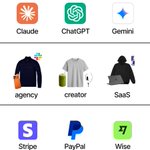
Hey @grok
Which among these companies will surely survive in the next 10 years?

