

Geology STEM kits for Kidz who ROCK!
- Tweets94
- Following54
- Followers16
- Likes64


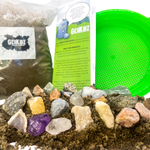



ALT https://exploregeokidz.com/products/GeoKidz-Treasure-Hunt-c133885507


ALT Link to our Ebook: https://www.amazon.com/Exploring-Geology-Ultimate-Hands-Guide-ebook/dp/B09ZDWPPCY/ref=sr_1_1?crid=2OOEVCM7SPJLD&keywords=Exploring+Geology+The+Ultimate&qid=1654715481&s=digital-text&sprefix=exploring+geology+the+ultimat%2Cdigital-text%2C151&sr=1-1

ALT BUY NOW: https://exploregeokidz.com/products/Special-Offers-c132862759


ALT Link to ebook:https://www.amazon.com/Exploring-Minerals-Justin-W-Rice-ebook/dp/B0B1L2LD43/ref=sr_1_1?crid=2X1FX5L6GEYGX&keywords=Exploring+Minerals&qid=1654094591&s=digital-text&sprefix=exploring+minerals%2Cdigital-text%2C146&sr=1-1

ALT Link to ebook: https://www.amazon.com/Exploring-Sedimentary-Rocks-Justin-Rice-ebook/dp/B0B1LTM45K/ref=sr_1_1?crid=2929O2VN42T44&keywords=exploring+sedimentary+rocks&qid=1653154070&s=digital-text&sprefix=exploring+sedimentary+rock%2Cdigital-text%2C139&sr=1-1


ALT Mount Rainer is a magnificent mountain that towers over the Seattle Tacoma metropolitan area and is the highest volcano in the Cascade Range standing at over 14,000 feet. This active stratovolcano is a textbook example of volcanism that occurs when two tectonic plates collide, resulting in the denser oceanic crust sinking beneath the continental plate. This type of interaction is known as a subduction zone, and in the area of Mount Rainer the denser oceanic plate known as the Juan de Fuca Plate subducts beneath the continental North American Plate. The Juan de Fuca Plate dives deep beneath Earth’s surface. Increasing temperatures and pressures start to melt the plate and the less dense material from the melt will rise towards the surface, potentially making it to the surface in explosive fashion!

ALT Mount Rainer is a magnificent mountain that towers over the Seattle Tacoma metropolitan area and is the highest volcano in the Cascade Range standing at over 14,000 feet. This active stratovolcano is a textbook example of volcanism that occurs when two tectonic plates collide, resulting in the denser oceanic crust sinking beneath the continental plate. This type of interaction is known as a subduction zone, and in the area of Mount Rainer the denser oceanic plate known as the Juan de Fuca Plate subducts beneath the continental North American Plate. The Juan de Fuca Plate dives deep beneath Earth’s surface. Increasing temperatures and pressures start to melt the plate and the less dense material from the melt will rise towards the surface, potentially making it to the surface in explosive fashion!

ALT Mount Rainer is a magnificent mountain that towers over the Seattle Tacoma metropolitan area and is the highest volcano in the Cascade Range standing at over 14,000 feet. This active stratovolcano is a textbook example of volcanism that occurs when two tectonic plates collide, resulting in the denser oceanic crust sinking beneath the continental plate. This type of interaction is known as a subduction zone, and in the area of Mount Rainer the denser oceanic plate known as the Juan de Fuca Plate subducts beneath the continental North American Plate. The Juan de Fuca Plate dives deep beneath Earth’s surface. Increasing temperatures and pressures start to melt the plate and the less dense material from the melt will rise towards the surface, potentially making it to the surface in explosive fashion!

ALT Mount Rainer is a magnificent mountain that towers over the Seattle Tacoma metropolitan area and is the highest volcano in the Cascade Range standing at over 14,000 feet. This active stratovolcano is a textbook example of volcanism that occurs when two tectonic plates collide, resulting in the denser oceanic crust sinking beneath the continental plate. This type of interaction is known as a subduction zone, and in the area of Mount Rainer the denser oceanic plate known as the Juan de Fuca Plate subducts beneath the continental North American Plate. The Juan de Fuca Plate dives deep beneath Earth’s surface. Increasing temperatures and pressures start to melt the plate and the less dense material from the melt will rise towards the surface, potentially making it to the surface in explosive fashion!

ALT Great Smoky Mountains The Great Smoky Mountains are remnants of an ancient mountain range that were once similar in elevation to today’s Rockies. The mountains formed when the North American tectonic plate collided with the African tectonic plate, forming the supercontinent know as Pangaea. As the plates collided, the once horizontal layers of the sedimentary rocks present in the area where folded and broken by faults. Following uplift, and the breakup of the supercontinent of Pangaea, the newly formed mountains were further shaped by intense erosion. Erosion continues to shape the landscape. The mountains continue to gradually erode at a rate of about two inches every thousand years. Where do they go? Eventually, carried down the Mississippi River and into the Gulf of Mexico, including the gulf’s beautiful beaches!

ALT Great Smoky Mountains The Great Smoky Mountains are remnants of an ancient mountain range that were once similar in elevation to today’s Rockies. The mountains formed when the North American tectonic plate collided with the African tectonic plate, forming the supercontinent know as Pangaea. As the plates collided, the once horizontal layers of the sedimentary rocks present in the area where folded and broken by faults. Following uplift, and the breakup of the supercontinent of Pangaea, the newly formed mountains were further shaped by intense erosion. Erosion continues to shape the landscape. The mountains continue to gradually erode at a rate of about two inches every thousand years. Where do they go? Eventually, carried down the Mississippi River and into the Gulf of Mexico, including the gulf’s beautiful beaches!

ALT Great Smoky Mountains The Great Smoky Mountains are remnants of an ancient mountain range that were once similar in elevation to today’s Rockies. The mountains formed when the North American tectonic plate collided with the African tectonic plate, forming the supercontinent know as Pangaea. As the plates collided, the once horizontal layers of the sedimentary rocks present in the area where folded and broken by faults. Following uplift, and the breakup of the supercontinent of Pangaea, the newly formed mountains were further shaped by intense erosion. Erosion continues to shape the landscape. The mountains continue to gradually erode at a rate of about two inches every thousand years. Where do they go? Eventually, carried down the Mississippi River and into the Gulf of Mexico, including the gulf’s beautiful beaches!

ALT Great Smoky Mountains The Great Smoky Mountains are remnants of an ancient mountain range that were once similar in elevation to today’s Rockies. The mountains formed when the North American tectonic plate collided with the African tectonic plate, forming the supercontinent know as Pangaea. As the plates collided, the once horizontal layers of the sedimentary rocks present in the area where folded and broken by faults. Following uplift, and the breakup of the supercontinent of Pangaea, the newly formed mountains were further shaped by intense erosion. Erosion continues to shape the landscape. The mountains continue to gradually erode at a rate of about two inches every thousand years. Where do they go? Eventually, carried down the Mississippi River and into the Gulf of Mexico, including the gulf’s beautiful beaches!

ALT Yosemite National Park is known for its incredible rock exposures. Most of the rocks in Yosemite are granitic rock, although some metamorphic and volcanic rocks are also present. Granitic rock is a general term to describe plutonic igneous rocks, or rocks that formed from magma beneath Earth’s surface, such as granite, granodiorite, tonalite, quartz monzonite, and quartz monzodiorite. The plutonic rocks in Yosemite formed over 100 million years ago. Tectonic forces uplifted these rocks and the processes of erosion have shaped the landscape into what we see today, most significantly being glacial erosion and deposition that began about 2 to 3 million years ago.

ALT Yosemite National Park is known for its incredible rock exposures. Most of the rocks in Yosemite are granitic rock, although some metamorphic and volcanic rocks are also present. Granitic rock is a general term to describe plutonic igneous rocks, or rocks that formed from magma beneath Earth’s surface, such as granite, granodiorite, tonalite, quartz monzonite, and quartz monzodiorite. The plutonic rocks in Yosemite formed over 100 million years ago. Tectonic forces uplifted these rocks and the processes of erosion have shaped the landscape into what we see today, most significantly being glacial erosion and deposition that began about 2 to 3 million years ago.

ALT Yosemite National Park is known for its incredible rock exposures. Most of the rocks in Yosemite are granitic rock, although some metamorphic and volcanic rocks are also present. Granitic rock is a general term to describe plutonic igneous rocks, or rocks that formed from magma beneath Earth’s surface, such as granite, granodiorite, tonalite, quartz monzonite, and quartz monzodiorite. The plutonic rocks in Yosemite formed over 100 million years ago. Tectonic forces uplifted these rocks and the processes of erosion have shaped the landscape into what we see today, most significantly being glacial erosion and deposition that began about 2 to 3 million years ago.

ALT Yosemite National Park is known for its incredible rock exposures. Most of the rocks in Yosemite are granitic rock, although some metamorphic and volcanic rocks are also present. Granitic rock is a general term to describe plutonic igneous rocks, or rocks that formed from magma beneath Earth’s surface, such as granite, granodiorite, tonalite, quartz monzonite, and quartz monzodiorite. The plutonic rocks in Yosemite formed over 100 million years ago. Tectonic forces uplifted these rocks and the processes of erosion have shaped the landscape into what we see today, most significantly being glacial erosion and deposition that began about 2 to 3 million years ago.

ALT The Teton Range is one of the most breath-taking mountain ranges in North America. Here on display, is the battle between the tectonic forces that form mountains, and the erosional forces that slowly wear them down. This battle is evident in the jagged peaks rising above the piles of rock below. And the mountains continue to grow! Tectonic forces continue to lift the Teton Range, while at the same time, Jackson Hole to the east continues to sink.

ALT The Teton Range is one of the most breath-taking mountain ranges in North America. Here on display, is the battle between the tectonic forces that form mountains, and the erosional forces that slowly wear them down. This battle is evident in the jagged peaks rising above the piles of rock below. And the mountains continue to grow! Tectonic forces continue to lift the Teton Range, while at the same time, Jackson Hole to the east continues to sink.

ALT The Teton Range is one of the most breath-taking mountain ranges in North America. Here on display, is the battle between the tectonic forces that form mountains, and the erosional forces that slowly wear them down. This battle is evident in the jagged peaks rising above the piles of rock below. And the mountains continue to grow! Tectonic forces continue to lift the Teton Range, while at the same time, Jackson Hole to the east continues to sink.