

Exploring the future through Crypto, AI & Art Technology drives progress Creativity gives it meaning Proud @nabulines member
Izengard
Joined February 2022
- Tweets117K
- Following2.3K
- Followers4.8K
- Likes107K








Pinned Tweet
another good Morning another good News
@vangrid_io one detail worth understanding if you're following vangrid is what the points actually mean
the public hub explains that ptc tracks contributions and ranking in the network but it isn't a currency and currently carries no monetary value
i think this distinction matters because contributing to a network and holding a token are two very different things
for now i'd focus on what can be verified: how captures are counted, how contribution ranks change and when the project publishes more details about future utility
clear expectations are important for any community program
i'd rather see the mechanics explained properly than assume points automatically mean a future payout


the @vangrid_io one thing i find interesting about vangrid’s current direction is the focus on making spatial data usable beyond a single app
collecting real world data is only one part of the challenge
that data also needs a reliable way to enter ai workflows, preserve its provenance and respect privacy along the way
vangrid’s website now highlights pieces of that stack including multi-view ingestion, cryptographic provenance, edge-computed privacy and an enterprise spatial api
to me, these are important building blocks because useful infrastructure has to connect data collection with the systems that actually need the data
the question i’m watching is how these components come together in real deployments and how easily developers can build on top of them

Witch-King retweeted
another good Morning another good News
@vangrid_io one detail worth understanding if you're following vangrid is what the points actually mean
the public hub explains that ptc tracks contributions and ranking in the network but it isn't a currency and currently carries no monetary value
i think this distinction matters because contributing to a network and holding a token are two very different things
for now i'd focus on what can be verified: how captures are counted, how contribution ranks change and when the project publishes more details about future utility
clear expectations are important for any community program
i'd rather see the mechanics explained properly than assume points automatically mean a future payout
the @vangrid_io one thing i find interesting about vangrid’s current direction is the focus on making spatial data usable beyond a single app
collecting real world data is only one part of the challenge
that data also needs a reliable way to enter ai workflows, preserve its provenance and respect privacy along the way
vangrid’s website now highlights pieces of that stack including multi-view ingestion, cryptographic provenance, edge-computed privacy and an enterprise spatial api
to me, these are important building blocks because useful infrastructure has to connect data collection with the systems that actually need the data
the question i’m watching is how these components come together in real deployments and how easily developers can build on top of them
Witch-King retweeted
the next phase of onchain markets won’t be built on liquidity alone
@zerufinance bringing activity markets and trust oracles into the conversation at @TheTieIO’s The Bridge is a timely step
as traditional finance and crypto move closer, one challenge becomes harder to ignore: how do you evaluate participants when a wallet address tells you very little on its own?
markets need more than price data. they need ways to reason about behavior, contribution, risk, and access
that’s where trust infrastructure can matter — not as a replacement for markets, but as another layer helping them make better decisions
curious to see how these ideas evolve as onchain finance moves toward more institutional use cases


The ZeruAI team is heading to NYC for @TheTieIO's The Bridge tomorrow.
@Ashutosh_Sahoo will be joining the conversations around activity markets, trust oracles, and what comes next for onchain markets.
If you're attending, come say hi!

Witch-King retweeted
the problem isn’t just another meme token
it’s a market where being early can matter more than contributing anything
when linked wallets can move from an existing token to a copy within minutes, liquidity becomes a game of timing and late buyers can end up providing the exit
that’s the question @zerufinance is raising with activity fi: what if a market rewarded verified onchain contribution instead of just whoever gets in first?
it won’t eliminate speculation or guarantee fair outcomes. but changing what earns participation could change what a market is built around
the next evolution of meme markets shouldn’t just make launching easier
it should rethink who gets to participate in the upside
Another meme launch. Same game.
On October 20, a new $KIMCHI launched with the same ticker as an existing token.
Bitquery traced three linked wallets switching to the new $KIMCHI within a minute.
In under 9 minutes:
- $7,332 turned into $111,748 in sales.
- The original $KIMCHI fell from a $5.35M valuation to $875K in 15 minutes.
The launch rewarded those who moved first, while others were left chasing the trade.
If being early matters more than contributing, what is the launch really rewarding?

the next phase of onchain markets won’t be built on liquidity alone
@zerufinance bringing activity markets and trust oracles into the conversation at @TheTieIO’s The Bridge is a timely step
as traditional finance and crypto move closer, one challenge becomes harder to ignore: how do you evaluate participants when a wallet address tells you very little on its own?
markets need more than price data. they need ways to reason about behavior, contribution, risk, and access
that’s where trust infrastructure can matter — not as a replacement for markets, but as another layer helping them make better decisions
curious to see how these ideas evolve as onchain finance moves toward more institutional use cases
The ZeruAI team is heading to NYC for @TheTieIO's The Bridge tomorrow.
@Ashutosh_Sahoo will be joining the conversations around activity markets, trust oracles, and what comes next for onchain markets.
If you're attending, come say hi!
contribution points and tokens aren't the same thing
understanding the difference helps keep expectations realistic as the network evolves
Witch-King retweeted
the real problem with meme launches isn’t just who buys first
it’s who gets access before everyone else
@zerufinance is asking a bigger question with activity fi: what if a token market started with the people contributing onchain, rather than giving insiders a head start?
the idea is simple, but the design matters
verified activity can help determine who earns the right to mine supply, while actual demand determines how much gets issued
that’s a very different starting point from launching a token and hoping late buyers provide the exit liquidity
it won’t make speculation disappear
the real test is whether the incentives stay fair once money is on the line
but changing who gets access at launch could be more meaningful than launching another token faster
Who really wins the meme launch game?
Bitquery analysed 8.2M Pump(dot)fun launches and found:
- 21% had developer-linked wallets buying in the launch block, holding a median 10% of supply.
- Developers and bundled wallets made at least $579M after fees on tokens they sold.
- Sniper bots made $31.5M.
Developers and bundled wallets made 18x what sniper bots did.
The problem goes beyond bots getting in first. It’s who gets access, how much supply they secure, and when they sell.
Witch-King retweeted
the @vangrid_io one thing i find interesting about vangrid’s current direction is the focus on making spatial data usable beyond a single app
collecting real world data is only one part of the challenge
that data also needs a reliable way to enter ai workflows, preserve its provenance and respect privacy along the way
vangrid’s website now highlights pieces of that stack including multi-view ingestion, cryptographic provenance, edge-computed privacy and an enterprise spatial api
to me, these are important building blocks because useful infrastructure has to connect data collection with the systems that actually need the data
the question i’m watching is how these components come together in real deployments and how easily developers can build on top of them
Witch-King retweeted
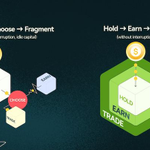
the @grvt_io one detail in grvt's roadmap caught my attention: capital sitting idle isn't always a trading decision
sometimes it's just a consequence of how trading accounts are designed
in grvt's announcement, the team shared that 6 in 10 traders surveyed kept at least a quarter of their capital on the platform idle
that makes the idea behind yield as margin more interesting than just another earn feature
the plan is to let eligible grvt earn balances support trading positions while continuing to generate yield, subject to product terms and risk parameters
in theory, this could reduce the trade, off between keeping funds available for a market opportunity and putting them to work
but the real test won't be the headline apy
it'll be how the system handles collateral requirements, liquidity, margin calls and liquidation risk when markets move fast
yield doesn't make leveraged trading safer by itself, and an asset earning a return isn't automatically suitable collateral for every position
i also want to see how clearly grvt explains which earn assets qualify, how their value is treated as margin, and what happens when a position approaches liquidation
if grvt gets those details right, yield as margin could be a meaningful improvement in capital efficiency
if not, combining two financial functions in one balance could make risk harder to understand
that's the part of grvt 2.0 i'll be watching most closely
Witch-King retweeted
the @grvt_io one cost traders often underestimate isn't the entry fee. it's what it costs to keep a position open
that's why stable funding perps is one of the grvt 2.0 updates i'm watching
the plan is to bring perpetual markets tied to stocks, forex, commodities and indices onchain, with zero trading fees and funding charged once a day
that last part matters because funding isn't just a technical detail. when you're holding a position, repeated funding payments can quietly change the economics of the trade
grvt says its new design aims to make funding more predictable, with a capped daily rate that traders can see before entering a position
the roadmap also targets more than 1,000 markets by the end of december
if delivered as planned, this could mean more traditional markets accessible through one self-custodial trading account, without treating funding costs as an afterthought
but i'm keeping one distinction clear: these are announced product plans, and the actual market coverage, funding parameters, liquidity and execution will matter more than the headline
zero trading fees don't mean zero trading costs, and leverage still carries liquidation risk
for me, the real question is whether grvt can make cross-market trading more transparent and predictable, not just add more tickers to the screen
i'll be watching how stable funding perps performs once it goes live
the @vangrid_io one thing i find interesting about vangrid’s current direction is the focus on making spatial data usable beyond a single app
collecting real world data is only one part of the challenge
that data also needs a reliable way to enter ai workflows, preserve its provenance and respect privacy along the way
vangrid’s website now highlights pieces of that stack including multi-view ingestion, cryptographic provenance, edge-computed privacy and an enterprise spatial api
to me, these are important building blocks because useful infrastructure has to connect data collection with the systems that actually need the data
the question i’m watching is how these components come together in real deployments and how easily developers can build on top of them
Witch-King retweeted
the @vangrid_io verification is a small update on the surface but an important step in building a more recognizable project identity
vangrid has publicly shared its coinmarketcap verification request under ticket id 1467663
what matters to me is the process of making project information easier to identify and cross-check across platforms
as vangrid builds infrastructure for physical ai having consistent official information matters too especially as more people discover the project
the request itself isn't the same as final approval but it's a useful step to follow
i'll be watching for the official confirmation and any update to the project's coinmarketcap profile

