

UFC fight predictions (146-68), PFL 53-17, RIZIN 18-9 Breakdowns & hot takes. If the picks help: https://teapaw.org/t.co/aYlGOPkRbN
Joined January 2013
- Tweets6.1K
- Following853
- Followers1.5K
- Likes4.7K


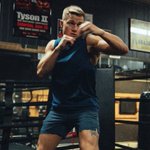


Francis Marshall vs. Dakota Hope
Francis Marshall
At 27 years old (born March 9, 1999), the 5'9" orthodox fighter (72" reach) from Brick Township/Manasquan, New Jersey (trains at American Top Team after starting under Kurt Pellegrino) enters with a pro record of 10-3. He has 1 KO/TKO, 5 submissions (mainly rear-naked chokes), and 4 decisions. UFC record sits at 4-3.
Background and path: Grew up in the Manasquan/Brick Township, New Jersey area playing football (with some baseball and basketball). Around age 13 his father signed him up for jiu-jitsu at Kurt Pellegrino’s gym in Belmar so he would stay active during football’s winter offseason. He began private lessons with Pellegrino around 14. Watching the gym’s fighters compete in Atlantic City (Ring of Combat, Cage Fury) got him interested, and by 15–16 he had decided the UFC was the goal. He wrestled his junior and senior years of high school (two time state qualifier, district champion, and regional champion in New Jersey) and competed in IBJJF events, collecting multiple medals. He went 5-0 as an amateur (Bayou FC title) before turning pro in late 2019 under Pellegrino’s guidance. Regional circuit included Maverick MMA, Gulf Coast MMA, and Ring of Combat. Earned a UFC contract on Dana White’s Contender Series in August 2022 with a unanimous decision over Connor Matthews (high output, multiple takedowns, control). UFC debut KO of Marcelo Rojo (R2 punches). Subsequent losses: William Gomis (split decision), Isaac Dulgarian (R1 TKO elbows/punches), Mairon Santos (split decision). Wins over Dennis Buzukja (split decision), Erik Silva (R1 RNC), and Lucas Brennan (unanimous decision). While training he worked as a Jersey City firefighter and also put in time at Martinez BJJ in Philadelphia. Purple belt in BJJ. Favorite techniques: rear-naked choke and jab. Later relocated to American Top Team after quitting the firefighter job to train full time.
Strengths: Functional wrestling entries and top control with high level RNC threat . Solid takedown defense. Pressure that mixes jab/1-2 sequences with level changes. Great ability to set up combos with multiple jabs. Ability to control and bank rounds via grappling even when striking output is moderate. Durability in most exchanges and recovery from early adversity.
Weaknesses: Striking can be linear and lower-volume (UFC SLpM 3.19, 34% accuracy). Has been outstruck or controlled in losses (Gomis, Dulgarian finish, Santos volume/leg work). Absorption rate sits higher than ideal (3.45 SApM). Control can be grinding rather than consistently damaging if the opponent scrambles well.
Dakota Hope
At 29 years old (born January 29, 1997), the 5'6" orthodox fighter (68" reach) from Houston, Texas (trains at 4oz Fight Club under Daniel Pineda) enters with a pro record of 11-2. He has 5 KO/TKOs, 1 submission, and 5 decisions. UFC record sits at 0-1.
Background and path: Born in Atlanta and based in Houston, Texas. Started Brazilian jiu-jitsu as a high school freshman after a childhood friend (Kevin Perez) showed him submissions when they would spar. Hope used wrestling to take him down while the friend worked the submissions. Official training began at W4R Training Center under Jeremy Mahon. He earned a wrestling scholarship and competed for one season at New Mexico Highlands University (Division II). He also held a Marine PLC contract. The family was displaced by the 2016 Tax Day Floods and then Hurricane Harvey in 2017 (living in hotels for months with siblings), which forced him to drop out of school to help. He supported himself with coaching and nightclub security. From age 20 international teams began sponsoring him. He went 3-0 as an amateur in 2018. Pro debut came in the Philippines in early 2019 after being picked up by management (he trained periods in Thailand), followed by fights in China. Later earned his purple belt under Daniel Pineda at 4oz Fight Club in Houston, where he trains alongside Joshua Van and Alden Coria. Never been finished as a pro.
Strengths: High volume pressure and power in bursts (UFC sample 7.07 SLpM, 41% accuracy, regional tape shows blitzes, clinch knees/elbows, and constant wrestling pressure). Clinch work that generates damage (big elbows vs. Liu, body/head work vs. Kamaka and Henry). Functional takedowns and top control when he commits (multiple TDs and GNP in regional wins). Durability (never stopped, while he absorbed heavy shots vs. Nelson and still won). Opportunistic finishing once he lands clean or gets position.
Weaknesses: Striking defense is porous (33% UFC, gets hit cleanly and rocked by regional opponents of mixed quality). Output can fade in later rounds (volume dipped vs. Kamaka, lots of wild swings miss). Limited high level competition until the UFC debut. Difficulty closing distance on taller fighters. Grappling is functional but not dominant against skilled wrestlers (stuffed or reversed quite a bit, low sub threat).
Stylistic Breakdown & Key Matchup Factors
Size & physicality: Marshall holds a clear edge (3" taller, 4" longer reach). Neither has shown elite power on available tape, though Hope’s looping power punches and elbows have produced early finishes regionally, and Marshall’s overhand rights and GNP have hurt or stopped opponents. Physical strength appears comparable in the clinch.
Striking: Hope is the higher volume fighter who presses forward with power combinations, clinch knees, and elbows (visible in Kamaka, Gomez, Liu, Henry, Nelson). His one fight UFC accuracy (41%) edges Marshall’s (34%), but on tape he swings wildly often. While Francis uses a lot of set-up jabs for his combinations and entries. Hope's defense (33%) is significantly lower than Marshall’s (55%). That is consistent on the regional tape, as Hope does get hit in open space. Marshall uses multi-jab/cross sequences, feints, and counters more efficiently and has better defensive metrics. Hope’s path requires closing distance and landing heavy shots before Marshall settles into range control or wrestling. Marshall’s lower absorption and better defensive striking favor him if he stays disciplined.
Grappling/Wrestling: Marshall holds the edge. He averages 2.71 takedowns per 15 minutes (47% accuracy) with strong TDD and a RNC threat once he gets the back or top position. Hope’s is more opportunistic than dominant, but he does seek takedowns and long clinch sequences. He can score TDs and land GNP (Henry, Liu, Nelson), but Marshall’s wrestling background, ATT partners, and history of stuffing or reversing shots limit Hope’s best offensive grappling. Edge to Marshall in preventing sustained bottom time and in overall control/submission threat.
Pace & cardio: Both have gone three rounds (Hope has also gone five). Hope’s volume is high early but has dipped in later rounds against active opponents. Marshall’s lower striking output is offset by control time and the ability to dictate pace via wrestling. Marshall’s metrics and recent control performances favor him if the fight extends and he forces grappling.
Intangibles
Training environment: Marshall’s move to American Top Team coincided with back-to-back wins (Silva RNC, Brennan decision) after earlier setbacks, showing improved consistency in control and finishing. Hope’s home gym at 4oz Fight Club includes Van & Coria and has produced solid regional results, despite defensive shortcomings. The UFC debut was a competitive loss on short notice at a higher weight.
Opposition and experience: Marshall has faced a broader sample (Gomis, Dulgarian, Santos, Buzukja, Silva, Brennan, Rojo, Matthews) including wrestlers and volume strikers. Hope’s regional wins came against varied competition (some lower level early, but solid regional later).
Durability: Hope has never been stopped and has recovered from heavy shots. Marshall has one TKO loss (Dulgarian) but has generally held up and finished or controlled when his wrestling lands. Hope’s five first round KO/TKOs show early power, but Marshall’s five RNCs show a repeatable late finish once position is secured.
Wise Prediction
Marshall will look to use his jab and reach to set up entries, stuff or reverse Hope’s pressure and occasional shots, and either control from top or transition to the back for the RNC once the fight hits the mat. Hope will press forward with volume, clinch work, and power punches or elbows to create damage before Marshall can settle into wrestling. I think, Hope must avoid extended control time where Marshall’s grappling and TDD have been reliable, but it is part of Hope's game to mix in the level changes.
Marshall’s superior wrestling metrics, RNC threat, size, defensive striking, and recent control performances give him the more reliable paths over three rounds. Hope’s volume, clinch damage, and early power keep him live if he can land clean early or force messy exchanges before the wrestling takes over.
Picks:
1. Francis Marshall by decision.
36% (MY PICK) - Clearest path. His TDD, takedown volume, and top control should let him dictate position and bank rounds the way he did against Brennan and Matthews, while limiting Hope’s volume. Hope’s output has faded against active opposition and his defense leaves openings.
2. Francis Marshall by submission late (R2/R3).
24% - Realistic finishing path. Multiple RNC wins (regional and UFC) once he gets the back or transitions.
3. Dakota Hope by KO/TKO early (R1/R2).
18% - His most realistic route. Power punches, elbows, and clinch work have finished or hurt opponents early (Gomez, Liu, regional blitzes). He has not shown the ability to close well when at a reach disadvantage.
4. Francis Marshall by KO/TKO (any round).
12% - Secondary path via accumulated damage and GNP from top or counters. Less frequent than his grappling finishes, but it is there on tape.
5. Dakota Hope by decision.
6% - Unlikely. Would require him to outwork Marshall on the feet, despite the issues with size and striking disparity. Or, it would require Hope to outwrestle Marshall despite the TDD and Marshall's grappling ability.
Last 4% of occurrences cover stoppages the other ways, draw, or lower-probability endings.
Best bet angle: Primary lean is Marshall on the given the edges in size, defensive wrestling, grappling control, and competition. Marshall by decision is the safer method lean. Marshall by submission is live. Hope by KO/TKO is the primary underdog angle. Over 1.5 rounds makes sense, since both like to wrestle for control.
#UFCVegas #MarshallVsHope #UFC #Featherweight #FrancisMarshall #DakotaHope #UFCFightNight @ufc


Jean-Paul Lebosnoyani vs. Farman Hasanov
Jean-Paul Lebosnoyani
At 27 years old (born January 27, 1999), the 5'11" switch-stance fighter (72" reach) from Hermosa Beach, California (trains at Cobra Team & The Q MMA) enters with a pro record of 11-2-0. He has 3 KO/TKOs, 5 submissions, and 3 decisions. UFC record sits at 2-0.
Background and path: Born in the United States (half-Armenian, half-Romanian). His father Nono Lebosnoyani trained under Helio Gracie and coached Royce Gracie in the early UFC era. Jean-Paul began jiu-jitsu training at age 3 (competing by 5), with hundreds of grappling matches by high school graduation. He also wrestled at Mira Costa High School (top 8 state at 170 lbs in senior year, CIF Southern Section team title). BJJ black belt. Professional debut in 2018 under LFA. Early finishes mixed submissions (triangles, guillotine, scarf-hold armlock) and striking. Fought for vacant LFA Lightweight Title in 2023 (loss via TKO to JaCobi Jones), moved to welterweight and has gone undefeated since. Lights Out lightweight title. DWCS 2025 Week 4 R1 KO of Jack Congdon (head kick + punch) earned the UFC contract. UFC debut split decision over Phil Rowe, unanimous decision over Seokhyeon Ko.
Strengths: Well rounded with high level BJJ (triangles, guillotines, arm locks, transitions from bottom or top) layered on wrestling and improved striking. Functional power in kicks (head kicks, leg kicks) and combinations; opportunistic finishes on the feet or in transitions. Solid takedown defense (100% in the UFC) and ability to reverse or scramble into offense. Experience against varied opposition, can mix striking volume with grappling threats.
Weaknesses: Striking defense has been tested (absorbed significant output vs. Rowe and Ko, cut open vs. Jones). Can be drawn into exchanges where he absorbs clean shots while looking for counters or transitions. Early losses came via strikes against Carlyle and Jones.
Farman Hasanov
At 31 years old (born August 1, 1995), the 5'11"/6'0" orthodox fighter (74" reach) from Baku, Azerbaijan (fights out of Azerbaijan, trains at American Top Team) enters with a pro record of 5-0 (or 6-0, as I do not know why Sariev is flagged). He has 3 KO/TKOs and 2 decisions. UFC record sits at 1-0.
Background and path: Born and raised in Baku. High level freestyle wrestler who earned Master of Sport rank. Professional wrestler before transitioning to MMA in 2021. Amateur silver medalist at 2022 European MMA Championships. Professional debut in 2022. Moved to the U.S. in 2023 (initially Stout PGH in Pittsburgh, then American Top Team). Regional wins in LFA and Azerbaijani promotions via wrestling control into ground-and-pound or early finishes. UFC debut in Baku (June 2026) unanimous decision over Eric Nolan (17 takedowns, including a single round record for welterweight).
Strengths: Elite freestyle wrestling base with relentless chain wrestling, high volume takedowns (17 of 27 vs. Nolan, 63% accuracy), and top control. He has shown periods of striking where the takedown attempts are nonexistent (no TDs attempted against Roberts until Round 3). Ability to drag opponents to the mat, mat return, and land ground-and-pound. Good striking defense. Physical strength in grappling exchanges. Finishes via GNP when he establishes position.
Weaknesses: Low striking volume (1.40 SLpM in UFC) and limited offensive striking tools outside of setup for wrestling. No submission wins. Grappling is control and GNP-oriented rather than submission threat. Fatigue visible in longer fights. Limited professional experience and high level competition, early career opponents were regional level.
Stylistic Breakdown & Key Matchup Factors
Size & physicality: Near identical height. Hasanov holds a slight reach edge (74" vs. 72"). Both are athletic. Neither has a clear size or power advantage on available tape.
Striking: Lebosnoyani is the more active and varied striker. He uses leg kicks, head kicks, jabs, combinations, and stance switches to set up power or transitions (visible vs. Congdon head kick KO, Rowe kicks and punches, Ko volume). Hasanov is lower volume and primarily uses striking to set up or counter into wrestling. Lebosnoyani’s tools at range and ability to hurt with kicks give him the clearer standing path if he can keep distance or punish entries. Hasanov’s path is closing and chaining to the mat.
Grappling/Wrestling: Hasanov holds the volume edge. Lebosnoyani has functional defensive wrestling and high level offensive grappling (triangles, guillotines, arm locks, transitions from bottom as seen vs. Brock, Hall, Gennrich, and in UFC). If Hasanov lands sustained top time, his GNP is effective. Lebosnoyani’s submission threat and ability to reverse or attack from bottom create counters. Edge to Hasanov in initiating and sustaining wrestling, edge to Lebosnoyani in submission threat and scramble offense once engaged.
Pace & cardio: Both have gone three rounds. Hasanov’s high output wrestling showed fatigue late vs. Nolan. Lebosnoyani has mixed high volume striking with grappling and shown the ability to maintain activity (Ko fight). Wrestling heavy fights tend to tax both. Lebosnoyani’s ability to threaten from multiple positions may force Hasanov to expend energy defending submissions as well as attacking.
Intangibles
Lifelong grappling vs. late MMA transition: Lebosnoyani has trained jiu-jitsu since age three (black belt, hundreds of competitive grappling matches before turning pro) and added high school wrestling at his father’s insistence specifically to become more complete. That base shows up in his ability to attack from bottom or in scrambles (triangles against Brock and Gennrich, guillotine/arm-triangle looks in the UFC). Hasanov is a Master of Sport freestyle wrestler whose entire athletic identity was wrestling until he started MMA in 2021. His professional sample is still short and his game remains almost entirely wrestling-to-control.
Submission threat vs. control wrestling: Hasanov’s wins are built on volume takedowns, mat returns, and ground-and-pound. He has zero professional submission wins. Lebosnoyani’s most reliable finishing tools have historically come from bottom or transition positions once the fight hits the mat. If Hasanov’s chain wrestling is not clean enough to keep Lebosnoyani passive, the risk of giving up a triangle, guillotine, or arm attack is higher than it has been against Hasanov’s previous opponents.
Adversity: Lebosnoyani already absorbed a clear setback (the LFA lightweight title loss to Jones) and responded by moving up in weight, improving his striking, and stringing together wins that earned him a Contender Series contract and two UFC decisions. Hasanov's entire pro career is undefeated but short, and his best win is the Nolan wrestling display.
Wise Prediction
Lebosnoyani will look to use leg and head kicks, combinations, and movement to control distance and punish Hasanov’s entries while threatening transitions or submissions in the clinch or scramble. Hasanov will pressure with chain wrestling, look to drag the fight to the mat, establish top control, and accumulate ground-and-pound or mat returns. The fight hinges on whether Lebosnoyani can stuff or reverse enough shots to keep it standing or just threaten from bottom, versus Hasanov’s ability to sustain wrestling volume without exposing himself to counters.
Lebosnoyani’s more complete skill set, submission threat, striking variety, and experience edge give him multiple paths. Hasanov’s wrestling volume and control are the clearest counters and keep the fight live if he can force and hold top position.
Picks:
1. Jean-Paul Lebosnoyani by decision.
32% - Clearest path. His range tools, kicks, defensive wrestling sample, and ability to mix grappling threats should allow him to bank rounds even if Hasanov lands some control.
2. Jean-Paul Lebosnoyani by submission (any round).
20% (MY PICK) - Realistic finishing path. BJJ background, triangles, guillotines, and transitions create openings against a wrestling-focused fighter who may overcommit or leave space in scrambles.
3. Farman Hasanov by decision.
18% - Primary underdog path. Relentless chain wrestling and top control can bank rounds if he lands high volume takedowns and GNP without being reversed or submitted.
4. Jean-Paul Lebosnoyani KO/TKO (any round).
14% - Live via head kicks, combinations, or GNP after a scramble. His finishing rate and power tools support this if Hasanov’s defense slips on entries.
5. Farman Hasanov by KO/TKO late (R2/R3).
8% - Requires sustained top control and accumulating GNP that forces a stoppage. Possible but less likely given limited striking volume and Lebosnoyani’s durability.
Last 8% of occurrences cover early stoppages the other ways, draw, or lower-probability endings.
Best bet angle: Primary lean is Lebosnoyani on the given the edges in striking variety, submission threat, and overall ability. Lebosnoyani by decision is the safer method lean. Lebosnoyani by submission is live. Hasanov by decision is the primary underdog angle, requiring sustained wrestling control. Over 1.5 rounds is reasonable given both fighters’ ability to extend fights when wrestling is contested.
#UFCVegas123 #MoicanoVsNolan #LebosnoyaniVsHasanov #UFC #Welterweight #JeanPaulLebosnoyani #FarmanHasanov @ufc


Tape Study:
Jean-Paul Lebosnoyani:
Eugene Chacho (0-2) -
Just pictures: instagram.com/p/BsrYaccH9pI/
instagram.com/p/Bs3lKa3nKF7/
Skyler Hicks (0-3) -
Just postfight and pictures: instagram.com/p/BydwvTwn6MV/…
instagram.com/p/BzL3AI_ntLI/
instagram.com/p/B7B7c3rn6uF/
Spike Carlyle (16-7) -
JPL's thoughts: instagram.com/p/B4_A0PUnihK/
Carlyle's thoughts: instagram.com/p/B47_RxVpBYS/
Richard Santos (1-2) -
Can't Find.
Devon Brock (12-7) -
youtube.com/watch?v=TKzuJsH_…
The rest are on Fight Pass.
Farman Hasanov:
Emil Salimov (0-1) -
youtube.com/watch?v=LtSlE8kY…
Ibragim Sariev (2-0) -
youtube.com/watch?v=FquhDtuQ…
This fight is flagged for some reason.
Luke Roberts (5-2-1) -
youtube.com/live/0E7AvMEFuSE…
Marc-Ari Lewis (3-4) -
youtube.com/live/uF_E1yTSIVg…
Abdurakhman Fazilov (6-1) -
youtube.com/live/LTEC-V0Rgds…
Last one in the UFC.

Tape Study:
Francis Marshall:
Keith Forant (4-2) -
facebook.com/reel/2455414561…
Chris Cantu (1-9) -
Just this picture: instagram.com/p/CMs1uH_llmb/…
Mike Taylor (4-3) -
youtube.com/watch?v=kWTyXpei…
Rey Trujillo (28-44) -
youtube.com/watch?v=H6UEH4UO…
Michael Lawrence (7-7) -
On-demand: trillertv.com/watch/ring-of-…
Rest in UFC.
Dakota Hope:
Dakota had a 2+ year layoff in 2022-2024. We will focus on tape after the layoff. Which means only Liu needs to be linked as the rest are on Fight Pass.
Yongqiang Liu (9-7) -
youtube.com/live/bGVx5qixbMU…
Ode Osbourne vs. Cody Durden
Ode Osbourne
At 34 years old (born January 9, 1992), the 5'7" southpaw fighter (73" reach) from Kingston, Jamaica (fights out of Las Vegas, trains at Black Kobra MMA under Dewey Cooper) enters with a pro record of 13-9 (2 NC). He has 6 KO/TKOs, 4 submissions, and 3 decisions. UFC record sits at 5-7 (1 NC).
Background and path: Born in Kingston, Jamaica, he spent his early years with his grandmother and then his great grandmother. His mother had him at 18 while still in school, his father moved to England when he was seven. At age 9 he relocated to the Flatbush section of Brooklyn, New York. He bounced around after that, including a stop in Florida where he played high school football at William T. Dwyer High School alongside future NFL quarterback Jacoby Brissett before switching fully to wrestling. Under coach Ben Tomes he became a three time state placewinner. When Tomes took a wrestling coaching job at Carroll University in Waukesha, Wisconsin, Osbourne followed him north, enrolled, and qualified for nationals as a freshman before the program was shut down the following year. During the offseason Tomes introduced him to an MMA gym and head coach Reese Shaner, who taught him the fundamentals and became a mentor. He made his amateur debut in 2013, turned pro in 2015, and earned his UFC contract with a first round armbar of Armando Villarreal on Dana White’s Contender Series in 2019. He has long worked as an assistant teacher. He holds a purple belt in Brazilian jiu-jitsu. Regional experience came primarily on the Midwest circuit (Pure FC, HD MMA) before the UFC. “The Jamaican Sensation” nickname pays homage to his roots. He now lives and trains in Las Vegas.
Strengths: Length and reach advantage that creates space for counters and kicks. Functional power, especially with left hands and combinations that have produced early finishes (Rivera R1 KO at 0:26, Adashev R1 KO at 1:01, Gurule TKO). Ability to scramble, reverse, or threaten submissions when grappling is messy (triangle attempts, armbar on DWCS). Decent takedown defense in the UFC (66%). Can pressure or pick shots at range when disciplined.
Weaknesses: Low output and vulnerability to sustained wrestling or grappling pressure. Multiple losses via rear-naked choke when taken down and controlled (Filho R1, Almabayev R2, Kelleher guillotine). Absorption and defensive lapses allow opponents to land clean or dictate once inside (Kape flying knee, Nam KO, Idiris control after early drop, Rodriguez late control after early knockdown). Recent form has been inconsistent against wrestlers and volume strikers.
Cody Durden
At 35 years old (born March 29, 1991), the 5'7" southpaw fighter (67" reach) from Covington, Georgia (trains at American Top Team Atlanta/Gwinnett) enters with a pro record of 18-11-1. He has 6 KO/TKOs, 6 submissions, and 6 decisions. UFC record sits at 7-9-1.
Background and path: Born in Covington, Georgia, he played multiple sports as a kid before switching fully to wrestling around eighth grade after his growth stalled. At Eastside High School under coach Michael Smith-Foot he compiled a 121-31 record, won four area championships and two sectional titles, reached the state final as a senior, and helped the team win two state championships. He received scholarship offers, including one to the United States Military Academy at West Point, but declined them after the birth of his son and entered construction work instead. Around age 21 a longtime friend and mixed martial artist, Travis Knight, invited him to a gym in Conyers that had wrestling mats. He showed up, got his tail kicked daily, and fell in love with the sport. After roughly two years of training he made his amateur debut in 2014 (going 5-1), then turned pro in March 2016. He captured regional titles, including the Valor Fighting Challenge bantamweight championship, while balancing a construction job (early mornings, full days on site, then gym sessions) with training. He holds a brown belt in Brazilian jiu-jitsu. He has long trained with American Top Team affiliates in the Atlanta/Gwinnett area. He is married with children.
Strengths: High volume wrestling and top control that wears opponents down. UFC takedown average of 3.99 per 15 at 49% accuracy has produced extended control and decision wins (11 TDs and heavy control vs. Charles Johnson, multiple trips/back takes vs. Filho for a unanimous decision, control sequences vs. Hadley and Mota). Functional submission threat once on top or in scrambles. Pressure that forces opponents into defensive postures. Durability in many grappling exchanges.
Weaknesses: Reach disadvantage and vulnerability to range striking or counters. Can be outworked or finished by more technical grapplers (Costa RNC after being hurt and dropped, Tumendemberel decision in a grappling war, Nascimento anaconda, Ulanbekov face crank/RNC). Absorption rate is elevated (3.94 SApM). Striking defense and chin have been tested (KO by Ochoa, heavy volume from Van). Recent form is mixed with several losses.
Stylistic Breakdown & Key Matchup Factors
Size & physicality: Identical height at 5'7". Osbourne holds a clear reach advantage (73" vs. 67"). Neither has shown overwhelming power relative to the division, but Osbourne’s counters and left hands have produced more highlight finishes.
Striking: Osbourne is the longer, more opportunistic striker with better tools at range (jabs, left hands, body/leg kicks, counters that dropped Gurule, Rodriguez, and others). His UFC accuracy (40%) and defense (49%) are modest. Durden lands a bit more volume in his larger UFC sample (3.24 SLpM vs. Osbourne’s 2.94) but absorbs more and has been hit cleanly by strikers. Osbourne’s path at distance is clearer if he can keep space. Durden’s is to close and force clinch or mat work before the range damage accumulates.
Grappling/Wrestling: Clear edge to Durden. His TD volume and accuracy have translated into control against multiple opponents, including a dominant 11-TD performance over Charles Johnson (whom Osbourne also faced). Osbourne’s TD defense is 66%, but he has been taken down and finished or controlled by Filho, Almabayev, Kelleher, and others. Durden’s brown-belt BJJ and top game create finishing or scoring paths once the fight hits the mat. Osbourne’s scrambling and submission threats are real but less consistent against high volume wrestlers.
Pace & cardio: Both have gone three rounds regularly. Durden’s wrestling pace has produced control over full fights. Osbourne’s lower volume and higher absorption can make extended fights difficult when forced to defend takedowns.
Intangibles
Reach and entry problems: Osbourne’s 6 inch reach edge is the largest physical disparity. Durden must consistently close distance and complete entries without eating counters, something that has been inconsistent against longer or sharper strikers.
Shared opponents: Both faced Jafel Filho and Charles Johnson. Durden beat Filho by decision with wrestling and Johnson with 11 takedowns. Osbourne lost to Filho by RNC and edged Johnson by split decision. The grappling-oriented results favor Durden’s style.
Recent form: Both are on severe skids. Cody is 2-7 in his last 9. Ode is 2-5-1 in his last 8.
Canceled fight and public calling out: The matchup was originally booked for UFC 329 on July 11, 2026. Osbourne withdrew weeks out citing an undisclosed injury after an eight week camp. Durden publicly accused him of “running,” posted that he saw videos of Osbourne training, and repeatedly called him out on X in strong terms (including “What a bitch. Fuck you Ode. I’m gonna get your bitch ass,” “Dead man walking,” and later posts asking if his visa paperwork was fixed). Osbourne confirmed the withdrawal and later responded with a Halloween-themed post when the fight was rebooked for October 31.
Mileage: Both are mid-30s with lengthy pro careers and double digit UFC fights.
Wise Prediction
Durden will press forward, shoot for takedowns, and look to grind in the clinch or on top where his volume and control have produced results. Osbourne will use his reach, southpaw stance, and counters to keep distance, pick shots, and threaten with power or scrambles if the fight hits the mat. Osbourne must avoid extended bottom time, Durden must avoid eating clean counters on entries.
Durden’s wrestling output, top control, and history against similar opposition give him the more reliable paths over three rounds. Osbourne’s reach, counter power, and finishing ability keep him live if he can land clean early or reverse positions before Durden settles into control. The recent tape on both, especially Osbourne’s losses to grapplers and Durden’s control wins, supports the lean. The personal history from the canceled July booking adds an extra layer of motivation for Durden.
Picks:
1. Cody Durden by decision.
32% - Clearest path. His TD volume and control should allow him to bank rounds the way he did against Johnson, Filho, and Hadley. Osbourne has not consistently stopped or reversed high level wrestling pressure.
2. Cody Durden by submission (any round).
20% (MY PICK) - Realistic finishing path. Once on top or in scrambles he has finished or threatened. Osbourne’s history of RNC and control losses creates openings.
3. Ode Osbourne by KO/TKO early (R1/R2).
18% - His most realistic route. Reach and counters have produced early finishes (Gurule, Adashev, Rivera). Requires Durden to overcommit on entries or get caught clean before the wrestling takes over.
4. Ode Osbourne by decision.
12% - Possible if he keeps the fight at range and outworks Durden on the feet or in limited exchanges. Does not match Durden’s control history against similar styles. I feel that if Ode lands enough to win a decision, he is more than likely going to finish Cody.
5. Cody Durden by KO/TKO (any round).
8% - Lower probability. He has finished some opponents on the feet or with GNP, but his primary tools are wrestling and control.
Last 10% of occurrences cover early stoppages the other ways, draw, or lower-probability endings.
Best bet angle: Primary lean is Durden on the moneyline given the wrestling and control edges. Durden by decision is the safer method lean. Durden by submission is live. Osbourne by KO/TKO is the primary underdog angle. Over 1.5 rounds is reasonable given both fighters’ ability to survive early and the control time variable for Durden.
#UFCVegas123 #MoicanoVsNolan #OsbourneVsDurden #UFC #Flyweight #OdeOsbourne #CodyDurden


Zachary Reese vs. Mickey Gall
Zachary Reese
At 32 years old (born March 24, 1994), the 6'4" switch-stance fighter (77" reach) from Shiner, Texas (born Houston, trains at WAR Training Center in Tomball with recent Las Vegas camps) enters with a pro record of 10-4-1NC. He has 5 KO/TKOs, 3 submissions, and 2 decisions. UFC record sits at 4-4-1NC.
Background and path: Born in Houston and raised in the small town of Shiner (population roughly 2,100), Reese was a high school baseball standout who got hooked watching Strikeforce and UFC. He started training after high school, balancing it with oil-field work as a well tester (90-hour weeks away from home, training before and after shifts). He and his high school sweetheart (now wife) have two daughters. She is the one who stick-and-poke tattooed the “Savage” nickname on his leg years ago. Regional path through Peak Fighting and Fury FC featured early finishes (TKOs of Zamora, Jahmaze, Zolfaghari, Britton, guillotine of Phillips). DWCS 2023 submission (armbar) of Eli Aronov in 1:14 after being taken down and absorbing ground-and-pound. UFC debut December 2023 KO loss to Cody Brundage (slam + punches). Subsequent wins: 20 second TKO of Julian Marquez (body kick + punches, Performance of the Night), unanimous decision over Jose Medina (5 takedowns), unanimous decision over Dusko Todorovic, and rear-naked choke of Jackson McVey on short notice (after a tough first round). No-contest vs. Sedriques Dumas (accidental groin kick). Split decision loss to Michel Pereira and first-round TKO loss to Ryan Gandra (left hook). Pro since 2021. Has trained in Thailand and more recently in Las Vegas (sparring with Sean Strickland, Paulo Costa, and others).
Strengths: Length and size that create problems at range, especially with body kicks and switch-stance tools that have dropped or finished opponents (Marquez body kick). Functional wrestling entries with solid accuracy (61% TD accuracy, 2.80 TD avg in UFC) and the ability to control or threaten submissions once there (RNC on McVey, armbar on Aronov, guillotine regionally). Opportunistic power and finishing once openings appear. Durability shown in surviving early adversity (McVey elbows/knees and cut) and grinding out decisions.
Weaknesses: Striking defense is porous (43% UFC) and hands drop when kicking, creating openings for counters and power punches (dropped early by Pereira’s overhand, finished by Gandra’s left hook, slammed by Brundage, KO’d by Azamat Bekoev). Takedown defense sits at 52%. Can be forced into messy exchanges or controlled in the clinch when opponents press. Recent losses highlight vulnerability to early power.
Mickey Gall
At 34 years old (born January 22, 1992), the 6'2" switch-stance fighter (74" reach) from Green Brook, New Jersey (trains at Kill Cliff FC & Sanford MMA in Florida after longtime time at Gracie New Jersey Academy) enters with a pro record of 7-7. He has 6 submissions and 1 decision. UFC record sits at 6-7.
Background and path: Born in Green Brook, New Jersey. Started boxing at 13, moved to Brazilian jiu-jitsu at 16, and began MMA at 19 while attending Rutgers (Communications degree). Wrestler and football captain at Watchung Hills Regional High School. Worked as a bread truck driver and in landscaping to fund training. Multiple NAGA and Grapplers Quest titles, black belt under David Adiv. Amateur 3-0 before pro debut. Signed after a regional submission featured on Dana White’s Lookin’ for a Fight. Early UFC career defined by submissions of Mike Jackson, CM Punk, and Sage Northcutt (all rear-naked chokes). Later results mixed: decision win over Salim Touahri, submission of Jordan Williams, but losses to Randy Brown (decision), Diego Sanchez (TKO), Mike Perry (decision), Alex Morono (decision), Mike Malott (TKO), Bassil Hafez (decision), and Ramiz Brahimaj (KO). Long layoff since November 2024. Moving to middleweight for this bout after previously competing primarily at welterweight.
Strengths: High level submission threat rooted in a black-belt BJJ base (six of seven wins by rear-naked choke). Opportunistic transitions and ability to finish once he secures the back or dominant position (Northcutt, Punk, Williams, Sullivan). Functional clinch work and the experience to create scrambles.
Weaknesses: Striking defense and absorption are clear issues (4.72 SApM, 49% defense). Low takedown defense (37%) and limited wrestling volume/accuracy (1.15 TD avg, 32% accuracy) make it difficult to reliably force the fight to the ground against solid defenders. Zero career knockouts. Has been finished on the feet (Malott, Brahimaj, Sanchez) and outworked over three rounds by volume or pressure fighters (Hafez, Morono, Perry). Recent four fight skid and nearly two year inactivity.
Stylistic Breakdown & Key Matchup Factors
Size & physicality: Reese holds a clear edge (2" taller, 3" reach advantage). At middleweight, Reese’s frame and length have already created problems for shorter opponents. Gall has competed primarily at 170 and is making the move up, physical strength in the clinch appears comparable, but Reese’s size favors him in exchanges or when dictating range.
Striking: Reese is the more effective striker. Higher significant strike volume (4.48 SLpM vs. Gall’s 3.50), better accuracy (54% vs. 49%), and functional power with body kicks and counters that have produced finishes or knockdowns. Gall’s striking has been reactive and has not produced knockouts. He absorbs at a higher rate and has been hurt or finished cleanly by power shots. Reese’s range tools and body work give him the clearer path at distance if he manages his defensive lapses. Gall’s path on the feet is limited and largely serves as a setup for entries.
Grappling/Wrestling: Gall carries the higher pure submission threat (1.6 sub avg, specialist RNC), but Reese’s wrestling metrics are superior (2.80 TD avg at 61% accuracy vs. Gall’s 1.15 at 32%, Reese’s 52% TDD vs. Gall’s 37%). Reese has shown he can land takedowns and threaten or finish from top (McVey RNC, Medina control). Gall’s low TDD and history of being controlled or finished when he cannot force his preferred positions limit his ability to impose the grappling game. Edge to Reese in preventing sustained bottom time and in overall ability.
Pace & cardio: Both have gone three rounds, but Reese has more recent activity and has shown the ability to sustain output and recover (Todorovic, Medina, McVey). Gall’s higher absorption rate, weight move, and longer layoff create questions about sustained output against a larger, active middleweight. Reese’s range control and wrestling favor him if the fight extends.
Intangibles
Activity and layoff: Gall has not fought since November 2024 (loss to Brahimaj) and enters on a four fight skid. Reese has been active through 2026.
Weight class: Gall is moving up from welterweight. Reese is a natural middleweight with a frame that has already handled larger or comparable opponents.
Chin: Both have been finished on the feet. Reese has been dropped or stopped early by power (Gandra left hook, Bekoev, Brundage slam, Pereira counter). Gall has been finished by punches from Malott, Brahimaj, and Sanchez.
Finishing: Reese mixes power strikes (body kicks, counters) with submissions. Gall’s finishing is exclusively submission.
Wise Prediction
Reese will use his length, body kicks, and switch stance to control range and pick at Gall’s entries. He should stuff or reverse most takedown attempts and either keep the fight standing where his striking is more effective or transition to top control and submission looks once inside. Gall will look to close distance, force clinch or scrambles, and hunt the rear-naked choke. He must avoid range exchanges and early damage where his defense and absorption have been issues.
Reese’s size, superior striking metrics, better wrestling numbers, and more recent activity give him the more reliable paths. Gall’s submission pedigree keeps him live if he can force the fight to the ground early or create a scramble.
Picks:
1. Zachary Reese by decision.
32% - Clearest path. His length, body work, and 61% takedown accuracy should let him dictate range or control position the way he did against Medina and Todorovic. Gall has not shown the sustained striking output or defensive consistency to outwork him over 15 minutes, and at this size.
2. Zachary Reese KO/TKO (any round).
24% (MY PICK) - Realistic finishing path. Body kicks and counters have already produced early finishes. Gall’s absorption rate and history of being stopped by power make this live if Reese lands clean.
3. Zachary Reese by submission late (R2/R3).
16% - Functional path. He has the tools (RNC, transitions) and Gall’s low TDD creates openings once Reese lands an entry or scramble.
4. Mickey Gall by submission (any round).
14% - His most realistic route. Rear-naked choke specialist with a black-belt base. Live if Gall forces the mat.
5. Mickey Gall by decision.
6% - Unlikely. Would require him to outwork or control Reese for three rounds despite the size, TDD, and striking gaps.
Last 8% of occurrences cover early stoppages the other ways, Gall KO scenarios, draw, or lower-probability endings.
Best bet angle: Primary lean is Reese on the moneyline given the edges in size, range striking, and wrestling. Reese by decision is the safer method lean. Reese by KO/TKO is live given Gall’s absorption and recent finishing history on the feet. Gall by submission is the primary underdog angle, requiring an early entry or scramble before Reese settles into control. Over 1.5 rounds is reasonable given both fighters’ ability to survive early in most recent bouts, though Reese’s power keeps the early finish live.
#UFCVegas123 #MoicanoVsNolan #ReeseVsGall #UFC #Middleweight #ZacharyReese #MickeyGall


Rodrigo Sezinando vs. Theodor Berggren
Rodrigo Sezinando
At 28 years old (born December 11, 1997), the 5'9" orthodox fighter (71" reach) from Rio de Janeiro, Brazil (trains at Lions MMA in Vancouver with Nova União roots) enters with a pro record of 9-2. He has 4 KO/TKOs, 2 submissions (RNCs), and 3 decisions. UFC record sits at 0-1.
Background and path: Raised in a Rio favela by his single mother Vânia. Began Brazilian jiu-jitsu at 14 to lose weight, the passion stuck and he earned a black belt (Brazilian champion gi and no-gi). Turned pro in October 2020. Early Brazilian regional bouts (Shooto, Favela Kombat) included a triangle choke and a unanimous decision, then a unanimous decision loss to Willker Lemos in November 2022. Relocated to Vancouver around the turn of 2022-23 for better opportunities, training at Lions MMA while keeping Nova União ties. In Canada he claimed the BFL super lightweight title (R1 RNC of Scottie Stockman) and defended it (R2 TKO of Dario Sinagoga via ground-and-pound), then added the Samourai super welterweight title (R1 TKO of Jonathan Ramsay). Selected first overall by Daniel Cormier for TUF 33 Team Cormier. Advanced with a unanimous decision over Diego Bianchini (positional control and ground-and-pound after a competitive first round) and a split decision over Jeff Creighton (repeated takedowns, reversals, and back control across three rounds). Lost the welterweight final to Daniil Donchenko via R1 TKO (punches) at Noche UFC. Pro since 2020 with a mix of Brazilian and Canadian regional experience plus TUF.
Strengths: Functional power in the pocket and on entries (dropped Ramsay multiple times with hooks before hammerfists finished it, heavy ground-and-pound). High-level BJJ black belt with consistent back takes, hooks, and RNC threat once he gets the fight down (Stockman, Sinagoga control). Opportunistic wrestling entries and ability to reverse or hold top position (visible on TUF against Bianchini and Creighton). Durability through early exchanges and willingness to pressure or trade.
Weaknesses: Striking defense and absorption against higher output or more precise strikers. Against Donchenko he was outlanded 10-39 significant strikes (27% accuracy to Donchenko’s 57%), cut early by an elbow, and stopped by punches after a knockdown. Control time was only about a minute each way. Can be held and controlled on the ground for stretches (Lemos decision). Limited sample against elite competition, regional wins came against varied but lower level opposition.
Theodor Berggren
At 26 years old (born April 9, 2000), the ~6'0" switch-stance fighter (75" reach) from Umeå, Sweden (trains at Renyi under Fernando Flores) enters with a pro record of 8-4. He has 5 KO/TKOs and 3 submissions (all RNCs). Every win is a finish. UFC record sits at 0-1.
Background and path: Raised in Umeå in northern Sweden. Came to combat sports later, his mother (who works with the church) pointed him toward MMA after a difficult period as a teenager. Stayed local rather than moving to Stockholm, training at Renyi. Pro debut November 2021 with an R1 KO of Tobias Wallberg (short notice). Built a string of early finishes via blitzes, takedowns, and RNCs against regional opposition (Faal RNC, Maki-Ventela RNC, Kankava TKO, Toniste RNC, Ahmadi TKO). First loss was a unanimous decision to Christian Stigenberg in 2022. Later losses to Justin Burlinson (R3 arm-triangle after being controlled and exhausted) and Leonardo Damiani (unanimous decision). Rebounded with a TKO of Daniele Battaglia and a late TKO of Abdulatip Samedov (after being controlled for most of the fight). Short notice UFC debut in June 2026 replacing Andreas Gustafsson against Daniil Donchenko, absorbed heavy volume (23 of 64 significant strikes, Donchenko 71 of 107) and was stopped by head kick and punches in Round 2. Pro since 2021 with predominantly European regional experience (Fight Club Rush, Battle of Botnia, Cage Warriors).
Strengths: Explosive early aggression and finishing ability, blitzes across the cage, body kicks, power punches, and quick transitions to takedowns or the back for RNCs (Wallberg, Faal, Maki-Ventela, Ahmadi, Toniste, Samedov late sequence). Length and switch stance create range and angle issues for shorter opponents. All eight wins inside the distance, six in Round 1. Capable of late adjustments or comebacks when behind (Samedov).
Weaknesses: Defensive striking and absorption. Against Donchenko he was hit at a high rate across both rounds with almost no takedown or control output. Regional losses show prolonged bottom time and exhaustion against wrestlers or pressure fighters (Burlinson domination and arm-triangle, Damiani control, Stigenberg decision). Takedown defense and ability to scramble out of bad positions have been inconsistent against better grapplers. Limited high level competition, many early finishes came against older or lower level opponents.
Stylistic Breakdown & Key Matchup Factors
Size & physicality: Berggren holds clear length advantages (roughly 3" taller, 4" more reach). Sezinando is the more compact, powerful build. Neither has shown elite power against high level opposition, but Sezinando’s hooks and ground-and-pound have produced more consistent damage in his regional finishes. The smaller Meta Apex cage reduces Berggren’s range edge and increases the value of clinch entries and wrestling.
Striking: Berggren is the more active and explosive early striker with length tools (teeps, body kicks, high kicks, switch angles). Sezinando has functional power and has dropped opponents, but his UFC sample was low volume and he was outstruck heavily by Donchenko. Both have been hurt and finished by Donchenko’s precision and volume. Berggren’s path is to keep it at range or land early power, Sezinando’s is to close distance without eating too many clean shots and force clinches or takedowns.
Grappling/Wrestling: Sezinando holds the clearer edge. He is a black belt who has used takedowns, top control, back takes, and RNC attempts effectively on TUF and in regional wins (Stockman, Sinagoga, Creighton, Bianchini). His takedown average is high relative with 67% defense. Berggren has landed explosive takedowns and locked RNCs against lower level opponents, but has been controlled, exhausted, and submitted or decisioned by better wrestlers. Sezinando’s ability to reverse or hold position limits Berggren’s best grappling looks.
Pace & cardio: Both have gone three rounds regionally, but Sezinando has shown the ability to grind and control across rounds on TUF. Berggren has looked fatigued and less effective in longer fights against pressure or wrestling (Burlinson, Damiani, parts of Samedov and Stigenberg). Early explosiveness favors Berggren, sustained grappling or clinch work favors Sezinando.
Intangibles
Donchenko: Both were stopped by the same opponent in their only UFC fights. Sezinando was cut early, outstruck 10-39, and finished in Round 1 after trading and attempting takedowns. Berggren absorbed even higher volume (especially Round 1) and was finished early in Round 2 by a head kick and follow-up. The common result highlights striking defense issues for both, but Sezinando at least generated grappling offense.
Activity and layoff: Sezinando has not fought since September 2025 (more than a year). Berggren fought in June of this year.
Cage and style: The Apex’s smaller dimensions favor the fighter who wants to close distance and wrestle (Sezinando) more than the one who prefers early blitzes and range (Berggren).
Opposition: Sezinando’s recent wins include TUF decisions against other prospects and regional titles against mixed opposition. Berggren’s finishes are against a mix that includes older or lower level fighters, with clear struggles against competent wrestlers or pressure strikers.
Finishing: Berggren’s 100% finish rate on wins is real, but so is his history of being controlled once the fight extends or hits the mat. Sezinando has finished with both power and submissions but has also been stopped cleanly on the feet.
Wise Prediction
Sezinando will look to close distance early, use clinch entries or level changes to get the fight to the mat, and work top control or back takes where his BJJ is the clearer advantage. Berggren will try to use length, early blitzes, body kicks, and power punches to land damage before Sezinando can settle into grappling, or scramble if taken down. Both have been finished by high volume, accurate striking, so defensive lapses remain live for either.
Sezinando’s grappling edge, TUF control performances, and the smaller cage give him the more reliable paths over three rounds. Berggren’s explosiveness, length, and finishing history keep him live for an early stoppage if he can land clean before the wrestling takes over. The regional tape and the shared Donchenko losses support a close fight with Sezinando’s style holding the slight edge.
Picks:
1. Rodrigo Sezinando by decision.
28% (MY PICK) - Clearest path on the available tape. His takedowns, top control, and BJJ have produced decisions and control on TUF and against regional opponents. Berggren has been held and outworked for long stretches by better wrestlers. The Apex favors this style.
2. Theodor Berggren by KO/TKO early (R1/R2).
24% - Most realistic finishing path for him. Early blitzes, body work, and power have finished opponents before. Sezinando’s striking defense was exposed by Donchenko. Live if Berggren lands clean volume or power before Sezinando gets sustained grappling.
3. Rodrigo Sezinando by KO/TKO (any round).
18% - Secondary path. He has dropped and finished with hooks and ground-and-pound. Possible if he lands clean entries or follows a takedown with heavy GNP.
4. Rodrigo Sezinando by submission (any round).
16% - Realistic given the black belt and back-take history. Berggren has been controlled and submitted from top position before. Live once Sezinando gets hooks in or mounts.
5. Theodor Berggren by submission (any round).
8% - Lower probability. He has RNCs against lesser opposition, but Sezinando’s grappling level and TDD make sustained bottom time for Berggren less likely.
Last 6% covers other stoppages, Berggren decision (he fades a bit too much), draw, or lower-probability endings.
Best bet angle: Primary lean is Sezinando on the moneyline given the grappling edge, cage size, and control shown on tape. Sezinando by decision is the safer method. Berggren by KO/TKO is the main underdog angle if he can maintain that early pressure and volume before the wrestling settles. Over 1.5 rounds is reasonable given both fighters’ ability to survive early rounds in most recent bouts, but under 1.5 is live for the way they like to start.
#UFCVegas123 #MoicanoVsNolan #SezinandoVsBerggren #UFC #Welterweight #RodrigoSezinando #TheodorBerggren


Tape Study:
Rodrigo Sezinando:
Matheus Felipe (0-1) -
Picture of the finish: instagram.com/p/COMXrLLBByb/
Marcos Vinicius (0-2) -
Pictures of the finishing sequence: instagram.com/p/CSJzGQIruEG/…
Renan Martins (7-8) -
Broken here: globoplay.globo.com/v/110871…
Allan Silva (4-8) -
Can't Find. Postmatch: instagram.com/p/CjiWv3LLlYM/
Willker Lemos (12-3) -
Fight Pass.
Saeid Mirzaei (4-2-1) -
Picture of the finish: instagram.com/p/Crhdu-Xr1er/
Rest on Fight Pass.
Theodor Berggren:
Tobias Wallberg (0-3) -
youtube.com/watch?v=oejYY7c3…
Ebrima Faal (1-5) -
youtube.com/watch?v=K1Anbo2e…
Christian Stigenberg (5-3) -
Fight Pass.
Markus Maki-Ventela (8-8) -
youtube.com/watch?v=a9qNSJfk…
Giorgi Kankava (2-6) -
youtube.com/watch?v=MS9BFYl-…
Kristjan Toniste (6-2) -
youtube.com/watch?v=AE076Kz3…
Moein Ahmadi (8-6) -
Fight Pass.
Justin Burlinson (10-2) -
Fight Pass.
Leonardo Damiani (13-8-1) -
Fight Pass.
Daniele Battaglia (3-2) -
youtube.com/watch?v=cFjY1awT…
Abdulatip Samedov (9-3) -
Fight Pass.

Julian Erosa vs. Jeong Yeong Lee
Julian Erosa
At 37 years old (born July 31, 1989), the 6'1" southpaw fighter (74" reach) from Yakima, Washington (fights out of Xtreme Couture) enters with a pro record of 31-13. He has 12 KO/TKOs, 14 submissions, and 5 decisions. UFC record sits at 9-9. This is his announced retirement fight, win or lose.
Background and path: Born in Seattle and raised in Yakima. Pro since 2010 after a 10-0 amateur run. Held CageSport Featherweight and Lightweight titles plus a Prime Fighting Featherweight title. Appeared on TUF 22 (Team Faber), UFC debut December 2015. Released after early losses, earned a Contender Series contract (TKO of Jamall Emmers), released again after three consecutive losses, then rejoined in 2020. Black belt in BJJ. Longtime high volume, well rounded action fighter who has mixed striking pressure with opportunistic grappling. Recent form: three first round finishes (guillotines of Ramos and Rodriguez, TKO of Elkins) before a competitive unanimous decision loss to Melquizael Costa (Fight of the Night) and a first round KO loss to Lerryan Douglas. Has stated he wants one more chance to get his hand raised before stepping away for family and to help run his mother’s business, with plans to return to Washington.
Strengths: High UFC volume (6.18 SLpM at 48% accuracy) with functional pressure and the ability to push pace in exchanges (visible in the Costa war and earlier volume bouts like Peterson and Dawodu). Size and reach edge in many matchups. Opportunistic finishing once he creates openings or transitions with multiple guillotines and a D’Arce in the UFC, plus ground-and-pound and elbows (Elkins TKO after controlling and landing 54 significant strikes). Functional grappling with submission threat (0.7 sub avg) and the ability to reverse or scramble. Durability in wars and recovery ability after being hurt (Costa fight).
Weaknesses: High absorption rate (6.31 SApM) and average striking defense (48%). History of being finished on the feet by power or volume (Douglas KO after calf kicks and punches, Padilla R1 TKO, Caceres head kick + punches, Choi punch, earlier regional/UFC stoppages). Takedown accuracy is low in some samples and control can be intermittent. Age and mileage after a long career with multiple KO losses. Output and defense can drop when forced into technical counters or when mobility is compromised.
Jeong Yeong Lee
At 30 years old (born November 13, 1995), the 5'10" orthodox fighter (73" reach) from Daegu, South Korea (trains at Fight Ready in Arizona under Eddie Cha) enters with a pro record of 11-3. He has 4 KO/TKOs, 3 submissions, and 4 decisions. UFC record sits at 2-2.
Background and path: Started taekwondo young and BJJ at 15, earned a black belt. Came through Road FC’s amateur/Young Guns system (strong amateur record) and turned pro in 2014 at 18. Became the youngest champion in Road FC history (decision over Mu Gyeom Choi, then 10 second KO title defense of Hae Jin Park). Long layoff of nearly three years after the Park win (Road FC calendar issues and COVID). Returned for Road to UFC Season 1: armbar of Bin Xie (0:36), KO of Lu Kai (0:42), then split decision over Yi Zha in the final (fought with a torn ACL). Surgery and recovery cost another year. UFC wins over Bilder (unanimous decision, landed 49 significant strikes and 2 takedowns) and the RTU path. Losses: R1 standing TKO to Hyder Amil (1:05 after a long punch barrage) and unanimous decision to Daniel Santos (outstruck 68–90, zero takedowns and zero control time while Santos landed 6 of 18). Low output, technical style with early finishing ability and armbar threat.
Strengths: Technical striking base and ability to land cleanly in exchanges (49% accuracy, defense numbers at 50%). Solid UFC takedown defense (72%). Submission threat, particularly the armbar (multiple early finishes regionally and in RTU). Durability shown in the Santos fight (ate clean shots and continued) and the ability to fight through injury (ACL in the RTU final). Younger and with less overall mileage.
Weaknesses: Low UFC output (3.38 SLpM). Defensive lapses that lead to being overwhelmed in exchanges (Amil standing TKO after standing and trading in a high volume barrage). Limited high level sample and recent losses to both a power striker and a pressure wrestler/grappler. Early finishes against lower level or developmental opposition, longer UFC fights have produced decisions rather than finishes. Control and wrestling offense have been limited.
Stylistic Breakdown & Key Matchup Factors
Size & physicality: Erosa holds a clear size and reach edge (6'1"/74" vs. 5'10"/73"). Physical strength and clinch ability appear comparable on tape, but Erosa’s length favors him at range and in scrambles. Neither has shown one-punch power consistently against the other’s level, though Erosa’s volume and ground-and-pound have produced more sustained damage in recent bouts.
Striking: Erosa is the higher volume pressure striker (6.18 SLpM vs. Lee’s 3.38). Lee is more technical and accurate, but his defense has collapsed under high output. Erosa’s range tools, southpaw stance, and willingness to trade favor him if he keeps the fight at distance or forces Lee to answer volume. Lee’s path requires cleaner counters and avoiding extended pocket looks where his output and defensive awareness have been exposed.
Grappling/Wrestling: Erosa holds the edge in functional grappling and submission threat. Lee’s TDD is solid (72%) and he has an armbar threat, but he was controlled and outwrestled by Santos (6 of 18 TDs, 6:06 control to 0:00). Erosa’s experience scrambling and transitioning should limit sustained bottom time for Lee. Edge to Erosa in overall grappling volume and finishing threat once the fight hits the mat or clinch.
Pace & cardio: Both can go three rounds, but Erosa has more experience sustaining higher output against quality opposition (Costa, Peterson, Dawodu). Lee’s lower output and the Santos fight favor Erosa if the fight extends. Lee’s recovery from ACL and long layoffs introduce variables, but he has shown he can last 15 minutes.
Intangibles
Retirement and motivation: Erosa has publicly framed this as his final fight regardless of result, citing family, fatherhood, and the desire to set a firm end date before the urge to continue (win or lose) takes over.
Layoff and injury history for Lee: Nearly three years inactive before RTU, then ACL tear in the tournament final, followed by surgery and another year of recovery.
Age, mileage, and durability: Erosa is seven years older with far more professional fights and multiple UFC KO losses.
Competition and recent form: Erosa has faced a deeper UFC sample (including Costa, Elkins, Rodriguez, Ramos, Dawodu, Peterson, Jourdain). Lee’s best recent wins came against Bilder and developmental/RTU opponents, his losses came to Amil (power) and Santos (wrestling/pressure). Both enter on losing streaks.
Wise Prediction
Erosa will use his size, southpaw length, and higher volume to pressure Lee at range and force exchanges where Lee’s lower output and defensive lapses have been exposed. He should stuff or reverse most takedown attempts and either keep the fight standing where his pace is higher or transition to clinch/ground control and submission looks once inside. Lee will look to use technical striking, clean counters, and his solid TDD to keep the fight measured and avoid the pocket, while threatening with the armbar if Erosa shoots carelessly.
Erosa’s volume edge, size, grappling experience, and higher level UFC experience give him the more reliable paths over three rounds. Lee’s technical striking, TDD, and youth keep him live if he can land clean early or force Erosa into the kind of technical exchanges that have slowed the veteran before.
Picks:
1. Julian Erosa by decision.
34% - Clearest path. His volume, size, and ability to push pace (as seen vs. Costa and earlier volume bouts) should let him bank rounds against Lee’s lower output. Lee has not shown sustained high level control or the ability to outwork a high volume veteran over 15 minutes.
2. Julian Erosa by KO/TKO early (R1/R2).
22% (MY PICK) - Realistic finishing path. Volume, elbows, and ground-and-pound have finished or heavily damaged opponents. Lee’s defensive history under pressure makes this live.
3. Julian Erosa by submission (any round).
18% - Second realistic finishing path. Guillotines and transitions have worked in the UFC. Lee’s recent wrestling defense against Santos creates openings if Erosa gets the fight to the mat.
4. Jeong Yeong Lee by KO/TKO early (R1/R2).
12% - His most realistic route. Technical striking and early finishing ability give him a chance to land a clean sequence, similar to his regional and RTU knockouts.
5. Jeong Yeong Lee by decision.
6% - Unlikely. Would require him to outwork or neutralize Erosa’s volume and grappling for three rounds despite the output and competition gaps. Does not match the tape.
Last 8% of occurrences cover late stoppages the other ways, draw, or lower-probability endings like a Lee armbar.
Best bet angle: Primary lean is Erosa on the moneyline given the edges in volume, size, grappling experience, and competition quality. Erosa by decision is the safer method lean. Erosa by KO/TKO or submission is live given his recent finishing and Lee’s defensive history under pressure. Lee by KO/TKO is the primary underdog angle for value hunters, requiring an early clean striking sequence before Erosa’s pace and length take over. Over 1.5 rounds is reasonable given both fighters’ ability to survive early exchanges in most recent bouts, though Erosa’s finishing history keeps the under live.
#UFCVegas123 #MoicanoVsNolan #ErosaVsLee #UFC #Featherweight #JulianErosa #JeongYeongLee


Nick Klein vs. Joe Kropschot
Nick Klein
At 31 years old (born September 8, 1995), the 6'1" orthodox fighter (77" reach) from Plymouth, Wisconsin (trains at Pura Vida BJJ & MMA) enters with a pro record of 6-3. He has 2 KO/TKOs, 3 submissions (all rear-naked chokes), and 1 decision. UFC record sits at 0-2.
Background and path: Wisconsin native who works a construction day job in the laborers’ union pouring concrete. He joined high school wrestling as a junior at Random Lake and reached the state finals as a senior in 2014. Purple belt in BJJ. Pro debut in 2021. Took his DWCS fight on eight days’ notice (replacing a teammate) and submitted Heraldo Souza with a rear-naked choke in 37 seconds. UFC debut February 2025 loss to Mansur Abdul-Malik (R2 TKO knee and punches after a competitive first round that included a spinning elbow). Follow-up loss August 2025 to Andrey Pulyaev (R2 TKO body kick and punches after controlling the first round with takedowns and back control). A rib cartilage injury delayed his return. Last three wins prior to the UFC were all rear-naked chokes.
Strengths: Functional wrestling entries and the ability to chain to the back for rear-naked chokes (visible against Huckbody, Simpson, Souza, and in control sequences versus Pulyaev). Can impose clinch pressure and mat returns. Willingness to press forward even when outstruck. Purple belt grappling that produces opportunistic finishes once he gets to the back.
Weaknesses: Porous striking defense and limited output that leaves him hittable (UFC SApM 3.41, 40% strike defense in small sample). Gets hurt or finished by power in the pocket or against the fence (Abdul-Malik knee and punches after being shoved down, Pulyaev body kick after knees opened him up, Dokaj elbows, knees, and ground-and-pound). Striking is often secondary to takedown attempts and can look awkward or low volume when the wrestling is stuffed. All three losses are by TKO.
Joe Kropschot
At 31 years old (born June 19, 1995), the 6'3" orthodox fighter (79" reach) from the San Ramon/Danville, California area (trains at Team Santos Jiu-Jitsu & Team Black) enters with a pro record of 9-3. He has 2 KO/TKOs, 6 submissions (rear-naked chokes, plus triangle and guillotine), and 1 decision. UFC debut.
Background and path: Raised in the Bay Area. Suspended roughly 15 times in high school for fighting and sent to a wilderness program in Utah. Black belt in Brazilian jiu-jitsu. Pro since 2018. Three consecutive losses in 2019–2021 (Cosce TKO, Brundage arm-triangle, Compton TKO), followed by a multi-year layoff and a return in 2023. Five fight win streak since, including LFA middleweight title via rear-naked choke of previously undefeated David Allakhverdiev in February 2026. DWCS unanimous decision over Jon Kunneman (first decision of his career) after using length, kicks, and volume, nearly finishing with a late armbar that dislocated the arm. Father passed away two days before the Contender Series bout.
Strengths: Length and range tools (jabs, teeps, leg kicks, body kicks) that can control distance and set up entries (clear in the Kunneman fight and several regional bouts). High level submission game with reliable rear-naked chokes and opportunistic transitions (triangle, guillotine, armbar, omoplata looks). Ability to recover from being hurt and still find finishes or control (Allakhverdiev, Gaynes, Siddique). Functional top control and ground-and-pound when he gets there.
Weaknesses: Chin and durability issues against harder hitters. Regional tape shows him getting dropped or rocked multiple times (Cosce multiple heavy shots and eventual TKO, Compton big right and ground-and-pound finish, Allakhverdiev big right that dropped him before the comeback, Gaynes landed clean lefts that rocked him, Brundage outstruck him early). Level of opposition has been mixed-to-low outside a few bouts, and he has been finished by the better strikers he has faced. Striking can be naked and volume based rather than precise once pressured.
Stylistic Breakdown & Key Matchup Factors
Size & physicality: Kropschot holds a size edge (listed 2" taller, 2" longer reach). Both are orthodox middleweights cutting to 185. Physical strength and clinch ability appear comparable on available tape, with Kropschot’s length giving him more natural tools at range and Klein relying more on entries and pressure.
Striking: Kropschot is the more consistent range striker with teeps, leg kicks, jabs, and body work that have controlled or disrupted opponents. His DWCS output was high (119 significant strikes), and regionally he throws many naked kicks to all levels. Klein’s striking is lower volume and more secondary to wrestling. Both have been hurt cleanly. Kropschot more often and more dramatically on regional tape, Klein in both UFC fights once the fight stayed standing or he was reversed. Edge to Kropschot at distance if he can keep Klein from closing cleanly.
Grappling/Wrestling: Both are submission threats, especially rear-naked chokes. Klein has shown persistent takedown attempts and back-taking in the UFC (4 of 7 versus Pulyaev, control time in both losses) and regional wins. Kropschot’s entries are functional and his finishing is more proven with six submission wins. Kropschot’s takedown defense and scramble ability have been mixed. He has been taken down and controlled but also reversed or transitioned to submissions. Klein’s UFC takedown accuracy is low, but the threat is there. Slight edge to Kropschot in overall submission experience and ability to threaten from multiple positions, but Klein’s wrestling volume can create the chaos he needs.
Pace & cardio: Both have gone three rounds. Kropschot has more experience sustaining output and has looked durable enough to finish after absorbing damage. Klein’s output drops when wrestling is stuffed and he has been finished in the second round twice in the UFC. Kropschot’s length tools favor him if the fight stays technical for longer.
Intangibles
Competition quality: Kropschot’s LFA title win over an undefeated opponent and DWCS performance are the stronger recent performances. Klein’s UFC sample is two losses to power strikers, though he controlled the first round in both. Kropschot’s earlier regional opposition was frequently low level, and the first three fighters with winning records he faced finished him.
Chin and recovery: Both have been dropped or hurt. Kropschot’s regional tape shows repeated heavy shots and recoveries (or eventual finishes against him). Klein has been finished cleanly and has not shown the same type of recovery ability.
Layoff: Klein has been inactive since August 2025 due to injury.
Wise Prediction
Kropschot will look to use his length, teeps, jabs, and kicks to keep Klein at range and pick his entries apart, similar to how he controlled stretches against Kunneman and several regional opponents. He should threaten submissions once the fight hits the ground or in scrambles. Klein will pressure for takedowns, clinch, and back control, looking to replicate the sequences that worked against Souza and in the first rounds of his UFC fights. He needs to avoid range striking where his defense has been porous.
Kropschot’s size, range tools, higher volume of submission finishes, and recent positive performances give him the clearer paths. Klein’s wrestling entries and rear-naked choke threat keep him live if he can close distance early or force messy grappling before Kropschot’s length settles the fight. The regional tape on both (Kropschot getting hurt by competent strikers, Klein getting finished once the striking or power takes over) supports caution on either side.
Picks:
1. Joe Kropschot by submission late (R2/R3).
28% (MY PICK) - Clearest finishing path. His rear-naked choke volume and opportunistic transitions match Klein’s history of ending up in bad positions once the fight leaves pure striking. Live if he lands an entry or reverses a takedown attempt.
2. Joe Kropschot by decision.
22% - Realistic if the fight stays technical. Length, kicks, and volume have banked rounds before. Klein has not shown the sustained striking or defensive consistency to outwork him cleanly over 15 minutes.
3. Joe Kropschot KO/TKO (any round).
18% - Possible if Klein’s defense is exposed at range the way it was against Pulyaev and Abdul-Malik. Requires Kropschot to land clean power or follow-up while Klein is shooting or pressed.
4. Nick Klein by submission (any round).
15% - His most realistic route. Persistent wrestling and back-taking can create the rear-naked choke he has finished with multiple times. Requires early entries before Kropschot’s length and recovery take over.
5. Nick Klein by KO/TKO early (R1/R2).
8% - Lower probability. Would need Kropschot to overcommit or get hurt early the way he has on regional tape against better power, followed by ground-and-pound or a clean sequence. Kropschot has been dropped enough that this is not off the table, but Klein has not shown a lot of power recently.
Last 9% covers early stoppages the other ways, draw, or lower-probability endings.
Best bet angle: Primary lean is Kropschot given the size, range, and submission edges. Kropschot by submission is the cleaner method lean. Klein by submission is the primary underdog angle if he can force the grappling early. Over 1.5 rounds is reasonable given both fighters’ ability to survive early exchanges in most recent bouts and the likelihood of wrestling entries.
#UFC #KleinVsKropschot #Middleweight #NickKlein #JoeKropschot #UFCFightNight


Tape Study:
Nick Klein:
Dan Almario (3-8) -
Can't Find.
Kacey Sanders (0-4) -
Can't Find.
Tristan Overvig (10-4) -
Can't Find.
Dorjan Dokaj (4-2-1) -
youtube.com/watch?v=3dfWxzKu…
Collin Huckbody (17-8) -
youtube.com/watch?v=0kCgAlhL…
Cory Simpson (22-22) -
Can't Find.
Rest on DWCS and in the UFC.
Joe Kropschot:
Chamber Siddique (0-3) -
youtube.com/watch?v=5tzHerAE…
Favian Gutierrez (2-4) -
youtube.com/watch?v=E0E3d5cy…
Tyrese McCloud (0-5) -
Can't find. He does not even talk about it on Instagram.
Marcus Gaines (18-36-1) -
youtube.com/watch?v=QEpw2hI5…
Orion Cosce (8-2) -
youtube.com/watch?v=MCtyxWar…
Cody Brundage (12-9-1) -
Fight Pass.
Daniel Compton (8-4) -
youtube.com/watch?v=m7D_9iJD…
Sevak Zadourian (0-2) -
youtube.com/watch?v=aVbdUZJq…
Mauricio Alonso (13-9) -
Finish: instagram.com/p/DDlkh90RJCe/
Adland Benson (6-5) -
Fight Pass.
David Allakhverdiev (7-1) -
youtu.be/HwJaOxb-304?si=vWht…
Last one is DWCS.
Piera Rodriguez vs. Talita Alencar
Piera Rodriguez
At 33 years old (born November 11, 1992), the 5'3" orthodox fighter (63.5" reach) from Maracaibo, Venezuela (fights out of Las Vegas, trains at Xtreme Couture, associated with Black House MMA) enters with a pro record of 12-2. She has 5 KO/TKOs and 7 decisions. UFC record sits at 5-2.
Background and path: Born in Maracaibo. Earned a psychology degree from Universidad Rafael Urdaneta. Began boxing casually in 2012 while finishing school, then took fighting more seriously around 2015 while working (including restaurant shifts). Left Venezuela due to the social/political situation and built her early career in Panama Fight League (debut 2017). Also spent time in Málaga, Spain. Nickname “La Fiera” (The Fierce One/Beast) came from friends watching her fight. Former LFA Strawweight champion (TKO of Svetlana Gotsyk in a 5 round title fight). DWCS 2021 unanimous decision over Valesca Machado. UFC debut April 2022. Pro since 2017. Holds a purple belt in BJJ.
Strengths: High volume pressure striking with solid accuracy and combinations (UFC SLpM 4.23, accuracy 49%). Effective clinch work, knees, and body shots. Strong takedown defense (81% UFC) and ability to reverse or scramble up. Functional wrestling when she chooses to use it (high TD average per 15 min). Durable in firefights and opportunistic once she lands clean. Regional tape shows her lighting up opponents on the feet and finishing when damage accumulates (Franco TKO, Hracho decision after damaging exchanges, Gotsyk TKO after a 5 round war).
Weaknesses: Not particularly comfortable or dangerous off her back. When taken down and controlled (Robertson armbar), she struggles to create escapes or offense from bottom. Occasional fouls under pressure (headbutts that led to the Carnelossi DQ while she was on top and landing, lots of cage grabbing). Output and defense can dip if forced into scrambles or when facing high level grappling threats. All UFC wins have gone to decision, finishing rate drops against better competition.
Talita Alencar
At 36 years old (born October 17, 1990), the 5'0–5'1" orthodox fighter (58.5" reach) from Carutapera, Maranhão, Brazil (trains with Alliance, Temple Martial Arts, and American Combat Gym, fights out of Florida) enters with a pro record of 8-1-1. She has 4 submissions and 4 decisions. UFC record sits at 4-1.
Background and path: Elite Brazilian jiu-jitsu competitor and black belt (promoted after winning 2016 IBJJF Worlds at brown belt under Theodoro Canal & Júlio César Pereira). Multiple IBJJF World titles in both gi and no-gi (including black belt World Championship and multiple World No-Gi titles), plus Pan-American, European, and Abu Dhabi World Pro titles. Trained with GFTeam in Rio before moving to Alliance in Los Angeles. Turned pro in MMA in 2021 after a long grappling career. Regional wins mostly via RNC (Vega, Contreras, Quintero) or decision (Arnesen). DWCS 2023 draw with Stephanie Luciano. UFC debut December 2023.
Strengths: World class BJJ with a rear-naked choke threat (all four career submissions are RNC). Once she gets the fight to the mat and establishes top or back control, she is highly effective with ground-and-pound, transitions, and submissions (clear in Carnelossi R3 RNC, Demopoulos control, Arnesen ride-outs, Quintero quick RNC). Good at exploiting openings in scrambles or after failed opponent entries. Durable enough to absorb early shots and recover (Arnesen early drop, some UFC striking exchanges).
Weaknesses: Takedown entries are low accuracy and telegraphed (UFC TD accuracy 29%). Struggles badly to get fights to the mat against opponents with solid TDD or length (Luciano stuffed nearly everything in both the DWCS draw and UFC loss, Polastri limited her). Stand-up is limited in volume, accuracy, and power (UFC SLpM ~3, accuracy 36%). Regional opposition was soft, and her striking has not translated cleanly against higher level UFC fighters who can keep her at range. Can be outworked or outstruck when forced to stand for long periods.
Stylistic Breakdown & Key Matchup Factors
Size & physicality: Rodriguez holds clear advantages in height (2") and reach (5"). Neither is a massive power puncher on the feet relative to the division, but Rodriguez’s length and forward pressure give her more room to operate. Physical strength in the clinch appears comparable, though Alencar’s BJJ pedigree makes her dangerous once positions are established.
Striking: Clear edge to Rodriguez. She carries higher volume, better accuracy, and more consistent combination work (visible in recent UFC wins over Hughes, Souza, and Knutsson, plus regional tape where she dominated Franco, Hracho, and large portions of Gotsyk on the feet). Alencar’s striking is functional for closing distance but has been outlanded and telegraphed against Luciano and, to a lesser degree, Polastri. Rodriguez’s regional and UFC sample shows she can punish entries and stay composed. Alencar’s best striking path is short bursts or clinch knees on the way in. Stand-up favors Rodriguez.
Grappling/Wrestling: Alencar is the higher level pure grappler with elite submission skill once the fight hits the mat. Rodriguez’s takedown defense is a major problem for her (81% UFC). Alencar’s own takedown accuracy is low, and she has been repeatedly denied by fighters with decent wrestling or length. If Rodriguez gets taken down, her bottom game is a real liability. If she stays upright or gets on top herself, she has shown she can control and land. Edge to Rodriguez in preventing the fight from living on Alencar’s terms. Edge to Alencar if she can secure top or back position.
Pace & cardio: Both have gone the full three rounds multiple times. Rodriguez has shown the ability to maintain pressure and output over 15 minutes (Knutsson control, Hughes volume). Alencar’s grappling control can be energy efficient once she is on top, but her failed entries and the need to close distance against a longer fighter can drain her. Neither has shown major cardio red flags in recent fights.
Intangibles
Age and experience: Alencar is three years older with a much longer high level grappling career. Rodriguez is younger but has more UFC fights and more experience dealing with varied styles inside the Octagon.
Opposition: Rodriguez has faced higher level or more varied competition in the UFC (Robertson’s grappling, Carnelossi, Hughes twice, Knutsson, Souza) and had a competitive regional war (Gotsyk). Alencar’s regional wins came against soft opposition, and her clearest high level test (Luciano) exposed her inability to consistently get the fight down. Shared opponent Carnelossi is interesting but not fully comparable (Rodriguez was dominating before the DQ headbutts, Alencar submitted her later).
Bottom game and fouls: Rodriguez’s history off her back is a clear red flag if Alencar can get there. Both fighters have shown cage grabbing tendencies at times. Rodriguez’s headbutt DQ against Carnelossi is also on the record.
Finishing threat: Alencar’s finishing relies almost entirely on getting to the back or dominant top for an RNC. Rodriguez’s finishes have come on the feet regionally.
Wise Prediction
Rodriguez’s length, volume striking, and excellent takedown defense should let her keep the majority of the fight at range or in the clinch where she can land combinations and knees. Alencar will need to close distance cleanly and complete takedowns at a higher rate than she has shown against decent defensive wrestling. Her entries have been telegraphed and low percentage her whole MMA career. If the fight stays standing for long stretches, Rodriguez’s output and accuracy give her the path to bank rounds. Alencar remains dangerous in any scramble or if she can establish top control, where her BJJ and RNC history become live. Rodriguez’s bottom game is the primary risk for her, but the tape make sustained control by Alencar the less likely scenario.
Picks:
1. Piera Rodriguez by decision.
32% (MY PICK) - Clearest path. Her reach, volume, clinch work, and 81% TDD should allow her to stuff or reverse most of Alencar’s entries and outwork her on the feet the way she did against Hughes, Souza, and Knutsson.
2. Piera Rodriguez by KO/TKO late (R2/R3).
20% - Realistic finishing path. Regional tape shows her landing damaging combinations and finishing when opponents are forced to eat shots while hunting takedowns. Alencar’s stand-up has been limited and she has been hurt or outstruck when forced to stand.
3. Talita Alencar by submission (any round).
18% - Her most realistic route. Elite BJJ history make this live if she can complete a takedown and advance to the back or dominant top.
4. Talita Alencar by decision.
12% - Possible if she can secure enough control time despite low TD accuracy. Would require Rodriguez to get stuck on the bottom or fail to separate effectively.
5. Piera Rodriguez by submission (any round).
6% - Low probability. She has zero career submissions and does not threaten from top the way Alencar does. If it happens, it would likely be a follow-up after hurting Alencar.
Last 12% of occurrences cover early stoppages the other ways, DQ, draw, or lower-probability endings.
Best bet angle: Primary lean is Rodriguez on the moneyline given the edges in range striking, takedown defense, and the difficulty Alencar has shown getting high level fights to the mat. Rodriguez by decision is the safer method lean. Alencar by submission is the main underdog live path if she can force grappling. Over 1.5 rounds is reasonable given both fighters’ tendency to go the distance.
#UFCVegas123 #MoicanoVsNolan #RodriguezVsAlencar #UFC #Strawweight #PieraRodriguez #TalitaAlencar


Tape Study:
Piera Rodriguez:
Karol Ximena Naranjo Lopez (0-2) -
Can't Find. Just this picture: instagram.com/p/BrStuo7F8ff/
Lina Franco (5-3) -
youtube.com/watch?v=5stPqRuo…
Carmen Virginia Arancibia (0-1) -
Just pictures: instagram.com/p/BreUi_mlC2z/
instagram.com/p/Brgj82jlcqv/
Yamila Sanchez (2-8) -
Can't Find. Both looked happy and unhurt afterwards.
Kayla Hracho (6-4) -
youtube.com/watch?v=KWbzmdZe…
The rest is LFA/DWCS/UFC and is on Fight Pass.
Talita Alencar:
Her entire career is on Fight Pass.
Tainara Lisboa vs. Lucia Szabová
Tainara Lisboa
At 35 years old (born March 2, 1991), the 5'7" orthodox fighter (67" reach) from Santos, São Paulo, Brazil (trains at Damas 013) enters with a pro record of 7-4. She has 3 KO/TKOs, 3 submissions, and 1 decision. UFC record sits at 2-2. Making her first professional appearance at flyweight after competing exclusively at bantamweight.
Background and path: Began training at 13 for weight loss and anxiety management at her father’s encouragement. Transitioned from local fights into Muay Thai, earning a black belt and two professional world titles in Thailand (claims to be the only Brazilian woman to do so twice), plus Brazilian, South American, and state titles. Also a BJJ purple belt. Pro MMA debut in 2016 ended in a first round RNC loss to Norma Dumont, though she was winning until that moment. Regional run included TKO and submission wins via clinch knees, ground-and-pound, and arm triangles before a long layoff due to a serious knee injury that required surgery and forced her to relearn walking. Returned in 2025. Pro since 2016 with a Muay Thai foundation that shows in clinch work, knees, and elbows.
Strengths: Functional Muay Thai clinch with knees, elbows, and short punches that have controlled and finished opponents regionally (Oliveira arm-triangle, Cyborg arm-triangle from mount, Hille trip into mount GNP, Amaral cage swarm). Can mix in distance tools (1-2s, leg kicks, head kicks) and convert clinch or trips into top control. Showed the ability to outstrike and transition to a late RNC on Jessica-Rose Clark in her UFC debut and bank control time against Ravena Oliveira. Durable enough to survive early exchanges in most bouts.
Weaknesses: Absorption rate and defensive lapses have been exposed in UFC (2.88 SApM, 45% strike defense). Recent losses saw her dominated on the ground by Luana Santos (keylock from mount after limited output) and outworked then finished by Melissa Croden’s volume and top control. Grappling defense and recovery from bottom positions have been inconsistent against quality opposition. First time weight cut to 125 lbs after years at 135. Output can be low outside of clinch sequences (2.01 SLpM).
Lucia Szabová
At 28 years old (born December 23, 1997), the 5'7" orthodox fighter from Bratislava, Slovakia (trains at Hanuman Gym Prague/Bratislava) enters with a pro record of 12-0. She has 4 KO/TKOs, 5 submissions, and 3 decisions. UFC debut. Former Oktagon Women’s Bantamweight and Flyweight Champion (first woman to hold two Oktagon titles simultaneously).
Background and path: Started in judo via her father before moving into kickboxing and Muay Thai, becoming Slovak Muay Thai champion. Won the fourth season of the Oktagon Challenge reality series in 2019 before turning pro. Built an undefeated regional resume in Oktagon with early finishes via armbars, a head kick KO, clinch knees, and trip takedowns. Took a multi-year layoff after the birth of her son in September 2022, then returned in 2024 and captured both titles. Pro since 2020 with extensive European experience, including wins over UFC veterans (Kalindra Faria via standing americana, Lucie Pudilová via five-round decision).
Strengths: Excellent range management with teeps, punches, and kicks that set up clinch entries. Strong clinch offense (knees, elbows, trips) and ability to control position or finish once inside (armbars, GNP from mount, head kick KO of Netza). Functional top control and real good scramble ability. Has maintained dominance against a variety of styles. High finishing rate on the regional level and undefeated record against solid European competition, including title fights.
Weaknesses: Can be hit cleanly when she throws naked kicks or overcommits on entries (absorbed a big spin elbow and GNP from Zouak before recovering and finishing, timed counters and volume from Holm and Fernandes). Limited high level sample outside Oktagon. The jump in athleticism, pace, and cage size is untested. Occasional defensive lapses when trading at range or recovering from bottom.
Stylistic Breakdown & Key Matchup Factors
Size & physicality: Near-identical frames (both listed 5'7", Lisboa has 67" reach). Neither has shown consistent one punch power that separates them on available tape, though Szabová’s head kick and Lisboa’s clinch knees have produced finishes. Physical strength in the clinch appears comparable.
Striking: Both lean on Muay Thai tools. Lisboa’s UFC sample shows solid clinch volume and body work when she can close distance (42 significant strikes vs. Clark, 42 vs. Croden), but she has been outstruck at range and absorbed heavy volume. Szabová uses teeps and kicks effectively to dictate range before closing into clinch knees and elbows (visible across Krajcovic, Netza, Fernandes, Pudilová). Lisboa’s path requires entering the clinch cleanly, and even then, when opponents find a clinch with Lucia, she dominates them with framing and the Thai plum. Szabová’s path involves using range tools to land first or counter Lisboa’s entries. Edge to Szabová in sustained distance control and recent output.
Grappling/Wrestling: Lisboa has shown trip takedowns and arm-triangle/RNC threat when she gets top (Oliveira, Clark, regional arm-triangles). Her UFC takedown accuracy is 31% and defense 53%. She was controlled and finished from top by Santos and Croden. Szabová’s tape shows frequent trip takedowns, clinch control, armbars, and the ability to scramble or reverse (Gumienna armbar, Alvarez control, Pudilová five rounds where she stuffed and countered grappling). She has finished from top and standing. Edge to Szabová in overall grappling and recent success against wrestlers and grapplers.
Pace & cardio: Szabová has gone five rounds against Pudilová and looked relatively fresh while controlling later rounds. Lisboa’s recent UFC fights have seen her output drop when forced to defend wrestling or absorb volume (Santos fight limited to 6 significant strikes). Both can push a three round pace, but Szabová’s undefeated regional sample and title experience favor her if the fight extends.
Intangibles
Weight cut and division change: Lisboa is dropping to 125 lbs for the first time in her pro career after years at 135 and a major knee injury. Szabová has already won an Oktagon title at flyweight and is returning to the division.
Form: Szabová is on a long undefeated streak that includes two titles. Lisboa is on a two fight UFC losing streak, both by stoppage, after a lengthy layoff.
Competition quality and experience: Lisboa has UFC cage time against Clark, Oliveira, Santos, and Croden. Szabová’s best wins are regional titles and decisions/submissions against European competition that includes ex-UFC fighters. The UFC debut factor is real for Szabová, but her dual-champ resume and consistent regional dominance give her the higher ceiling.
Durability and recovery: Lisboa has shown recovery ability in some regional fights but was finished late by Croden’s GNP and controlled by Santos. Szabová has been rocked (Zouak spin elbow) and still finished, and she has absorbed volume without being stopped. Age gap (35 vs. 28) and mileage after injury lean toward Szabová for late fight durability.
Wise Prediction
Szabová will look to use teeps, kicks, and range striking to control distance, then close into clinch knees and elbows or trip entries when Lisboa commits. Lisboa will try to pressure into the clinch early, land Muay Thai knees and short punches, and convert to top control or arm-triangle looks. The tape favors Szabová’s ability to land first at range, scramble effectively, frame efficiently, and finish or control once she gets inside or on top. Lisboa remains live if she can force sustained clinches she controls before Szabová’s range tools accumulate damage, she finds her own clinch position, or if she wins a scramble.
Lisboa’s UFC sample and Muay Thai pedigree keep her in the fight if the clinch becomes the primary position, but her recent losses and first time weight cut create the larger variables.
Picks:
1. Lucia Szabová by decision.
32% - Clearest path. Range control, clinch work, and ability to stuff or reverse grappling should let her bank rounds the way she did against Pudilová and Holm. Lisboa has not shown the sustained output or defensive consistency to outwork her over 15 minutes.
2. Lucia Szabová KO/TKO (any round).
25% (MY PICK) - Realistic finishing path. Clinch knees, elbows, and head kicks have finished opponents before. Lisboa’s recent absorption and defensive lapses make this live once Szabová closes distance.
3. Lucia Szabová by submission (any round).
18% - Second realistic finishing path. Armbars and top control have produced finishes. Live if she lands a trip or transitions after clinch.
4. Tainara Lisboa by submission (any round).
10% - Her most realistic route. Arm-triangle and RNC sequences have worked when she gets top control. Requires Szabová to overcommit or Lisboa to reverse a scramble.
5. Tainara Lisboa by decision.
8% - Would require her to control the clinch and outwork Szabová for three rounds despite the recent UFC sample and weight cut. Does not match the available tape.
Last 7% of occurrences cover early stoppages the other ways, draw, or lower-probability endings.
Best bet angle: Primary lean is Szabová given the edges in recent form, range tools, grappling versatility, and competition quality. BUT, this line is too wide. Be careful with this one. Szabová by decision is the safer method lean. Szabová by KO/TKO or submission is live. Lisboa by submission is the primary underdog angle for value hunters.
#UFCVegas123 #MoicanoVsNolan #LisboaVsSzabova #UFC #Flyweight #TainaraLisboa #LuciaSzabova


Tape Study:
Tainara Lisboa:
Norma Dumont (13-4) -
youtube.com/watch?v=UBp6xhyQ…
Mara Suzamaque (0-1) -
Highlights: instagram.com/p/B3CiGOlHCHF/
Daline Cyborg (0-1) -
youtube.com/watch?v=205DWjip…
Lorrany Santos (6-3) -
Clips/Pictures: instagram.com/p/CHYEsDDMhr6/…
Leticia Hille (8-3) -
youtube.com/live/YEMA99mKRzU…
Gloria Amaral (0-2) -
Just these pictures: instagram.com/p/CTkV-RGgxvq/…
Conceicao Oliveira (4-5-1) -
reddit.com/r/WMMA/comments/v…
Rest in UFC.
Lucia Szabova:
Kamila Eliasova (0-1) -
Picture of the armbar: instagram.com/p/B3XZdfcIGTT/
Michaela Dostalova (2-1) -
Picture of the GNP: instagram.com/p/B5nsmgUJs__/
Paula Marcisova (N/A) -
youtube.com/watch?v=t8qeiUtn…
Lucia Krajcovic (1-3) -
youtube.com/watch?v=81L69EU2…
Tereza Bleda (7-2) -
youtube.com/watch?v=ZRMYR1WO…
Lucia reaction: instagram.com/p/CCRahspJ_fv/
Tereza reaction: instagram.com/p/CCSsW4SB2RN/
Anzelika Petkeviciute (0-2) -
youtube.com/watch?v=Qzpm-lGH…
Rizlen Zouak (8-5) -
youtube.com/watch?v=n7uQx62J…
Christina Netza (3-2) -
youtube.com/watch?v=ax4W1r5d…
Cornelia Holm (6-6) -
youtube.com/watch?v=vdb1mmTp…
Roza Gumienna (5-5) -
Aitana Alvarez (10-9) -
Kalindra Faria (19-11-1) -
Cecile Bolander (4-2) -
All are in this video: youtube.com/watch?v=DkM6rbuj…
Leidiane Fernandes (7-3) -
youtube.com/watch?v=MAB-S3Q8…
Lucie Pudilova (17-12) -
youtube.com/watch?v=kQh2ztHG…

Taping Szabova and I have never seen this before. Bolander's knee was messed up and she asked for a stoppage, but the ref clapped on the action. The fight continued for a bit, until the ref let some GNP go too long, too. The corner did not throw in the towel, either. What the hell? Did she need to tap the mat to give up, no verbal subs for this ref?
#UFCVegas123
8-6 with 6 perfects, but apparently media had Oki and Chopurov winning and split on Vagaev, which feels more like 10-4. Unfortunately missed the event. Was volunteered to help with a family yard sale, so I can't speak to any robberies. Let's look at each pick.
#UFC333
✅ Lucindo - Perfect
❌ Gugnon - Bad Read. An early Steele KO was not on the read.
❌ Oki - Good read. Media had Oki, Oki showboated.
✅ Vagaev - Perfect
❌ Chopurov - Decent read? Media had Chopurov.
✅ Dawson - Perfect
✅ Magomedov - Great read.
✅ Yakhyaev - Perfect
❌ Murzakanov - Bad read on thinking Murzakanov was going to close easier, though total percentage leaned Reyes on the breakdown.
❌ Keita - Decent read, bad pick. Breakdown had Pico winning a majority of scenarios, but I took the value pick. Read had Keita defending takedowns, and he got taken down pretty quickly before the finish.
✅ Volkov - Perfect.
❌ Temirov - No read provided. I figured Temirov would land on Kavanagh, I did not have the highest confidence because of Kavanagh's speed.
✅ Yan - Perfect.
✅ Volkanovski - Round off from a 7th perfect.
If Oki had won the decision, that would have been another perfect. Happy, overall, as the feeling is 10-4 with excellent reads throughout. This was a tough card with a lot of low confidence, but we performed well.

Collective Prediction Post:
#UFC333 I am not going to provide the short paragraphs for each pick this time. I was working on Volkov/Kuniev write-up and am passing out at the keyboard. So, here are my final picks, as is. Good luck everyone!

Collective Prediction Post:
#UFC333 I am not going to provide the short paragraphs for each pick this time. I was working on Volkov/Kuniev write-up and am passing out at the keyboard. So, here are my final picks, as is. Good luck everyone!