

US Army, Retired
Huntsville, AL
Joined April 2018
- Tweets332
- Following108
- Followers191
- Likes77

Pinned Tweet
Mars: Second Wave is a serial I am writing with Grok.
News about going to Mars comes in fragments and a lot of it is skepticism. We wanted a story that says this is possible, and it could look like ordinary people doing a job.
It is set around 2040. First Starship landings are about ten years back. A small settlement is already there. The Selection Committee has lowered the age to 18 so families can go together. Two girls, Katie Hale and Sumiko Hayashi, fly out of a swamp full of rockets that Katie calls Oz and Sumiko calls an anime harbor.
Humor, drama, suspense. The crew slang is Grok’s. So is most of the bad humor. I keep the hardware honest — belly-to-belly tankers, educated heat tiles, toilets as civilization, Optimus units in the rows.
Six chapters are live:
1. Emerald City
2. What Nevada Kept
3. Belly to Belly
4. The Months That Are Not Empty
5. Educated Tiles
6. Smug Lettuce
Start at Chapter 1, quoted below. If something in it works or doesn’t, the comment field on this post is open.


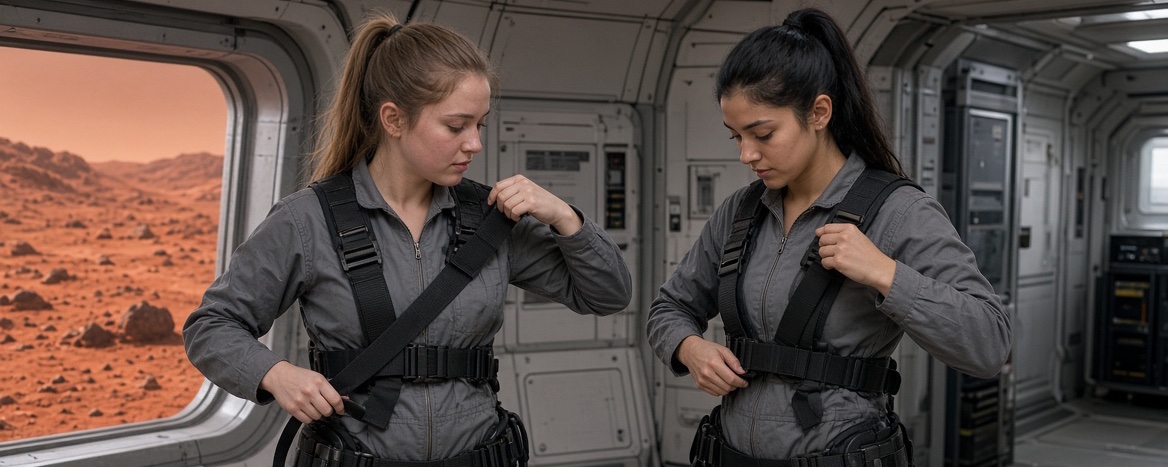
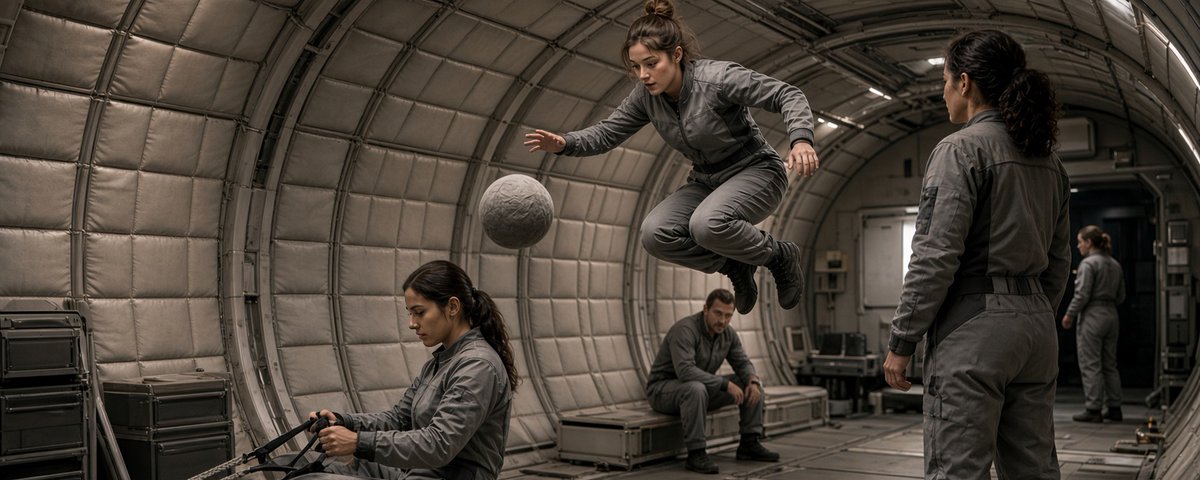
First-wave opened the pit. The boy already knew the rules. Katie’s inner ear filed a grievance and jumped anyway.


The string got longer. The roster already had the small name on it. Houston disagreed after the fact.
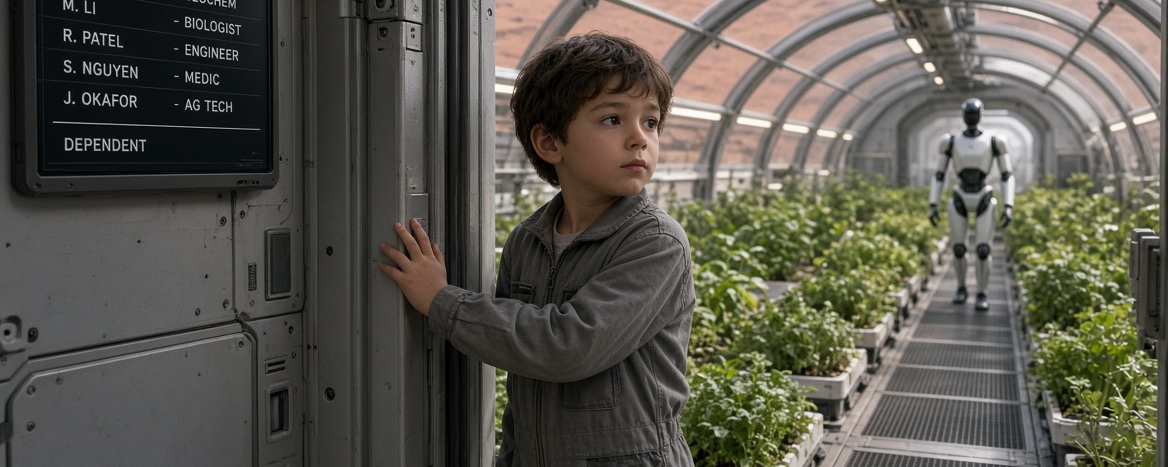
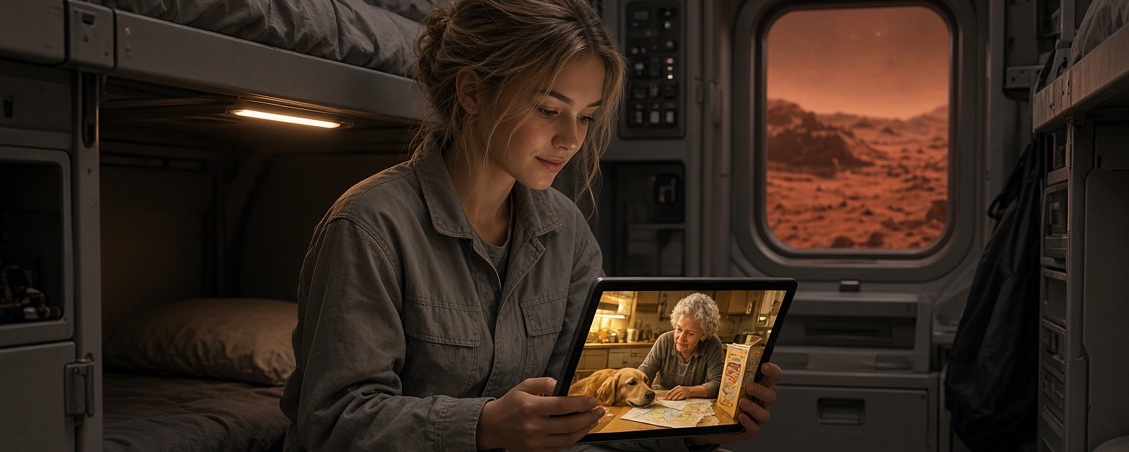


The flap had been to orbit four times. The dust had been here the whole time. The dome was not a drawing.
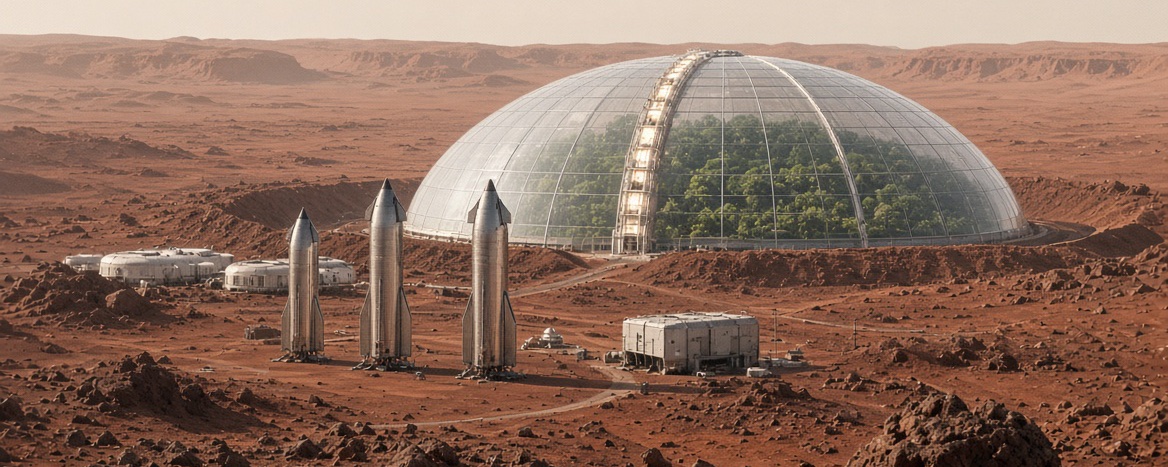

They did not kiss nose-to-nose. They parked like two silver whales and passed the tea through the belly. Also there were twelve other ships, and Katie’s inner ear filed a union grievance.
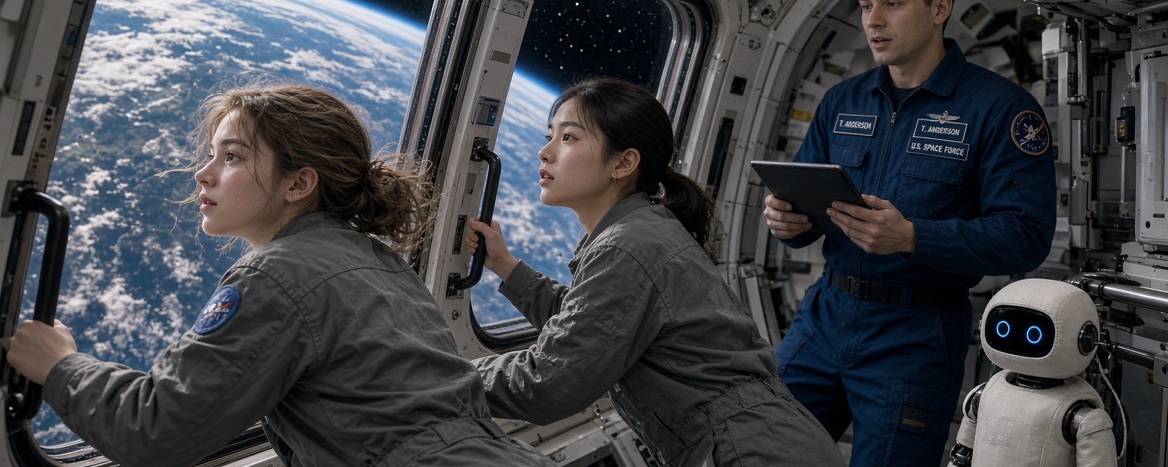
They could have gotten off the rocket. The Committee would have given the seats to someone else before morning.

Chapter 1: Emerald City in case you missed it
xitter.cf/GeraldFoy2/status/2100…
Ten years after the first Starship, two eighteen-year-olds look out an airplane window at a swamp full of rockets and decide it looks like Oz.
Chapter 2 is up: What Nevada Kept.
xitter.cf/GeraldFoy2/status/2100…
@NASAAdmin GROK and I were musing on why you and @NASA struggle with your outreach this is a short version of a longer post.
NASA produces excellent content. The real problem is distribution.
Before the internet, people stayed “in the loop” through small interest networks. The NASA fan kept other NASA fans updated. You didn’t have to go looking — relevant stuff found you.
Search made information available on demand, but it killed the push side of those loops. AI is even better at answering questions… as long as you remember to ask.
What’s still missing is a modern version of those old loops: something that notices what you care about and quietly keeps you current. Without it, even good ideas and great content stay invisible to most of the people who would actually care — especially younger audiences.
To test let’s tag a few NASA accounts and see if anyone in this loop actually reads it
@NASASpox @NASADepAdmin @NASAKennedy @NASASocial @NASAJohnson @NASAMoonBase @nasahqphoto
This is basically the idea distilled into a practical product.
A simple NASA Loop app could work like this:
• You download it and pick the topics you care about (Artemis, Mars rovers, ISS, Earth science, launches, student challenges, specific centers, etc.).
• It quietly sends occasional push notifications only for those topics — not a constant firehose.
• Tapping the notification takes you straight to a short video, image, article, livestream, or deeper page.
• Over time it could learn what you actually open and refine what it sends.
That would recreate the old “someone who shares my interest keeps me updated” feeling, but at scale and without needing personal connections.
Pieces of this already exist in scattered form:
• Spot the Station does push alerts for ISS passes.
• Some NASA apps and email lists send updates.
• Social media follows give you a stream if you check them.
But nothing currently does the clean, personalized, low-noise “interest loop” version you’re describing. Most official channels still lean toward broadcasting everything to everyone, which is why people who only care about certain topics tune out.
An app like that wouldn’t solve every outreach problem, but it would directly address the gap we’ve been talking about: making good content find the people who would actually care about it, instead of forcing them to go hunting for it every time
This is the longer version
Before the internet, information lived in social circles. You didn’t need to know everything yourself — you needed to know who knew. The person who always ate out became the restaurant loop. The NASA fan became the space loop. Staying “in the loop” meant maintaining those relationships and occasionally getting pushed updates without asking. It was inefficient but human-scaled and surprisingly effective.
Google flattened that. Suddenly the information existed independently of the people. You no longer needed the NASA friend; you could just search. That was a massive upgrade in access, but it also broke the push side of the old system. Information became available on demand, which means it only reaches you when you remember to go looking for it.
AI sits in an odd middle place right now. It can pull together far more context and explanation than any single person in the old network could. But it’s still mostly reactive — you have to open the conversation and ask. It doesn’t wake up and say “hey, two launches today and the Artemis timeline just shifted.”
NASA’s problem is a classic version of this. They produce excellent content — rover updates, launch coverage, science results, student challenges, imagery — but the distribution is fragmented across dozens of accounts, apps, websites, and platforms. The people who already care know where to look. The people who might care, especially younger ones, often never get the unprompted nudge that would pull them in. The old human loops that used to do that work have largely dissolved, and nothing coherent has fully replaced them.
A dedicated “NASA loop” that proactively surfaces the right things to the right people is an interesting idea. In practice it would look less like one giant feed and more like smart, opt-in systems: launch alerts with context, short youth-friendly explainers, personalized digests based on what you’ve shown interest in, and occasional “here’s something you might not have seen” suggestions.
Some pieces already exist in scattered form, but nothing that feels like a coherent, intelligent loop that learns what keeps you interested and quietly keeps you current. Without that, even good ideas and great content stay invisible to most of the people who would actually care.
