

Improving access to data about Greece
Joined July 2024
- Tweets746
- Following6
- Followers64
- Likes0


Attica has 867 doctors per 100,000 inhabitants, 30% above the national average. In the North and South Aegean, Western Macedonia and Central Greece, there are fewer than 400 doctors per 100,000 inhabitants.

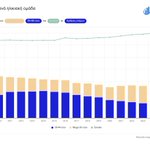
The total number of hospital beds fell from approximately 54,000 in 2009 to 44,000 in 2024. This represents a decline of around 19% over 15 years.


Healthcare resources: Doctors, hospitals and hospital beds
#greeceinnumbers
greeceinnumbers.com/en-gb/Pu…
In 2024, Greece had 70,000 doctors, 14,000 dentists and 25,000 nurses.

Πόροι υγείας: Γιατροί, νοσοκομεία και νοσοκομειακές κλίνες
#greeceinnumbers
greeceinnumbers.com/el/Publi…
Το 2024, η Ελλάδα είχε 70 χιλιάδες γιατρούς, 14 χιλιάδες οδοντιάτρους και 25 χιλιάδες νοσηλευτές.

Ο συνολικός αριθμός νοσοκομειακών κλινών μειώθηκε από περίπου 54 χιλιάδες το 2009 σε 44 χιλιάδες το 2024. Πρόκειται για μείωση περίπου 19% μέσα σε 15 χρόνια.

Income inequality in Greece
#greeceinnumbers
greeceinnumbers.com/en-gb/Li…
The richest 20% of the population (Q5) receives almost 40% of total disposable income, that is income after taxes and social contributions, including pensions and social benefits

The Gini coefficient measures overall income inequality, ranging from 0 (perfect equality) to 100 (maximum inequality). In 2025, it stood at 31.6, significantly below its levels during the economic crisis.
