

We're a network of consumers, patients, businesses, providers & neighbors across the U.S. that support market-based solutions & choice in American health care.
Washington, DC
Joined April 2012
- Tweets7.9K
- Following2.1K
- Followers1.1K
- Likes1.1K
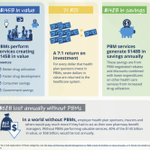








A new report looks at the impact that mandates targeting the tools deployed by PBMs to control costs for their customers would have on employers and health plans – in other words, limiting choice and adding new administrative costs.
Learn more here: bit.ly/4t8jhAW
1️⃣ Ever wonder why medical bills keep rising? One reason: where care happens. A hospital outpatient department often costs much more than a clinic or doctor’s office for the exact same service. 🏥➡️🏢
5️⃣ That shifts doctors’ incentives from high volume to better results for patients. Healthier patients, smarter spending. 👩⚕️👨⚕️
6️⃣ Bottom line: we already know how to cut costs without cutting quality. Site-neutral payments, faster access to affordable medicines, and value-based care are proven steps to make health care more affordable and better. #AffordableCare #QualityCare
1️⃣ Prior authorization has been around for years. The goal: making sure people get the right care, at the right time, in the right setting.
8️⃣ And to be clear: AI is being used to speed up approvals, not deny care. Final decisions about denials are always made by licensed clinicians.
📊 A national NORC survey of ~700 employers finds strong satisfaction with PBMs—on transparency, flexibility & savings. PBMs help manage drug costs while employers tailor benefits to their workforce. Learn more: bit.ly/42lMEnI
AHIP warns 2026 premiums face pressure from medical inflation, drug costs, regulatory shifts & a potential end to enhanced tax credits—with Open Enrollment on Nov 1. Meanwhile, CSRxP: generics/biosimilars saved $467B in 2024. Congress should act.
🔗 bit.ly/4gpb71i

Provider consolidation + growing demand for GLP-1s are shaping tomorrow’s premiums. The time to act is today to protect affordability in 2026. Read AHIP’s analysis: bit.ly/4gpb71i
Congress has a window to keep coverage affordable by extending enhanced premium tax credits. Delay means higher 2026 costs for millions of families. Details from AHIP: bit.ly/4gpb71i