

Physical Perf Coach. Experiences inc Houston Astros, Eng/Team GB 7s, Founded Collaborate Sports to develop practitioners. Join the Group Mentorship Programmes
London, UK
Joined August 2011
- Tweets9.6K
- Following2.3K
- Followers8.1K
- Likes7.6K



When coaches in our group started comparing their fastest athletes with their most effective ones...
😕 They weren’t always the same people
😕 Some of the quickest sprinters were still a step behind the play
So where do you think the biggest opportunity is?

When a coach showed us the programme he’d spent hours perfecting...
😕 It was brilliant on paper
😕 It just didn’t survive contact with a real week
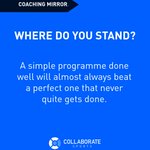
🎯 The better programme was the one we got the athletes to actually complete.
Simple and done, or perfect and planned?

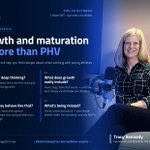
Youth physical development is more than just PHV, aspects like cognitive and behavioural development also come into play.
Join us next week for free - limited spaces - collaboratesports.com/webina…

Join us in Hertfordshire this time next week for a practical and experiential learning workshop all about gamespeed, and how to embed it within your coaching processes and optimise drill design.
collaboratesports.com/worksh…

Dan Howells retweeted

I think it comes down to the question you’re trying to answer.
In the context of recruitment, comparing an athlete to norms from your own cohort can be useful. And when you consider how trainable the qualities you’re looking at are you get a sense of where someone is now vs where they could get to.
Once the athlete is in your environment, norms become less useful. Here, it makes more sense to focus on their individual baseline and track changes over time.
As with anything, you still need apples to apples regardless the context to start with.
Dan Howells retweeted

Same.The data sets are much better than they used to be but that being said, so many frameworks and “good practice” is built on small groups of very specific cohorts
And so many sports and gen pop could do with more specific filters around demographic norms too.
When a coach I supported flagged an athlete as “below standard”... I challenged him with "Are they?"
😕 The standard came from research...
😕 The comparison was against a different demographic...
😕 No comparisons were made to her peers...
Where do you stand? 👇

When a youth coach told me his athletes were losing motivation, we looked deeper at systems and processes...
😕 They were testing constantly
😕 And the numbers were starting to run the sessions or programs
😕 Athletes weren't engaing with coaches
Where do you stand? 👇


And com 28th October, we get after more practical learning as we start our regional workshops with this same learning model
Gamespeed design with @RuthWaghorn - @PerformHerts 28th October 6-9pm
Join us: collaboratesports.com/worksh…


The best way to learn is by doing and we did just that in July in 📍 London with Collaborate Sports
Collaborate 360 wasn't a lecture day. It was a room full of coaches working through real-life training applications, hands on, with open conversation the whole time. Running sprints, analyzing the Force-Velocity Profile together, talking through program design, and more
Good people, great venue, and a better day. A big shoutout to @HowellsDan for making it happen 👊


Dan Howells retweeted

The best way to learn is by doing and we did just that in July in 📍 London with Collaborate Sports
Collaborate 360 wasn't a lecture day. It was a room full of coaches working through real-life training applications, hands on, with open conversation the whole time. Running sprints, analyzing the Force-Velocity Profile together, talking through program design, and more
Good people, great venue, and a better day. A big shoutout to @HowellsDan for making it happen 👊
Dan Howells retweeted
Should you treat injured youth athletes like mini adults?
No - the physiology, neurology, maturation rates, and hormones differ
We discuss this tomorrow evening in a roundtable with expert youth physio Dan Elais - free to join, using the link below
collaboratesports.com/webina…

Should you treat injured youth athletes like mini adults?
No - the physiology, neurology, maturation rates, and hormones differ
We discuss this tomorrow evening in a roundtable with expert youth physio Dan Elais - free to join, using the link below
collaboratesports.com/webina…
New podcast Episode!
1/3 Tom Clough lost a job by playing it cool.
Feedback afterwards: "I didn't think you were bothered."
The answer was never the problem. The energy was.

2/3 3 takeaways from the chat with Tom Clough:
🎯 Energy has to show, not just exist
🎯 If the job is coaching, someone needs to see them coach them
🎯 Feedback is a blind-spot finder, not an attack
3/3 What's the interview or hiring mistake you've made that actually changed how you do things now?
#StrengthAndConditioning #SportsScience #CoachDevelopment
comment 'Pod' for show links!
Coaches make more than fifty decisions a day. Programme changes, calls for appropriate loading, which exercises to keep in, and which ones to remove!
How many of those do you find making alone? So, how many are you sure are the right call?
Another reason I built Collaborate 360 the way it's shaping up to be: built to put your actual decisions in front of people who’ll challenge them.
All set in a safe space for exploration, and a low-pressure environment to prevent you from holding back from brave decisions.