

A poetic response to my intuition. Podcaster. Ideas on Art, Propaganda, Ramen, Incentives, Media.
Austin
Joined August 2024
- Tweets1.6K
- Following818
- Followers274
- Likes7.2K




Sky King retweeted

“Imagination is the organizing force of his entire life.”

A few surprising things I learned from reading about Eiichrio Oda, the creator of One Piece:
1. He slept 3 hours a night for 15 years.
2. He created the most successful manga of all time with more than 600 million copies in circulation.
3. He said he would have missed his parent’s funeral because it conflicted with his work.
4. He is extremely private. He does not allow his face to be photographed and when he appears on video he has a giant fish avatar placed on his head.
5. When he hires a new editor the first thing he says to them is you need to be willing to die for One Piece.
6. His editor said he might someday encounter a writer more talented than Oda but he would never meet anyone who worked harder.
7. He doesn’t want ideas, he wants criticism.
8. He would hand draw entire Disney animated movies to learn how to give his characters emotion.
9. He said he only saw his family once a week because family time was too relaxing.
10. He holds the Guinness World Record for the most copies published for the same comic book series by a single author.
11. He is often described as a maniac due to his unbelievable work ethic and inhuman daily habits.
12. He believes in having the least number of people possible touching the work.
13. He says he gets his best ideas by not sleeping or eating. He says humans can only come up with truly new ideas when they reach their limit.
14. He started working on One Piece when he was 22. He is still working on it at 51.
15. He once spent 12 consecutive hours on the telephone discussing a single story with his editor.
16. He has an extreme tolerance for repetition.
17. Imagination is the organizing force of his entire life.
18. He's a perfectionist who has repeatedly admitted that he cannot make himself work in a more efficient way, even when he desperately wants to.
19. He never finishes before a deadline. He equates using every available minute with giving his maximum effort.
20. He believes it’s impossible to create something great unless you do everything yourself, attend to every detail, and test it exhaustively.
21. He believes the more experience he has the harder it is to create.
22. He was 4 when he decided to be a manga artist. He said he wanted to avoid ever having to get a real job.
23. He creates his work for an audience of exactly one person: himself at 15 years old.
25. He has dedicated his entire adult life to writing a story about freedom and adventure, while accepting an extraordinarily restrictive life in order to create it.
26. To this day he does not feel successful.
--
Eiichiro Oda is a relentlessly obsessive creative genius who has devoted nearly every waking hour of his adult life to building one of the most extraordinary fictional universes ever imagined. You don't want to miss this episode:
Sky King retweeted
“His editor said he might someday encounter a writer more talented than Oda, but he would never meet anyone who worked harder.”
A few surprising things I learned from reading about Eiichrio Oda, the creator of One Piece:
1. He slept 3 hours a night for 15 years.
2. He created the most successful manga of all time with more than 600 million copies in circulation.
3. He said he would have missed his parent’s funeral because it conflicted with his work.
4. He is extremely private. He does not allow his face to be photographed and when he appears on video he has a giant fish avatar placed on his head.
5. When he hires a new editor the first thing he says to them is you need to be willing to die for One Piece.
6. His editor said he might someday encounter a writer more talented than Oda but he would never meet anyone who worked harder.
7. He doesn’t want ideas, he wants criticism.
8. He would hand draw entire Disney animated movies to learn how to give his characters emotion.
9. He said he only saw his family once a week because family time was too relaxing.
10. He holds the Guinness World Record for the most copies published for the same comic book series by a single author.
11. He is often described as a maniac due to his unbelievable work ethic and inhuman daily habits.
12. He believes in having the least number of people possible touching the work.
13. He says he gets his best ideas by not sleeping or eating. He says humans can only come up with truly new ideas when they reach their limit.
14. He started working on One Piece when he was 22. He is still working on it at 51.
15. He once spent 12 consecutive hours on the telephone discussing a single story with his editor.
16. He has an extreme tolerance for repetition.
17. Imagination is the organizing force of his entire life.
18. He's a perfectionist who has repeatedly admitted that he cannot make himself work in a more efficient way, even when he desperately wants to.
19. He never finishes before a deadline. He equates using every available minute with giving his maximum effort.
20. He believes it’s impossible to create something great unless you do everything yourself, attend to every detail, and test it exhaustively.
21. He believes the more experience he has the harder it is to create.
22. He was 4 when he decided to be a manga artist. He said he wanted to avoid ever having to get a real job.
23. He creates his work for an audience of exactly one person: himself at 15 years old.
25. He has dedicated his entire adult life to writing a story about freedom and adventure, while accepting an extraordinarily restrictive life in order to create it.
26. To this day he does not feel successful.
--
Eiichiro Oda is a relentlessly obsessive creative genius who has devoted nearly every waking hour of his adult life to building one of the most extraordinary fictional universes ever imagined. You don't want to miss this episode:
Sky King retweeted
A few surprising things I learned from reading about Eiichrio Oda, the creator of One Piece:
1. He slept 3 hours a night for 15 years.
2. He created the most successful manga of all time with more than 600 million copies in circulation.
3. He said he would have missed his parent’s funeral because it conflicted with his work.
4. He is extremely private. He does not allow his face to be photographed and when he appears on video he has a giant fish avatar placed on his head.
5. When he hires a new editor the first thing he says to them is you need to be willing to die for One Piece.
6. His editor said he might someday encounter a writer more talented than Oda but he would never meet anyone who worked harder.
7. He doesn’t want ideas, he wants criticism.
8. He would hand draw entire Disney animated movies to learn how to give his characters emotion.
9. He said he only saw his family once a week because family time was too relaxing.
10. He holds the Guinness World Record for the most copies published for the same comic book series by a single author.
11. He is often described as a maniac due to his unbelievable work ethic and inhuman daily habits.
12. He believes in having the least number of people possible touching the work.
13. He says he gets his best ideas by not sleeping or eating. He says humans can only come up with truly new ideas when they reach their limit.
14. He started working on One Piece when he was 22. He is still working on it at 51.
15. He once spent 12 consecutive hours on the telephone discussing a single story with his editor.
16. He has an extreme tolerance for repetition.
17. Imagination is the organizing force of his entire life.
18. He's a perfectionist who has repeatedly admitted that he cannot make himself work in a more efficient way, even when he desperately wants to.
19. He never finishes before a deadline. He equates using every available minute with giving his maximum effort.
20. He believes it’s impossible to create something great unless you do everything yourself, attend to every detail, and test it exhaustively.
21. He believes the more experience he has the harder it is to create.
22. He was 4 when he decided to be a manga artist. He said he wanted to avoid ever having to get a real job.
23. He creates his work for an audience of exactly one person: himself at 15 years old.
25. He has dedicated his entire adult life to writing a story about freedom and adventure, while accepting an extraordinarily restrictive life in order to create it.
26. To this day he does not feel successful.
--
Eiichiro Oda is a relentlessly obsessive creative genius who has devoted nearly every waking hour of his adult life to building one of the most extraordinary fictional universes ever imagined. You don't want to miss this episode:
What if the greatest magic trick isn't making something disappear, but making you question everything you believe is real? Magician Michael Rogerson doesn't just want to entertain people. He wants to break their understanding of reality. And after hearing his stories about emotional breakdowns, mind-bending illusions, and the psychology behind human behavior, you start to understand why.
Michael and I dive into consciousness, free will, UFOs, psychedelics, and the hidden psychology of magic. We unpack how David Blaine changed the industry, why people are more predictable than they realize, and how a simple card trick can trigger something that feels almost spiritual. He even does a few tricks on me live. I still don’t know how he did the last one.
Listen to the full uncensored episode at: tokidoki.wtf/skmpmagic
01:05 Beyond Magic Tricks
02:37 Marfa Lights And UFOs
05:00 Mastering Human Attention
07:09 Predicting Human Behavior
10:16 The Best Reactions
12:09 Unforgettable Magic
14:45 Types Of Magicians
17:10 David Blaine's Extremes
23:19 Live Podcast Magic Tricks
28:35 Questioning Free Will
31:17 Discovering Magic
35:19 Secret Magician Circles
37:42 Private Feed

We should just start calling the cybercabs Decentralized Trains.
They don’t really feel like cars, they feel like transportation.
Rewatching Cyberpunk: Edgerunners and I’m blown away by how much of The Floating World was inspired by Edgerunners.
I had seen it previously, but it didn’t cross my mind once when I was writing the lore.
Some art just hits you that deep and stays.
The market is the message

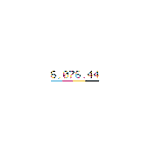
credits is an artwork about belief
each credit was created from a private payment - an $8 transaction on x money
each transaction id, originally visible only to sender and recipient, was converted to a sha-256 hash to create an artwork made of four 8x8 printing plates in cmyk (cyan, magenta, yellow and black)
the transaction id and settlement timestamp became public source data for the onchain artwork
the x money transaction settlement time (in seconds) determined which plates print - there are 15 different possible combinations of cmyk, so this process repeats 4 x per minute
if the original transaction id contained an 8, the resulting artwork metadata keeps track of each
the rarity calculation considers the color combination, the number of active pixels, the space they occupy after the plates shift, the number of 8s in the transaction id, and the registration of the plates
these qualities are measured against the completed collection and translated into a credit rating between 80 and 800
the rating measures those traits - it cannot account for every reason someone might value an image
the rating is fixed - the price is whatever someone is willing to pay
80 credits can be burned to create a statement
the collector chooses which credits to use and how to arrange them - their individual ratings are added together, and their colors become the material of the new artwork
a statement can take different visual forms without changing its rating
statements can also be overprinted - one is burned into another, combining their ink, ratings and histories
balance is the proposed next form
under this design, a statement can be permanently surrendered for its rating in divisible erc-20 tokens - one point becomes one balance
the statement is locked rather than destroyed - its artwork and history remain, but it can no longer be transferred
its quantity and color composition can move independently
each receiving wallet gets one non-transferable erc-721 artwork
the artwork stays with the wallet and reads its current balance of the transferable erc-20 token
the tokens move - the artwork updates
if the wallet holds nothing, the artwork remains and displays zero
when balances meet, their colors mix in proportion to the amounts received - when they split, each part carries a share of that mixture
the colors preserve an aggregate ancestry, not a traceable list of individual credits or statements
exchange custody can mix them further - a buyer may receive the exchange’s mixture rather than the particular colors a seller deposited
someone who never owned a credit or a statement can inherit their colors
credits, statements and balances can exist at the same time
some people keep the individual marks, some compose them into pages, and some surrender the page for something they can divide and exchange
others may simply prefer the balance artwork
composition reduces the number of surviving credits, overprinting reduces the number of surviving statements, and surrender moves statements out of circulation while releasing their accumulated rating as balance
the appetite for liquidity becomes one of the forces shaping all three collections
but making something divisible does not mean someone will want to buy it - actual liquidity still requires buyers and funded markets
balance offers divisibility, not a promise of demand
the market becomes a medium - its activity changes the distribution of the work, and when trading stops, that distribution remains
the price can disappear, the artwork cannot

This is a perfect example of doing things that appear to be evil, but actually are good.
*I have not looked into this deeper than the the tweet I quoted fwiw.

Why did all of these people only get $15 on X money and not $25?
I feel like I am being Mandelad in real time.
My podcast studio made it

All-In Summit: Bill Gurley
(0:00) Bill Gurley takes the stage at the All-In Summit
(1:29) Bill's Presentation: Searching for Feynman
Links to additional resources mentioned in talk and used in research:
p3.institute/searching_for_f…
@bgurley


As a parent in Texas you realize the difference between 102 degrees and 92 degrees.
Texas winter is ending!
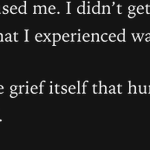
I loved this bit from @jonnym1ller essay on Unclenching.
This perfectly puts into words what it was like to feel my dad go.
I was unabashedly sobbing, grinning, and laughing.
Crushed by him leaving, but overwhelmingly joyful at the opportunity to have experienced him as my father.


After months of writing, 'How to Unclench' is finally live!
It's an interactive essay packed with stories, science & guided practices to help you unclench.
→ howtounclench.com
