

Tracking humanity's return to the Moon 🌕/Daily space tech & orbital news 🚀
Low Earth Orbit 🛰️
Joined February 2025
- Tweets1.4K
- Following53
- Followers62
- Likes676







“𝐓𝐡𝐞 𝐧𝐢𝐭𝐫𝐨𝐠𝐞𝐧 𝐢𝐧 𝐨𝐮𝐫 𝐃𝐍𝐀, 𝐭𝐡𝐞 𝐜𝐚𝐥𝐜𝐢𝐮𝐦 𝐢𝐧 𝐨𝐮𝐫 𝐭𝐞𝐞𝐭𝐡, 𝐭𝐡𝐞 𝐢𝐫𝐨𝐧 𝐢𝐧 𝐨𝐮𝐫 𝐛𝐥𝐨𝐨𝐝 𝐰𝐞𝐫𝐞 𝐦𝐚𝐝𝐞 𝐢𝐧 𝐭𝐡𝐞 𝐢𝐧𝐭𝐞𝐫𝐢𝐨𝐫𝐬 𝐨𝐟 𝐜𝐨𝐥𝐥𝐚𝐩𝐬𝐢𝐧𝐠 𝐬𝐭𝐚𝐫𝐬. 𝐖𝐞 𝐚𝐫𝐞 𝐦𝐚𝐝𝐞 𝐨𝐟 𝐬𝐭𝐚𝐫𝐬𝐭𝐮𝐟𝐟.”
— Carl Sagan
8
𝐒𝐩𝐚𝐜𝐞𝐗 𝐣𝐮𝐬𝐭 𝐫𝐞𝐥𝐞𝐚𝐬𝐞𝐝 𝐞𝐩𝐢𝐜 𝐧𝐞𝐰 𝐟𝐨𝐨𝐭𝐚𝐠𝐞 𝐨𝐟 𝐄𝐥𝐨𝐧 𝐌𝐮𝐬𝐤 𝐚𝐧𝐝 𝐭𝐡𝐞 𝐭𝐞𝐚𝐦 𝐰𝐢𝐭𝐡 𝐒𝐡𝐢𝐩 𝟒𝟐—𝐭𝐡𝐞 𝐟𝐢𝐫𝐬𝐭 𝐒𝐭𝐚𝐫𝐬𝐡𝐢𝐩 𝐢𝐧 𝐡𝐢𝐬𝐭𝐨𝐫𝐲 𝐜𝐚𝐮𝐠𝐡𝐭 𝐦𝐢𝐝-𝐚𝐢𝐫 𝐚𝐟𝐭𝐞𝐫 𝐫𝐞𝐭𝐮𝐫𝐧𝐢𝐧𝐠 𝐟𝐫𝐨𝐦 𝐨𝐫𝐛𝐢𝐭. 📸🚀
After 14 orbits and 22.5 hours in space, this spacecraft flew back to Starbase and landed straight into Mechazilla’s giant mechanical arms[cite: 14, 15].
Look at the people behind the machine. This is what turning science fiction into daily aviation looks like. ✨🔥
The road to Mars is scaling up fast. 🪐✨

20
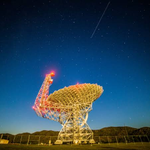
𝐓𝐨𝐝𝐚𝐲’𝐬 𝐍𝐀𝐒𝐀 𝐀𝐬𝐭𝐫𝐨𝐧𝐨𝐦𝐲 𝐏𝐢𝐜𝐭𝐮𝐫𝐞 𝐨𝐟 𝐭𝐡𝐞 𝐃𝐚𝐲 𝐢𝐬 𝐩𝐮𝐫𝐞 𝐠𝐨𝐨𝐬𝐞𝐛𝐮𝐦𝐩𝐬: 𝐚 𝐥𝐢𝐯𝐞 𝐫𝐚𝐝𝐢𝐨 𝐰𝐡𝐢𝐬𝐩𝐞𝐫 𝐟𝐫𝐨𝐦 𝐕𝐨𝐲𝐚𝐠𝐞𝐫 𝟏, 𝟐𝟔 𝐛𝐢𝐥𝐥𝐢𝐨𝐧 𝐤𝐦 𝐚𝐰𝐚𝐲. 📡🌌
Just days after crossing the 1 light-day milestone from Earth, humanity’s farthest traveler sent back its faint call sign "V-G-R"—captured by the massive 100-meter Green Bank Telescope.
Think about what this means:
⏱️ That radio wave traveled at the speed of light for 24 full hours just to reach our dish.
📻 It comes from a 23-watt transmitter launched in 1977—with less power than a refrigerator lightbulb.
Still alive.
Still whispering back from interstellar space. 🛰️✨

1
52
𝐒𝐩𝐚𝐜𝐞𝐗 𝐣𝐮𝐬𝐭 𝐜𝐚𝐮𝐠𝐡𝐭 𝐚 𝐒𝐭𝐚𝐫𝐬𝐡𝐢𝐩 𝐫𝐞𝐭𝐮𝐫𝐧𝐢𝐧𝐠 𝐟𝐫𝐨𝐦 𝐨𝐫𝐛𝐢𝐭—𝐚𝐧𝐝 𝐄𝐥𝐨𝐧 𝐌𝐮𝐬𝐤 𝐢𝐬 𝐚𝐥𝐫𝐞𝐚𝐝𝐲 𝐛𝐮𝐢𝐥𝐝𝐢𝐧𝐠 𝐚𝐧 𝐞𝐯𝐞𝐧 𝐛𝐢𝐠𝐠𝐞𝐫 𝐯𝐞𝐫𝐬𝐢𝐨𝐧. 🚀🔥
If you think the 33 Raptor engines on the Super Heavy booster look wild, check out what’s coming next with Starship V4:
📏 70 meters long (40% taller upper stage)
⛽ 60% more propellant capacity
🔥 9 Raptor engines on the ship alone
The road to Mars is scaling up fast. 🪐✨

29
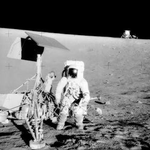
“𝐈𝐭 𝐬𝐮𝐝𝐝𝐞𝐧𝐥𝐲 𝐬𝐭𝐫𝐮𝐜𝐤 𝐦𝐞 𝐭𝐡𝐚𝐭 𝐭𝐡𝐚𝐭 𝐭𝐢𝐧𝐲 𝐩𝐞𝐚, 𝐩𝐫𝐞𝐭𝐭𝐲 𝐚𝐧𝐝 𝐛𝐥𝐮𝐞, 𝐰𝐚𝐬 𝐭𝐡𝐞 𝐄𝐚𝐫𝐭𝐡. 𝐈 𝐩𝐮𝐭 𝐮𝐩 𝐦𝐲 𝐭𝐡𝐮𝐦𝐛 𝐚𝐧𝐝 𝐬𝐡𝐮𝐭 𝐨𝐧𝐞 𝐞𝐲𝐞, 𝐚𝐧𝐝 𝐦𝐲 𝐭𝐡𝐮𝐦𝐛 𝐛𝐥𝐨𝐭𝐭𝐞𝐝 𝐨𝐮𝐭 𝐭𝐡𝐞 𝐩𝐥𝐚𝐧𝐞𝐭 𝐄𝐚𝐫𝐭𝐡. 𝐈 𝐝𝐢𝐝𝐧'𝐭 𝐟𝐞𝐞𝐥 𝐥𝐢𝐤𝐞 𝐚 𝐠𝐢𝐚𝐧𝐭. 𝐈 𝐟𝐞𝐥𝐭 𝐯𝐞𝐫𝐲, 𝐯𝐞𝐫𝐲 𝐬𝐦𝐚𝐥𝐥.”
— Neil Armstrong, standing on the Moon, looking back at everything humanity has ever known. 🌍✨

28
𝐀𝐬𝐭𝐫𝐨𝐧𝐨𝐦𝐞𝐫𝐬 𝐣𝐮𝐬𝐭 𝐜𝐚𝐩𝐭𝐮𝐫𝐞𝐝 𝐚 𝐛𝐫𝐚𝐧𝐝-𝐧𝐞𝐰 𝐬𝐮𝐩𝐞𝐫𝐧𝐨𝐯𝐚 𝐞𝐱𝐩𝐥𝐨𝐝𝐢𝐧𝐠 𝟓𝟎 𝐦𝐢𝐥𝐥𝐢𝐨𝐧 𝐥𝐢𝐠𝐡𝐭-𝐲𝐞𝐚𝐫𝐬 𝐚𝐰𝐚𝐲. 💥🌌
The wildest part? This star actually died when early mammals were just starting to recover after the dinosaurs went extinct—and its light only reached our telescopes today.
In space, every glance through a lens is a literal trip back in time. ✨🔭

31
𝐇𝐢𝐬𝐭𝐨𝐫𝐲 𝐢𝐬 𝐡𝐚𝐩𝐩𝐞𝐧𝐢𝐧𝐠 𝐭𝐨𝐝𝐚𝐲: 𝐍𝐀𝐒𝐀’𝐬 𝐕𝐨𝐲𝐚𝐠𝐞𝐫 𝟏 𝐣𝐮𝐬𝐭 𝐫𝐞𝐚𝐜𝐡𝐞𝐝 𝟏 𝐥𝐢𝐠𝐡𝐭-𝐝𝐚𝐲 𝐟𝐫𝐨𝐦 𝐄𝐚𝐫𝐭𝐡. 🛰️✨
After nearly 50 years of non-stop flight since September 1977, humanity’s farthest ambassador is now 25.9 billion kilometers (16 billion miles) away.
⏱️ From this moment on, even a beam of light takes a full 24 hours to travel from Earth to the spacecraft.
📡 A simple "hello, are you there?" now takes 48 hours for a round-trip reply.
A 1970s probe with less memory than your car key fob is still whispering back from interstellar space. 🌌

35
Nearly 50 years at 60,000+ km/h just to cover a single day for light. A 48-hour round-trip conversation with a 23-watt transmitter—and a humbling reminder of just how vast the cosmic ocean really is. 🌌🛰️

On 18 November 2026, NASA's Voyager 1 will become the first human-made object to reach a distance of one light-day from Earth, approximately 25.9 billion kilometres.
Launched on 5 September 1977, the spacecraft's signals will now require a full 24 hours to reach us.

1
38
I just wrote a deep dive on this exact contrast—how SpaceX is making orbit routine while Voyager 1 reminds us how vast the Universe really is. Read it here 👇 teapaw.org/Kyziach/status/2122648…

20
𝐒𝐩𝐚𝐜𝐞𝐗 𝐢𝐬 𝐜𝐚𝐭𝐜𝐡𝐢𝐧𝐠 𝐫𝐨𝐜𝐤𝐞𝐭𝐬 𝐦𝐢𝐝-𝐚𝐢𝐫—𝐲𝐞𝐭 𝐕𝐨𝐲𝐚𝐠𝐞𝐫 𝟏 𝐭𝐨𝐨𝐤 𝟓𝟎 𝐲𝐞𝐚𝐫𝐬 𝐣𝐮𝐬𝐭 𝐭𝐨 𝐫𝐞𝐚𝐜𝐡 𝟏 𝐥𝐢𝐠𝐡𝐭-𝐝𝐚𝐲 𝐟𝐫𝐨𝐦 𝐄𝐚𝐫𝐭𝐡. 🚀⏳
We are the first generation living on the edge of two worlds: one where Mars is within reach, and another where the Universe endlessly runs away. 🌌
👉 Read the full story: "The Day Space Became Closer—and Yet Infinitely Farther"
31
𝐇𝐢𝐬𝐭𝐨𝐫𝐲 𝐣𝐮𝐬𝐭 𝐡𝐚𝐩𝐩𝐞𝐧𝐞𝐝 𝐢𝐧 𝐓𝐞𝐱𝐚𝐬: 𝐒𝐩𝐚𝐜𝐞𝐗 𝐜𝐚𝐮𝐠𝐡𝐭 𝐚 𝟓𝟐-𝐦𝐞𝐭𝐞𝐫 𝐒𝐭𝐚𝐫𝐬𝐡𝐢𝐩 𝐮𝐩𝐩𝐞𝐫 𝐬𝐭𝐚𝐠𝐞 𝐢𝐧 𝐦𝐢𝐝-𝐚𝐢𝐫 𝐚𝐟𝐭𝐞𝐫 𝐫𝐞𝐭𝐮𝐫𝐧𝐢𝐧𝐠 𝐟𝐫𝐨𝐦 𝐨𝐫𝐛𝐢𝐭. 🚀🦾
During Flight 15, 𝐒𝐡𝐢𝐩 𝟒𝟐 completed 14 orbits around Earth, survived fiery atmospheric reentry, and flew straight back into the arms of the launch tower—a world first for an orbital spacecraft.
🔥 𝐅𝐮𝐥𝐥 𝐑𝐞𝐮𝐬𝐚𝐛𝐢𝐥𝐢𝐭𝐲: Catching the actual orbital ship (with its heat shield intact) means it could theoretically fly again in just weeks.
🌊 𝐓𝐡𝐞 𝐓𝐰𝐢𝐬𝐭: While the ship nailed its catch, the Super Heavy booster ran low on fuel and had to self-destruct over the Gulf of Mexico.
𝐃𝐨 𝐲𝐨𝐮 𝐭𝐡𝐢𝐧𝐤 𝐰𝐞’𝐥𝐥 𝐬𝐞𝐞 𝐡𝐮𝐦𝐚𝐧𝐬 𝐟𝐥𝐲𝐢𝐧𝐠 𝐨𝐧 𝐒𝐭𝐚𝐫𝐬𝐡𝐢𝐩 𝐭𝐨 𝐭𝐡𝐞 𝐌𝐨𝐨𝐧 𝐛𝐞𝐟𝐨𝐫𝐞 𝟐𝟎𝟐𝟖? 👇

36
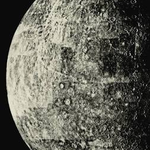
𝟏𝟖𝟔 𝐲𝐞𝐚𝐫𝐬 𝐨𝐟 𝐩𝐡𝐨𝐭𝐨𝐠𝐫𝐚𝐩𝐡𝐢𝐧𝐠 𝐭𝐡𝐞 𝐌𝐨𝐨𝐧. 🌑📸
Left: The very first photograph of space ever taken—a 20-minute exposure daguerreotype from a New York rooftop in 1840.
Right: NASA’s Lunar Reconnaissance Orbiter capturing our next landing site in ultra-high definition.

1
38
𝐄𝐯𝐞𝐫𝐲 𝐚𝐭𝐨𝐦 𝐢𝐧 𝐲𝐨𝐮𝐫 𝐛𝐨𝐝𝐲 𝐰𝐚𝐬 𝐟𝐨𝐫𝐠𝐞𝐝 𝐢𝐧𝐬𝐢𝐝𝐞 𝐭𝐡𝐞 𝐟𝐢𝐞𝐫𝐲 𝐡𝐞𝐚𝐫𝐭 𝐨𝐟 𝐚 𝐝𝐲𝐢𝐧𝐠 𝐬𝐭𝐚𝐫 𝐛𝐢𝐥𝐥𝐢𝐨𝐧𝐬 𝐨𝐟 𝐲𝐞𝐚𝐫𝐬 𝐚𝐠𝐨.
✨ You aren't just in the Universe—you are the Universe finally learning how to look back at itself. 🌌
1
1
76
𝐙𝐨𝐨𝐦 𝐨𝐮𝐭 𝐟𝐚𝐫 𝐞𝐧𝐨𝐮𝐠𝐡, 𝐚𝐧𝐝 𝐭𝐡𝐞 𝐞𝐧𝐭𝐢𝐫𝐞 𝐔𝐧𝐢𝐯𝐞𝐫𝐬𝐞 𝐬𝐭𝐨𝐩𝐬 𝐥𝐨𝐨𝐤𝐢𝐧𝐠 𝐥𝐢𝐤𝐞 𝐞𝐦𝐩𝐭𝐲 𝐬𝐩𝐚𝐜𝐞—𝐢𝐭 𝐥𝐨𝐨𝐤𝐬 𝐥𝐢𝐤𝐞 𝐚 𝐠𝐢𝐚𝐧𝐭, 𝐠𝐥𝐨𝐰𝐢𝐧𝐠 𝐛𝐫𝐚𝐢𝐧. 🧠🌌
Using the 𝐂𝐨𝐬𝐦𝐢𝐜 𝐎𝐫𝐢𝐠𝐢𝐧𝐬 𝐒𝐩𝐞𝐜𝐭𝐫𝐨𝐠𝐫𝐚𝐩𝐡 (𝐂𝐎𝐒) on the Hubble Space Telescope, astronomers mapped this colossal architecture: 𝐭𝐡𝐞 𝐂𝐨𝐬𝐦𝐢𝐜 𝐖𝐞𝐛.
🕸️ 𝐆𝐚𝐥𝐚𝐜𝐭𝐢𝐜 𝐇𝐢𝐠𝐡𝐰𝐚𝐲𝐬: Every dot of light you see isn't a star—it’s an entire galaxy. Invisible 𝐝𝐚𝐫𝐤 𝐦𝐚𝐭𝐭𝐞𝐫 acts like scaffolding, pulling trillions of galaxies into glowing filaments hundreds of millions of light-years long.
🕳️ 𝐓𝐡𝐞 𝐒𝐮𝐩𝐞𝐫𝐯𝐨𝐢𝐝𝐬: Those pitch-black gaps are cosmic voids—vast deserts so empty you could travel for 300 million light-years without hitting a single galaxy.
🔬 𝐑𝐞𝐚𝐝𝐢𝐧𝐠 𝐈𝐧𝐯𝐢𝐬𝐢𝐛𝐥𝐞 𝐆𝐚𝐬: Hubble’s COS instrument acts like a cosmic barcode scanner, analyzing UV light passing through cold interstellar gas to trace how our Milky Way and planetary systems formed from these threads.
𝐎𝐮𝐫 𝐞𝐧𝐭𝐢𝐫𝐞 𝐠𝐚𝐥𝐚𝐱𝐲 𝐢𝐬 𝐣𝐮𝐬𝐭 𝐨𝐧𝐞 𝐦𝐢𝐜𝐫𝐨𝐬𝐜𝐨𝐩𝐢𝐜 𝐩𝐢𝐱𝐞𝐥 𝐨𝐧 𝐚 𝐬𝐢𝐧𝐠𝐥𝐞 𝐬𝐭𝐫𝐚𝐧𝐝 𝐨𝐟 𝐭𝐡𝐢𝐬 𝐰𝐞𝐛. 🚀✨
1
43
𝐈𝐧 𝐣𝐮𝐬𝐭 𝟑 𝐝𝐚𝐲𝐬, 𝐡𝐮𝐦𝐚𝐧𝐢𝐭𝐲 𝐰𝐢𝐥𝐥 𝐜𝐫𝐨𝐬𝐬 𝐚 𝐡𝐢𝐬𝐭𝐨𝐫𝐢𝐜 𝐭𝐡𝐫𝐞𝐬𝐡𝐨𝐥𝐝 𝐢𝐧 𝐝𝐞𝐞𝐩 𝐬𝐩𝐚𝐜𝐞: 𝐍𝐀𝐒𝐀’𝐬 𝐕𝐨𝐲𝐚𝐠𝐞𝐫 𝟏 𝐰𝐢𝐥𝐥 𝐫𝐞𝐚𝐜𝐡 𝟏 𝐟𝐮𝐥𝐥 𝐋𝐢𝐠𝐡𝐭-𝐃𝐚𝐲 𝐚𝐰𝐚𝐲 𝐟𝐫𝐨𝐦 𝐄𝐚𝐫𝐭𝐡. 🛰️🌌
Launched in 1977 with less computing power than a modern key fob, Voyager 1 is now nearly 𝟐𝟔 𝐛𝐢𝐥𝐥𝐢𝐨𝐧 𝐤𝐢𝐥𝐨𝐦𝐞𝐭𝐞𝐫𝐬 away in interstellar space—and on November 18, 2026, it hits a mind-bending milestone: ⏱️ 𝐀 𝟒𝟖-𝐇𝐨𝐮𝐫 𝐂𝐨𝐧𝐯𝐞𝐫𝐬𝐚𝐭𝐢𝐨𝐧: Radio signals traveling at the speed of light take 𝟐𝟒 𝐡𝐨𝐮𝐫𝐬 just to reach the spacecraft, and another 𝟐𝟒 𝐡𝐨𝐮𝐫𝐬 to return.
🧊 𝐒𝐮𝐫𝐯𝐢𝐯𝐢𝐧𝐠 𝐭𝐡𝐞 𝐕𝐨𝐢𝐝: It still phones home from beyond the Sun's bubble using a 22-watt transmitter—roughly the power of a fridge lightbulb.
🌍 𝐋𝐨𝐨𝐤𝐢𝐧𝐠 𝐁𝐚𝐜𝐤: Before shutting off its cameras forever, Voyager 1 snapped this iconic view—Earth reduced to a 0.12-pixel speck in a sunbeam.
𝐖𝐡𝐚𝐭 𝐛𝐥𝐨𝐰𝐬 𝐲𝐨𝐮𝐫 𝐦𝐢𝐧𝐝 𝐦𝐨𝐫𝐞: 𝐭𝐡𝐚𝐭 𝐕𝐨𝐲𝐚𝐠𝐞𝐫 𝟏 𝐢𝐬 𝟐𝟒 𝐥𝐢𝐠𝐡𝐭-𝐡𝐨𝐮𝐫𝐬 𝐚𝐰𝐚𝐲, 𝐨𝐫 𝐭𝐡𝐚𝐭 𝐢𝐭’𝐬 𝐬𝐭𝐢𝐥𝐥 𝐭𝐚𝐥𝐤𝐢𝐧𝐠 𝐭𝐨 𝐮𝐬 𝐚𝐟𝐭𝐞𝐫 𝟒𝟗 𝐲𝐞𝐚𝐫𝐬? 👇✨

1
58
𝐏𝐥𝐨𝐭 𝐭𝐰𝐢𝐬𝐭 𝐢𝐧 𝐨𝐮𝐫 𝐨𝐰𝐧 𝐒𝐨𝐥𝐚𝐫 𝐒𝐲𝐬𝐭𝐞𝐦: 𝐚𝐬𝐭𝐫𝐨𝐧𝐨𝐦𝐞𝐫𝐬 𝐣𝐮𝐬𝐭 𝐝𝐢𝐬𝐜𝐨𝐯𝐞𝐫𝐞𝐝 𝐚 𝐠𝐢𝐚𝐧𝐭 𝐢𝐜𝐲 𝐰𝐨𝐫𝐥𝐝 𝐡𝐢𝐝𝐢𝐧𝐠 𝐛𝐞𝐲𝐨𝐧𝐝 𝐏𝐥𝐮𝐭𝐨—𝐚𝐧𝐝 𝐢𝐭 𝐜𝐨𝐮𝐥𝐝 𝐛𝐞 𝐨𝐮𝐫 𝐬𝐢𝐱𝐭𝐡 𝐨𝐟𝐟𝐢𝐜𝐢𝐚𝐥 𝐝𝐰𝐚𝐫𝐟 𝐩𝐥𝐚𝐧𝐞𝐭. 🪐❄️
Meet 𝟐𝟎𝟐𝟔 𝐄𝐃𝟏𝟑𝟖, a massive trans-Neptunian world uncovered by University of Washington researchers. How did something this big stay invisible for so long?
🌌 𝐇𝐢𝐝𝐢𝐧𝐠 𝐢𝐧 𝐏𝐥𝐚𝐢𝐧 𝐒𝐢𝐠𝐡𝐭: It sits 46 astronomical units from the Sun (even farther out than Pluto), camouflaged directly against the crowded, star-packed plane of the Milky Way.
🧊 𝐀 𝐅𝐫𝐨𝐳𝐞𝐧 𝐑𝐞𝐥𝐢𝐜: Just like Pluto and Charon, this distant world is a pristine time capsule of ancient nitrogen ice and primordial rock left over from the birth of the Solar System.
🔭 𝐉𝐮𝐬𝐭 𝐭𝐡𝐞 𝐁𝐞𝐠𝐢𝐧𝐧𝐢𝐧𝐠: Scientists suspect dozens of hidden dwarf planets are still lurking in the outer dark.
𝐒𝐡𝐨𝐮𝐥𝐝 𝟐𝟎𝟐𝟔 𝐄𝐃𝟏𝟑𝟖 𝐣𝐨𝐢𝐧 𝐏𝐥𝐮𝐭𝐨 𝐢𝐧 𝐭𝐡𝐞 𝐨𝐟𝐟𝐢𝐜𝐢𝐚𝐥 𝐝𝐰𝐚𝐫𝐟 𝐩𝐥𝐚𝐧𝐞𝐭 𝐜𝐥𝐮𝐛—𝐚𝐧𝐝 𝐰𝐡𝐚𝐭 𝐰𝐨𝐮𝐥𝐝 𝐲𝐨𝐮 𝐧𝐚𝐦𝐞 𝐢𝐭? 👇✨

37
𝐒𝐞𝐞 𝐭𝐡𝐚𝐭 𝐛𝐥𝐚𝐳𝐢𝐧𝐠 𝐰𝐡𝐢𝐭𝐞 𝐬𝐩𝐨𝐭 𝐧𝐞𝐚𝐫 𝐭𝐡𝐞 𝐛𝐨𝐭𝐭𝐨𝐦 𝐨𝐟 𝐕𝐞𝐧𝐮𝐬? 𝐓𝐡𝐚𝐭’𝐬 𝐧𝐨𝐭 𝐟𝐢𝐫𝐞—𝐢𝐭’𝐬 𝐚 𝐦𝐨𝐮𝐧𝐭𝐚𝐢𝐧 𝐭𝐚𝐥𝐥𝐞𝐫 𝐭𝐡𝐚𝐧 𝐄𝐯𝐞𝐫𝐞𝐬𝐭 𝐜𝐨𝐚𝐭𝐞𝐝 𝐢𝐧 𝐡𝐞𝐚𝐯𝐲 𝐦𝐞𝐭𝐚𝐥 "𝐬𝐧𝐨𝐰." 🌋❄️
NASA’s Magellan probe used radar to strip away Venus’s toxic clouds and reveal this 475°C furnace:
🏔️ 𝐌𝐞𝐭𝐚𝐥𝐥𝐢𝐜 𝐅𝐫𝐨𝐬𝐭: That bright patch is 𝐌𝐚𝐱𝐰𝐞𝐥𝐥 𝐌𝐨𝐧𝐭𝐞𝐬 (11 km high). It glows on radar like a mirror because its peaks are frosted in shiny 𝐥𝐞𝐚𝐝 𝐬𝐮𝐥𝐟𝐢𝐝𝐞 𝐚𝐧𝐝 𝐛𝐢𝐬𝐦𝐮𝐭𝐡 instead of ice!
🌊 𝐃𝐫𝐨𝐰𝐧𝐞𝐝 𝐢𝐧 𝐋𝐚𝐯𝐚: Notice how few craters exist here? Catastrophic volcanic floods completely repaved 80% of the planet in fresh basalt.
𝐖𝐡𝐚𝐭’𝐬 𝐰𝐢𝐥𝐝𝐞𝐫: 𝐚 𝐦𝐨𝐮𝐧𝐭𝐚𝐢𝐧 𝐭𝐚𝐥𝐥𝐞𝐫 𝐭𝐡𝐚𝐧 𝐄𝐯𝐞𝐫𝐞𝐬𝐭, 𝐨𝐫 𝐬𝐧𝐨𝐰 𝐦𝐚𝐝𝐞 𝐨𝐟 𝐩𝐮𝐫𝐞 𝐦𝐞𝐭𝐚𝐥? 👇✨

35
This glowing laser triangle in deep space is actually Larger than the Sun. 🛰️🔺
Meet LISA—humanity’s wildest upcoming mega-structure:
📐 Mind-Bending Scale: Three spacecraft will shoot lasers across 2.5 million kilometers of empty space—6 times the distance from Earth to the Moon!
🔬 Impossible Precision: When invisible black holes crash in the dark, they literally stretch space-time. LISA will detect laser shifts smaller than a single helium atom.
🔊 A Cosmic Microphone: Telescopes only let us see the Universe. LISA will let us hear it shake.
Measuring millions of miles down to the width of an atom—is this the greatest engineering feat in human history? 👇✨

49
You are looking at the most expensive dirt in human history—and it contains a piece of an ancient alien ocean. ☄️🔬
Inside this sterile nitrogen glovebox at NASA’s Johnson Space Center sits the pristine treasure brought back from asteroid Bennu by the OSIRIS-REx mission.
Why is this pitch-black cosmic gravel setting the science world on fire right now?
🌊 Fragments of a Lost Ocean World: Lab analysis of these dark pebbles revealed water-locked clay minerals and a rare magnesium-sodium phosphate crust. On Earth, this mineral only forms in alkaline lakes—proving Bennu broke off from a wet, ancient protoplanet billions of years ago!
🧬 The Recipe for Life: Trapped inside these carbon-rich grains are amino acids, nucleobases, and stardust older than our Sun itself.
🔒 Locked for the Future: Just like the Apollo Moon rocks, NASA is sealing 70% of this sample in nitrogen vaults so future generations with technology we haven’t even invented yet can study it.
Looking at that metallic tray, you’re staring straight at the exact chemical toolkit that seeded life on Earth. 🚀✨
If you could examine one grain of this 4.5-billion-year-old asteroid under a microscope, what would you hope to find? 👇

ALT Asteroid Bennu sample in an open NASA OSIRIS-REx curation tray
35