

No longer using this platform, but leaving my profile up to keep it mine. Over on LinkedIn or BlueSky instead.
- Tweets536
- Following1K
- Followers303
- Likes1.9K




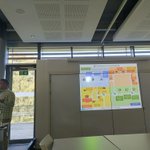



ALT Research-based learning decision-making wheel (Brew, 2013, p. 613


ALT Screencast feedback has advantages over written feedback for supporting engagement and enactment, yet the potential of peer screencast feedback remains underexplored. This study took a small-scale (N = 8), in-depth, triangulated, qualitative approach to addressing this gap, adopting a socio-material lens to investigate the use of dialogic peer screencast feedback over an emergency remote semester. Screencast peer feedback was found to enhance depth, enabling expansion of written comments, focusing on ‘global’ aspects in screencasts and ‘local’ aspects in text. Using the feedback providers’ camera helped learners manage and process emotional impacts of feedback, encouraging uptake and supporting the development of a caring feedback community sustained through ongoing technology-mediated enactment-oriented dialogues. The results reveal various social and material factors ‘entangled’ with the emergence of agency and engagement in the feedback practices.


ALT Although there is a growing movement toward creating more equitable learning and teaching practices in higher education, academic developers are still grappling with practical ways to guide academics in inclusive curricular transformation. We briefly characterize the current conversation among academic developers and present and reflect on a new tool, the Culturally Sensitive Curricula Educator Self-Reflection Tool, that extends our earlier research using the Culturally Sensitive Curricula Scales student survey.


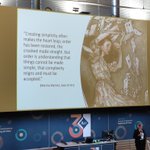
ALT Anne-Marie Scott presenting the keynote for ALT with a quote from Marina Warner about complexity
