

Channel for the Professional Diabetes Community. Follow us for congress news, interviews & useful Diabetes info. X guidelines. https://teapaw.org/t.co/uMMF5A4FXj
International
Joined April 2022
- Tweets296
- Following0
- Followers2.9K
- Likes0

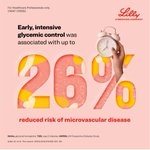

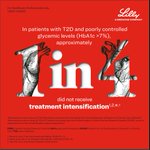


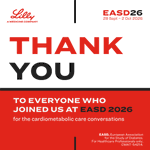

This World Diabetes Day, how many adults are at risk of T2D due to impaired glucose tolerance? Find out in our next post. For HCPs only.
14%35 million
22%453 million
27%635 million
37%1 billion
6,033 votes • 4 daysBuilding on more than a century of diabetes care, we take #WorldDiabetesDay as an opportunity to acknowledge our patients, the science, and the innovations that continue to shape care. Follow us for more insights.
What if early action in T2D paid off for decades? The 24-year follow-up data from the UKPDS confirmed that intensive glycemic control soon after T2D diagnosis delivered a persistent legacy effect, helping to maintain lower HbA1c levels and reduce the lifetime risk of related complications.

What makes #T2D so complex? Currently, we know 11 mediating pathways of hyperglycemia, empowering personalized care for patients with T2D. Meet the Egregious Eleven.
When intensification of #T2D management is delayed by one year, people with HbA1c >7% face a higher risk of complications. Overcoming therapeutic inertia and acting earlier to reduce HbA1c is important for long-term outcomes.¹

Despite advances in #T2D care, more than 45% of people with T2D still do not reach their HbA1c goals. With personalized care and a holistic approach, we can change that—bringing us closer to the WHO's goal of 80% of patients achieving good glycemic control.

#T2D is a silent, progressive disease. But with early, proactive management, its associated complications may be prevented or delayed. Follow us for more insights!

The number of people living with diabetes continues to rise worldwide. Early and personalized care may help reduce the burden of #T2D — the most common form of the disease.

The week of #EASD2026 in Milan had one throughline – moving science into practice. Science is always evolving, and so should #Cardiometabolic care. Watch a Daily Takeaways recap of the congress with Dr. Hassanein.
Thank you to the scientific community, attendees, and partners at #EASD2026. We enjoyed the conversations that will help shape the future of #Cardiometabolic care. The next step is looking ahead. Follow us to stay informed.
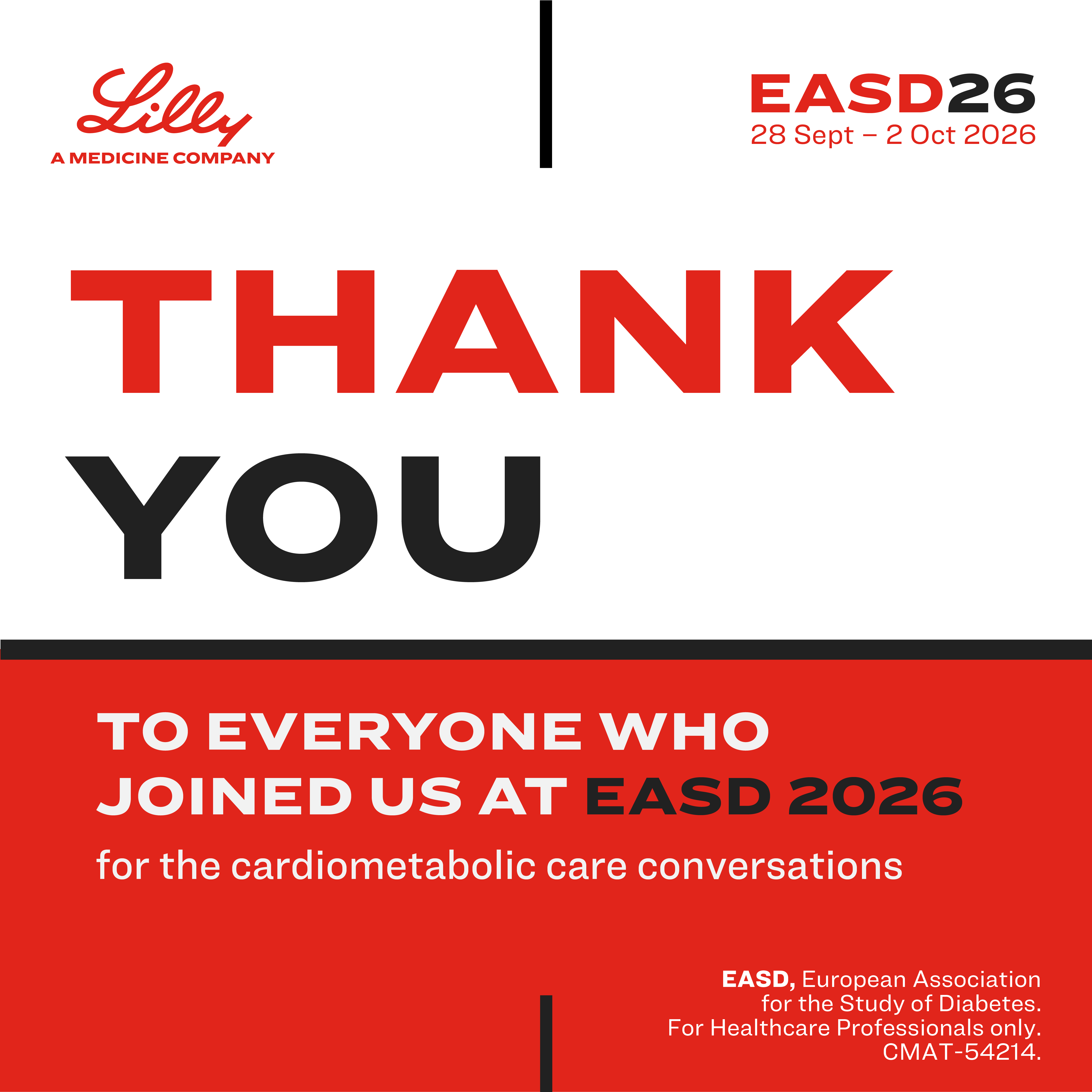
What is next for #Cardiometabolic care? Science doesn't pause when #EASD2026 ends. From early intervention to long-term protection, what we have learned continues to advance cardiometabolic care. Stay with us, follow what's next!

How does evidence differ from actual care? Day 3 at #EASD2026 was all about implementation, focusing on how the gap between evidence and #Cardiometabolic care can be closed.¹,² Watch the Daily Takeaways by Dr. Mohamed Hassanein!
To celebrate Lilly’s 150ᵗʰ anniversary, we have curated a memorable experience out in the streets of Milan. Hop on our iconic tram, watch Central Station lit up in Lilly’s Red, and follow our guided path through 150 years of care. Look for us outside the #EASD2026 congress walls!

Health is out there! We are bringing the #Cardiometabolic conversation outside #EASD2026. Spot our billboards across Milan this week and follow our account so you don’t miss our updates from the congress.

The story of #Diabetes and its complexities as part of one connected #Cardiometabolic continuum is still being written. On Day 2 of #EASD2026, Dr. Mohamed Hassanein shares key insights on why acting early is critical and may help alter the disease trajectory.¹,² Watch now.
Our exhibition celebrates 150 years of scientific progress, reframing research through the lens of art and fashion. Step inside House of Lilly in Milan during #EASD2026 and discover tailored science. Join us!

Next destination? Lilly’s booth! Join us at our booth at #EASD2026 as we celebrate 150 years of scientific progress. We look forward to seeing you there!

Day 1 at #EASD2026 in Milan kicked off with Lilly’s full day program: "Changing the Course of #Cardiometabolic Disease." Dr. Mohamed Hassanein breaks down key takeaways in this video. Make sure to follow us and stay updated with our Daily Takeaway series.