

"Dialectics is ... a way of looking at the world which, by showing its fundamental contradictions, makes intervention (Eingreifen) possible." B. Brecht, 1930
Winnipeg • Manitoba • Canada
Joined January 2022
- Tweets2K
- Following534
- Followers673
- Likes10K


Helmut-Harry Loewen retweeted

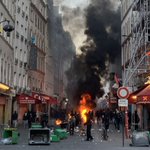
🇫🇷 French police have left protesters with injuries that human rights lawyers told outlets compare to those seen in conflict zones, as a student uprising over crumbling schools and the cost of living enters its fifth week.
Over Saturday and Sunday alone, French outlets StreetPress, Index and ViolencesPolicières(dot)fr collected several hundred videos and testimonies. Cases they documented include:
🔸 A 17-year-old in Saint-Étienne whose hand was torn off by a police grenade
🔸 A 17-year-old girl in Mulhouse who lost the sight in her left eye after being hit by a tear gas grenade
🔸 Protesters in Paris, Lyon, Strasbourg and Besançon beaten with batons and kicked while on the ground, including one held in a chokehold
France's police watchdog has opened at least 36 investigations into police violence against high school protesters. Christophe Calvao, president of the Paris Young Lawyers' Union, denounced "an increasingly systematic use of crowd-control measures that would normally be reserved for much more serious situations."
Interior Minister Laurent Nuñez has said police "must be able to use all intermediate weapons," and on Tuesday vowed to "step up" for the next mobilization. France Unbowed leader Jean-Luc Mélenchon said his party and unions know how to keep marches peaceful by deploying hundreds of volunteers, adding: "We could at least expect police to do something other than fire indiscriminately into the crowd."
Melenchon also noted that most European countries ban such grenades, and that Nuñez suspended them only to reinstate them "not even 48 hours" later.
🎥 Edited by @samivanderlip. (Compilation of videos circulating online).
“The bourgeoisie of the whole world looks on with satisfaction at the mass slaughter 𝘢𝘧𝘵𝘦𝘳 the battle, but is horrified by the desecration of brick and mortar!” Karl Marx, 𝘛𝘩𝘦 𝘊𝘪𝘷𝘪𝘭 𝘞𝘢𝘳 𝘪𝘯 𝘍𝘳𝘢𝘯𝘤𝘦 (𝘋𝘦𝘳 𝘉ü𝘳𝘨𝘦𝘳𝘬𝘳𝘪𝘦𝘨 𝘪𝘯 𝘍𝘳𝘢𝘯𝘬𝘳𝘦𝘪𝘤𝘩, 1871):
“The Paris of the workers, in its act of heroic self-sacrifice, has dragged buildings and monuments into the flames. If the rulers of the proletariat tear its living body to pieces, they can no longer count on returning triumphantly to the untouched walls of their residences. The Versailles government cries out, ‘Arson!’ and whispers this watchword to all its henchmen, even in the most remote villages, to hunt down their opponents everywhere as suspects of professional arson. The bourgeoisie of the entire world watches the mass slaughter 𝘢𝘧𝘵𝘦𝘳 the battle with satisfaction, but is horrified by the desecration of brick and mortar!”
“Das Paris der Arbeiter hat im Akt seiner heroischen Selbstopferung Gebäude und Monumente mit in die Flammen gezogen. Wenn die Beherrscher des Proletariats seinen lebendigen Leib in Stücke reißen, dürfen sie nicht länger darauf rechnen, triumphierend in die unangetasteten Mauern ihrer Wohnsitze wieder einzuziehn. Die Versailler Regierung schreit: Brandstiftung! und flüstert dies Stichwort allen ihren Handlangern zu bis ins entfernteste Dorf, auf ihre Gegner überall Jagd zu machen als der gewerbsmäßigen Brandstiftung verdächtig. Die Bourgeoisie der ganzen Welt sieht der Massenschlächterei nach der Schlacht wohlgefällig zu, aber sie entsetzt sich über die Entweihung von Dach und Fach!”
Karl Marx, 𝘋𝘦𝘳 𝘉ü𝘳𝘨𝘦𝘳𝘬𝘳𝘪𝘦𝘨 𝘪𝘯 𝘍𝘳𝘢𝘯𝘬𝘳𝘦𝘪𝘤𝘩. Teil IV; dritte deutsche Auflage. In: Karl Marx und Friedrich Engels, 𝘞𝘦𝘳𝘬𝘦, Bd. 17, 1962, Berlin/DDR, S.313-365. First published in English as a pamphlet in London, June 1871. First published in German in 𝘋𝘦𝘳 𝘝𝘰𝘭𝘬𝘴𝘴𝘵𝘢𝘢𝘵, Leipzig, from June 28 to July 29, 1871, and as a separate offprint from 𝘋𝘦𝘳 𝘝𝘰𝘭𝘬𝘴𝘴𝘵𝘢𝘢𝘵, Leipzig, 1871. This edition corresponds to the final German-language edition, edited by Friedrich Engels, Berlin, 1891.
Paris, October 18, 2026. Photo: Maya Vidon-White/UPI.

Andreas Wehr (Marx-Engels-Zentrum Berlin), 𝘋𝘦𝘯 𝘓𝘪𝘣𝘦𝘳𝘢𝘭𝘪𝘴𝘮𝘶𝘴 𝘦𝘯𝘵𝘻𝘢𝘶𝘣𝘦𝘳𝘯. Ü𝘣𝘦𝘳 𝘥𝘦𝘯 𝘔𝘢𝘳𝘹𝘪𝘴𝘮𝘶𝘴 𝘋𝘰𝘮𝘦𝘯𝘪𝘤𝘰 𝘓𝘰𝘴𝘶𝘳𝘥𝘰𝘴. Köln: PapyRossa Verlag, 2026, 350 Seiten.
Der Liberalismus sieht sich als Denktradition, die die Freiheit des Individuums in ihr Zentrum stellt. Doch wie ist damit zu vereinbaren, dass die ersten Präsidenten der USA Sklavenhalter waren? Tatsächlich waren Liberalismus und Sklaverei eine Zwillingsgeburt. Mit dem Kapitalismus entstand in den liberalen Ländern das Proletariat, ein Heer ›weißer Sklaven‹. Der Liberalismus führte auch nicht zur Gleichstellung der Frauen. Er habe sich, so ein verbreiteter Mythos, aus einem inneren Impuls heraus zur Demokratie gewandelt. Doch war es erst der Kampf der Unterdrückten, der ihre Emanzipation ermöglichte. Die großen Revolutionen sind Ausdruck davon. Steht die Französische für die Propagierung der Menschenrechte, so ging von der Oktoberrevolution der Impuls zur Befreiung der unterdrückten Völker aus. Das Ende des realen Sozialismus stellte für Domenico Losurdo daher eine Niederlage dar, aber nicht das endgültige Scheitern eines Emanzipationsprozesses. Er benennt offen die Fehler des Realsozialismus und fordert dazu auf, aus ihnen zu lernen. Andreas Wehr zeichnet die Gedankengänge des Philosophen und Historikers nach und verweist auf bisher übersehene Zusammenhänge.
Andreas Wehr, Jurist, von 1999 bis 2014 wissenschaftlicher Mitarbeiter der »Konföderalen Fraktion der Vereinten Europäischen Linken / Nordische Grüne Linke« im Europäischen Parlament. Autor zahlreicher Bücher und Mitgründer des Berliner Marx-Engels-Zentrums.

Domenico Losurdo, 𝘋𝘢𝘴 20. 𝘑𝘢𝘩𝘳𝘩𝘶𝘯𝘥𝘦𝘳𝘵 𝘣𝘦𝘨𝘳𝘦𝘪𝘧𝘦𝘯. Köln: PapyRossa Verlag, 2. Auflage 2026, 95 Seiten.
Domenico Losurdo, Prof. Dr. phil., 1941-2018, war Präsident der Internationalen Gesellschaft Hegel-Marx für dialektisches Denken und Mitglied der Leibniz-Sozietät der Wissenschaften zu Berlin. Lehrte Philosophie an der Universität Urbino/Italien Philosophie. Zahlreiche Bücher, so über Hegel, Nietzsche, Gramsci oder Stalin, begründen sein internationales Renommee. Sein publizistisches Werk wurde in zahlreiche Sprachen übertragen und wird anhaltend diskutiert.
Dass die Oktoberrevolution mit ihren Folgen zu den Grundübeln des 20. Jahrhunderts gehöre, gilt häufig als selbstverständlich. Hand in Hand geht damit eine Verklärung der vorrevolutionären liberalen Gesellschaften. Zu wenig beachtet wird ihr Ausschluss der Frauen aus dem politischen Leben, ihre Einschränkung der politischen Rechte breiter Bevölkerungsmassen – sowie ihr Kolonialismus und Rassismus. Unbeachtet bleibt, dass die Überwindung dieser drei großen Diskriminierungen ohne den Oktober 1917 kaum denkbar wäre. Dies rückgängig zu machen und die Rassendiskriminierung noch zu verschärfen, war das Ziel des Nazismus. In seinem Kolonialreich hatten die ›Eingeborenen‹ Osteuropas einerseits die Rolle der ›Indianer‹ zu spielen, die es zu dezimieren galt, andererseits die der Schwarzen, die als Sklaven im Dienste der Herrenrasse arbeiten mussten. Stellt die Kategorie ›Totalitarismus‹ die angehenden Sklavenhalter und ihre Opfer auf eine Stufe, schweigt sie sich aus über die Gräuel der kolonialen Tradition. Dieses kompakt gehaltene Buch bündelt Grundzüge des Denkens von Domenico Losurdo.

youtu.be/kaCj9gOj2rM?si=69F8…
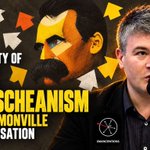
Aymeric Monville, born in 1977, is a French author and publisher specializing in Marxist philosophy and political thought. He is associated with Éditions Delga, a Paris-based publishing house devoted to Marxist research, intellectual history, and the history of the international communist movement. His books include The Poverty of Left Nietzscheanism, The European Ideology, and Neocapitalism According to Michel Clouscard. His work has appeared in publications including L’Humanité, La Pensée, Étincelles, Initiative communiste, Commune, and La Faute à Diderot.
CHAPTERS 0:00 Welcome and Introduction 4:01 The Current Student Uprising in Comparison with May ’68 12:37 The Impact of Lukács and Losurdo in French Intellectual Circles 23:28 Monville’s Approach to Nietzsche 32:00 The Elisabeth Question 38:00 Nietzsche’s Anti-Proletarian Politics 44:00 The Origin of Nietzsche in French Intellectual Life 49:10 The Prehistory of French Nietzscheanism 1:03:00 Deleuze’s Nietzsche 1:09:00 Left Nietzscheanism and Petty-Bourgeois Revolt 1:15:00 Clouscard’s Nietzsche 1:32:21 Michel Onfray 1:37:20 The Moral Left and Nietzsche 1:48:20 The After Lives of Left Nietzscheanism

“𝘊𝘢𝘱𝘪𝘵𝘢𝘭 without Class Struggle and without Capitalism, Marxism without Materialism and without the Dialectic, 𝘊𝘢𝘱𝘪𝘵𝘢𝘭 for the Consumption of the Postmodernists”: “𝘊𝘢𝘱𝘪𝘵𝘢𝘭 is no fellow traveler for postmodernist thought. The purpose of Wendy Brown’s “Foreword” and Paul North’s “Editor’s Introduction” is precisely to make that wonderful book of class struggles an eclectic mélange of Marxism and postmodernism. That project is condemned to fail.” #ScienceOpen: scienceopen.com/hosted-docum…

revolutionaryleftradio.libsy… Gabriel Rockhill joins Breht O'Shea to discuss his book Requiem for French Theory, coauthored with Aymeric Monville, and to challenge the radical reputation of thinkers such as Foucault, Derrida, and Deleuze. Situating their rise within the Cold War, Rockhill examines how intelligence agencies, capitalist foundations, universities, and publishers helped elevate intellectual (and broader cultural) currents that appeared radical or revolutionary while undermining the theoretical and political foundations of communism.
Along the way, Breht and Gabriel explore French Theory’s rejection of dialectics, its contested relationship to May ’68, capitalism’s ability to turn rebellion into a consumer product, and the difference between liberal representation and material liberation. They also discuss Western Marxism’s retreat from anti-imperialism, the lessons of actually existing socialism, and the necessity of criticism and self-criticism within a living Marxist tradition.
At the heart of the conversation is a practical question: how do we reclaim theory as a collective instrument of working-class liberation rather than another commodity in the capitalist marketplace?

𝗧𝗵𝗲 “𝗥𝘂𝘀𝘀𝗶𝗮𝗻 𝗵𝘆𝗯𝗿𝗶𝗱 𝘄𝗮𝗿” 𝗻𝗮𝗿𝗿𝗮𝘁𝗶𝘃𝗲: 𝗮 𝗻𝗲𝘄 𝗡𝗔𝗧𝗢 𝘀𝘁𝗿𝗮𝘁𝗲𝗴𝘆 𝗼𝗳 𝘁𝗲𝗻𝘀𝗶𝗼𝗻? 𝗗𝗼𝗲𝘀 𝘁𝗵𝗲 𝗲𝘃𝗶𝗱𝗲𝗻𝗰𝗲 𝘀𝘂𝗽𝗽𝗼𝗿𝘁 𝘁𝗵𝗲 𝗻𝗮𝗿𝗿𝗮𝘁𝗶𝘃𝗲? 𝗢𝗿 𝗱𝗼𝗲𝘀 𝗶𝘁 𝗿𝗮𝘁𝗵𝗲𝗿 𝗽𝗼𝗶𝗻𝘁 𝘁𝗼 𝗮 𝗰𝗮𝗺𝗽𝗮𝗶𝗴𝗻 𝗼𝗳 𝗽𝘀𝘆𝗰𝗵𝗼𝗹𝗼𝗴𝗶𝗰𝗮𝗹 𝘄𝗮𝗿𝗳𝗮𝗿𝗲 𝗯𝗲𝗶𝗻𝗴 𝘄𝗮𝗴𝗲𝗱 𝗯𝘆 𝘁𝗵𝗲 𝗘𝗨-𝗡𝗔𝗧𝗢 𝗲𝘀𝘁𝗮𝗯𝗹𝗶𝘀𝗵𝗺𝗲𝗻𝘁 𝗮𝗴𝗮𝗶𝗻𝘀𝘁 𝗶𝘁𝘀 𝗼𝘄𝗻 𝗽𝗼𝗽𝘂𝗹𝗮𝘁𝗶𝗼𝗻. thomasfazi.com/p/the-russian…
“Europe’s security and intelligence establishment also stands to benefit from the “Russian hybrid war” narrative. It’s no coincidence that many of these claims originate with the security services themselves — agencies that stand to gain larger budgets or broader powers from the perception of a sabotage threat, raising obvious questions of conflict of interest. Germany’s foreign intelligence service, the BND, for example, has invoked the danger of Russian sabotage to shed restrictions on its activities dating back to the post-war era, and may now be permitted to conduct sabotage operations of its own, along with offensive cyber attacks and more aggressive espionage. In the Netherlands, Prime Minister Rob Jetten pointed to the sabotage threat when unveiling a new national security law granting intelligence agencies expanded powers.
But it is not merely the military-industrial complex and defence-security establishment that stands to benefit from the ever-present spectre of a looming “Russian threat”. This also provides the EU establishment with a broader authoritarian dividend, insofar as it is routinely invoked as a justification for the ongoing assaults on democratic norms and increasingly authoritarian governance — from online censorship to the repression of dissent and interference in national elections. It supplies the external enemy without which this authoritarian consolidation would be far harder to justify — a permanent state of emergency, after all, requires a permanent threat. This is among the reasons why the EU establishment has proved so resistant to any de-escalation with Russia.”
See also a shorter version of this article: Thomas Fazi, "Evidence of a Russian 'hybrid war' in Europe is vanishingly thin. The narrative of all-out gray-zone conflict with Moscow evokes Italy's Cold War 'strategy of tension,'" Responsible Statecraft, October 21, 2026. responsiblestatecraft.org/hy…
