
Minister, Ministry of Health, Ethiopia
Joined February 2020
- Tweets922
- Following589
- Followers8.4K
- Likes3.1K





Mekdes Daba retweeted

Africa is ready to turn plans and promises into real results. It is time to take action and improve the health of all Africans.
At CPHIA 2026, leaders, experts and partners will come together to find solutions and turn Africa’s health goals into real progress. Africa is ready. Are you?
23–27 November 2026 | Addis Ababa
Register now: cphia.africacdc.org/register
-------
L’Afrique est prête à transformer ses projets et ses promesses en résultats concrets. Le moment est venu d’agir pour améliorer la santé de tous les Africains.
À la CPHIA 2026, les dirigeants, les experts et les partenaires se réuniront pour trouver des solutions et transformer les objectifs sanitaires de l’Afrique en progrès concrets. L’Afrique est prête. Et vous ?
Du 23 au 27 novembre 2026 | Addis-Abeba
Inscrivez-vous dès maintenant : cphia.africacdc.org/register
#CPHIA2026 #AfricaIsReady
Mekdes Daba retweeted

Today, we inaugurate the Kechene–Ambassador–Gihon– Irreecha–Bambis Riverside Development, a 351-hectare, 10-kilometer corridor advancing our vision of a modern, green, and inclusive Addis Ababa.
With pedestrian walkways, cycling lanes, and integrated transport infrastructure, this development creates a more accessible and liveable urban environment. Its children’s playgrounds, plazas and amphitheaters, sports facilities, and eight fountains and water features offer new spaces for recreation, social interaction, and community life. Parking facilities and eight electric vehicle charging centres, capable of charging over 100 vehicles simultaneously, further strengthen its modern infrastructure.
Through river management, soil and water conservation, and riverside green spaces, we are bringing environmental restoration together with urban transformation. Equally important, we are expanding economic opportunities. A dedicated market centre enables residents who previously lived along the river corridor to produce, display, and sell handicrafts, while an agricultural produce mall connects agricultural producers with markets.
Our vision is to build a city that is not only beautiful but also productive and inclusive; a city that serves its people today and generations to come!


Mekdes Daba retweeted

🇪🇹 Addis Ababa will host the 7th EMT Global Meeting, 3–5 Nov 2026.
Join emergency health leaders from around the world to strengthen preparedness and response.
🔗 bit.ly/4BbiOlH

Mekdes Daba retweeted

STATE HOUSE PRESS RELEASE
Governors To Declare Nutrition Emergency, Unleash Radical Funding Mechanism
** Commit to grassroots accountability, unified nutrition budget
** FG to begin targeted intervention in two high-stunting states
In a historic move, governors of the 36 states of the federation @NGFSecretariat have declared war on hunger by committing to launch a nationwide nutrition emergency.
This massive mobilisation will establish a powerful National Nutrition Intervention Fund to instantly advance Nigeria’s ambitious Nutrition 774 Initiative across every single local government area in the country.
Zamfara State Governor, Dauda Lawal @daudalawal_, announced this on Friday in Addis Ababa, Ethiopia, while reading the Nigeria Governors’ Forum (NGF) Addis Ababa Commitment on Nutrition at the Nigeria Country Session.
The commitment followed a three-day Nigeria-Ethiopia Nutrition Leadership Exchange, where the Nigerian delegation led by the Vice President, Senator Kashim Shettima studied Ethiopia’s experience in nutrition delivery, particularly through its Seqota Declaration.
While reading the NGF commitment at the session themed "From Lessons to Commitment: Accelerating Implementation of the Nutrition 774 Initiative," the governors also pledged to strengthen domestic financing, deepen accountability at the grassroots, and institutionalize a unified framework for nutrition planning and budgeting, drawing lessons from Ethiopia's experience in tackling malnutrition.
Speaking on behalf of the NGF, Governor Lawal said the exchange had reinforced the importance of sustained political leadership, effective multisectoral coordination, ownership at all levels of government, predictable financing, and the systematic use of data to drive decisions and accountability.
He noted that Nigeria’s Nutrition 774 Initiative already embodied many of Ethiopia's principles, adding that the exchange provided practical lessons to strengthen the programme and deliver measurable results.
According to him, the key lessons included the need for a unified approach to planning and budgeting, stronger coordination across sectors, bottom-up planning, predictable financing, and the use of data and scorecards to measure performance.
“We are encouraged that Nigeria’s N774 Initiative already embodies many of the principles we have seen here in Ethiopia. “mThis leadership exchange has, however, provided important practical lessons on how these principles can be further strengthened and translated into results,” he stated.
The NGF also identified matching financing between the Federal Government and states as an important mechanism for aligning priorities, encouraging subnational investment and reinforcing shared accountability for nutrition outcomes.
Lawal recalled that, in the presence of Vice President Shettima, the three tiers of government signed the Nutrition Compact on February 20, 2025, to establish a common commitment to tackling malnutrition.
He said the compact was signed by the Chairman of the NGF on behalf of the 36 states, the President of the Association of Local Governments of Nigeria (ALGON) on behalf of the 774 local governments, and the Minister of Budget and Economic Planning on behalf of the Federal Government.
He explained that the latest commitment would reinforce the existing compact by adapting lessons from Ethiopia to Nigeria’s circumstances and translating them into concrete actions across the three tiers of government.
Under the commitments, the governors resolved to declare nutrition a national emergency, establish a National Nutrition Intervention Fund to catalyse implementation of the compact, and institutionalise “One Goal, One Plan and One Budget” for nutrition.
The proposed fund is expected to incentivise state-level leadership, encourage increased domestic investment, reward effective implementation and support measurable improvements in nutrition outcomes.
The governors also pledged to strengthen bottom-up planning by ensuring that nutrition priorities reflect needs at community and ward levels before being incorporated into local government, state and national plans.
They further committed to extending the National Nutrition Scorecard beyond the state level to include local government and ward-level performance indicators, strengthening accountability throughout the delivery chain.
The NGF also resolved to institutionalise the use of data for decision-making and performance management, including state-specific surveys and assessments to provide timely evidence for planning, resource allocation and corrective action.
Meanwhile, the Executive Director and Chief Executive Officer of the National Primary Health Care Development Agency (@NphcdaNG), Dr Muyi Aina @Muyi_Aina, has disclosed that the Federal Government will begin targeted nutrition interventions in two states with a high burden of stunting before expanding the programme to other states.
Aina, who spoke on behalf of federal agencies, said the Nigerian delegation had learnt important lessons from Ethiopia’s agricultural transformation, early childhood development programmes and data-driven initiatives.
He identified clear vision and leadership, alignment across the three tiers of government, evidence-based prioritisation, rigorous measurement and disciplined execution as critical elements for achieving sustainable results.
According to him, the federal team would adopt a focused approach by selecting two states based on their stunting burden, defining clear objectives and developing multisectoral interventions tailored to their needs.
He said relevant ministers and federal agencies would work with the governors and their teams to identify sectoral priorities, determine the responsibilities of each tier of government and involve communities and development partners in the implementation process.
Aina explained that the plan would be costed, with the participating governments working towards a joint financing arrangement and establishing measurable indicators to track progress.
“We will track very rigorously progress in the execution of the plan,” he said.
The NPHCDA chief also proposed three- six- and nine-month review meetings with the Vice President, who is also Chairman of the National Council on Nutrition, to assess progress, address implementation gaps and guide the expansion of the interventions to other states.
He said the approach would enable the government to learn from implementation, make necessary adjustments and ensure that resources were directed towards interventions capable of producing measurable improvements.
On his part, the Coordinating Minister of Health and Social Welfare, Professor Muhammad Ali Pate @muhammadpate, said the exchange had provided valuable lessons on translating political commitments into practical action and measurable nutrition outcomes.
Pate identified focused sectoral action, a clear implementation roadmap, performance matrices and accountability as critical to accelerating Nigeria’s response to malnutrition.
He said the Federal Government would work with states to turn the commitments made during the exchange into practical interventions, with progress reported to the Vice President through the National Council on Nutrition.
According to him, the combined efforts of federal and state governments, communities and development partners would be essential to achieving sustainable results.
Pate expressed confidence that Nigeria could adapt Ethiopia’s experience to its own circumstances, noting that the progress recorded by the East African country demonstrated the value of sustained political leadership and coordinated action.
He also expressed appreciation to the Ethiopian government and its officials for hosting the Nigerian delegation, describing the exchange as an opportunity for both countries to learn from each other.
The minister invited Ethiopian officials to visit Nigeria to study its ongoing initiatives and explore further areas of cooperation.
For her part, Ethiopia’s Minister of Health, Dr Mekdes Daba @MekdesDaba, commended Nigeria for its commitment to strengthening nutrition delivery and described the leadership exchange as a practical demonstration of African countries learning from one another.
Daba expressed appreciation to Vice President Shettima for leading the high-level delegation to Ethiopia, saying the visit reflected Nigeria’s determination to translate its nutrition ambitions into action.
She said the Nutrition 774 Initiative represented a significant national commitment, stressing the importance of starting with focused interventions, measuring results and expanding successful approaches.
The minister emphasised that commitments must ultimately translate into tangible improvements in the lives of citizens, adding that implementation, feedback and continuous assessment were essential to achieving lasting results.
According to her, Ethiopia is ready to provide technical support and work with Nigeria as it implements and expands the initiative.
She described the exchange as the beginning of a long-term partnership, expressing optimism that both countries would continue to share experiences and strengthen their efforts to tackle malnutrition.
Daba said the Nigerian and Ethiopian governments have a shared responsibility to demonstrate that African countries could draw on their own experiences to deliver development outcomes for their people.
Stanley Nkwocha
Senior Special Assistant to The President on Media & Communications
(Office of The Vice President)
10th October, 2026


Mekdes Daba retweeted

"በጋራ ሀገር እንገነባለን!" - ጠቅላይ ሚኒስትር ዐቢይ አሕመድ (ዶ/ር)
"We will build this country together!" - Prime Minister Abiy Ahmed
#የመደመርመንግሥት
#PMOEthiopia
Mekdes Daba retweeted
As the formation of the Medemer Government continues, Prime Minister Abiy Ahmed has made the following appointments today:
1. Daniel Kibret – Delivery Follow-up Sector Head (at the Office of the Prime Minister, with the rank of Minister)
2. Ambassador Nasise Chali – ENFI Follow-up Sector Head (at the Office of the Prime Minister, with the rank of Minister
3. Dr. Bikila Hurisa – Coordinator for Democratic System Building (with the rank of Minister)
4. Fisseha Dessalegn – Coordinator for Democratic System Building (with the rank of Minister)
5. Dr. Dereje Duguma – Coordinator for Democratic System Building (with the rank of Minister)
6. Tesfahun Gobezay – Coordinator for Democratic System Building (with the rank of Minister)
7. Habtamu Sisay – Coordinator for Democratic System Building (with the rank of Minister)
#MedemerGovernment
#PMOEthiopia

በኢትዮጵያ ጤና ሚኒስትርነት ለቀጣይ የሥራ ዘመን እንድቀጥል ለተሰጠኝ እምነት ከፍተኛ ክብርና ምስጋና ይሰማኛል።
ባለፉት ዓመታት በጋራ ያከናወንናቸውን ሥራዎች በማጠናከርና የጤና ሥርዓታችንን ይበልጥ በማጎልበት የበለጠ ውጤታማና ዘላቂ ለውጥ ለማምጣት እንሰራለን። ይህም የጤና ባለሙያዎቻችንን፣ አጋሮቻችንንና መላውን የጤና ማኅበረሰብ ባሳተፈ የጋራ ጥረት ይሆናል።
የጤና ዘርፉን በሀገራዊ ልማት አጀንዳ ውስጥ በማስቀመጥ ለሚያሳዩት ትኩረትና ለሚሰጡን የሥራ አቅጣጫ ያለኝን አድናቆት እየገለጽለኩ ለተሰጠኝ እምነትና ለቀጣይ የአገልግሎት እድል ክቡር ጠቅላይ ሚኒስትር ዐቢይ አህመድ(ዶ/ር) እና የተከበረውን የህዝብ ተወካዮች ምክር ቤት ከልብ አመሰግናለሁ።
በሚቀጥለው የሥራ ዘመን በአንድነት፣ በፈጠራ፣ በትብብርና በተጠናከረ ቁርጠኝነት የጤና ዘርፉን የለውጥና የእድገት ሞተር ለማድረግ እንሰራለን።
የተሻለች፣ ጤናማና ብልፅግናዋን ያረጋገጠች ኢትዮጵያን አብረን እንገነባለን።


Mekdes Daba retweeted
I met with Vice President @KashimSM of Nigeria, who is visiting Ethiopia for a three-day working visit accompanied by a delegation participating in the Ethiopia–Nigeria leadership exchange.
Ethiopia and Nigeria are diverse nations with multicultural societies and large populations. This provides valuable opportunities for mutual learning and the exchange of experiences as we continue to strengthen cooperation between our two countries.


Mekdes Daba retweeted

I opened the Ethiopia–Nigeria Leadership Exchange: Moving the Needle on Nutrition, together with H.E. Senator Kashim Shettima, Vice President of the Federal Republic of Nigeria, and senior leaders from our two countries.
I shared Ethiopia’s experience through the Seqota Declaration and the key measures we have taken to turn our commitment into action: putting nutrition under high-level political leadership; bringing health, agriculture, education, water and other sectors around one plan; introducing costed woreda-based planning; mobilizing federal and regional financing; and strengthening performance monitoring and accountability.
We have also expanded high-impact interventions and food fortification to reach families at scale.
Our experience has taught us a simple lesson: a priority needs a plan, a plan needs a budget, and a budget needs accountability. As Ethiopia and Nigeria deepen their strategic partnership, this exchange gives us an important opportunity to share what works, learn from one another and strengthen African-led solutions to malnutrition.
Ultimately, our success will be measured by the children who are healthier, better able to learn and better prepared to realize their full potential.


Mekdes Daba retweeted
Today, we held discussions with H.E. Senator Kashim Shettima, Vice President of the Federal Republic of Nigeria, on potential areas of bilateral cooperation between Ethiopia and Nigeria.
In our talks, we extensively deliberated on the collaboration and experience sharing between Ethiopia and Nigeria aimed at ensuring food security.
I express my appreciation to Nigeria for sending a high-level delegation to learn from the tangible results achieved through the Seqota Declaration. The commitment shown by H.E. Vice President Senator Kashim Shettima to improve nutrition in his country is an exemplary leadership for our continent.
Ethiopia and Nigeria are bound by a strategic partnership. When the two countries’ significant population and economic potential are mobilized in a coordinated manner, they further strengthen the capacity to shape Africa’s future positively.
Ethiopia has improved its diplomatic and service passport procedures for Nigeria and has implemented a visa-free travel arrangement for Nigerian citizens holding diplomatic and service passports. This will further strengthen people-to-people relations and diplomatic ties between the two countries.
In the investment sector, we highlighted the significant contribution of Aliko Dangote to Ethiopia’s development. We also discussed opportunities for other Nigerian investors to invest in various sectors in Ethiopia.
Stronger together for a better Africa!


Mekdes Daba retweeted

ክብርት ወ/ሮ ሙፈሪያት ካሚል የኢ.ፌ.ዲ.ሪ የፌዴሬሽን ምክር ቤት አፈ-ጉባኤ ሆነው ስለተሰየሙ እንኳን ደስ ያለዎ እያልኩ የተሳካ የሥራ ዘመን እዲሆንልዎ ከልብ እመኛለሁ፡፡

Mekdes Daba retweeted
ክቡር አቶ አህመድ ሽዴ በዛሬው ዕለት የኢ.ፌ.ዲ.ሪ የህዝብ ተወካዮች ምክር ቤት አፈ-ጉባዔ ሆነው በመመረጣቸው እንኳን ደስ ያለዎት ለማለት እወዳለሁ፡፡ የተሳካ የሥራ ዘመን እንዲሆንልዎ ከልብ እመኛለሁ፡፡

Mekdes Daba retweeted
Já se inscreveu para o #CPHIA2026?
Em novembro, Adis Abeba reunirá líderes da saúde pública, cientistas, profissionais de saúde, inovadores, jovens e parceiros de toda a África e de outras partes do mundo.
Serão cinco dias para nos encontrarmos, partilharmos experiências e contribuirmos para construir o futuro da segurança e da soberania sanitária de África.
📅 23–27 de novembro de 2026
📍 Adis Abeba, Etiópia
Inscreva-se agora: cphia.africacdc.org/register
África está pronta. E você?
#AfricaIsReady #AfricaCDC
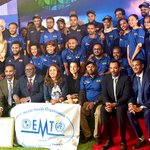
Today, 🇪🇹 celebrates a meaningful milestone in our journey to strengthen emergency preparedness and response: the formal classification of the Ethiopian Emergency Medical Team (EMT) as a WHO Type 1 Fixed Emergency Medical Team.
This achievement is the result of years of commitment, learning, collaboration, and the quiet dedication of many people working to ensure that, when emergencies happen, our health system is ready to respond.
It is also a recognition of the growing capacity of our health professionals and institutions, and of our shared determination to provide timely, quality care to people when they need it most.
But this is not the end of the journey. Classification gives us a strong foundation to build on. We will continue to sustain these standards, strengthen our national EMT, and expand emergency medical response capacity across the regions, bringing quality emergency care closer to communities.
My sincere appreciation goes to the Ethiopian Emergency Medical Team, the Ethiopian Public Health Institute, regional health institutions, our dedicated health professionals, and all government institutions and partners who have contributed to this achievement. I also acknowledge the WHO EMT Secretariat, the United Kingdom, and our development and technical partners for their continued support and collaboration throughout this journey.
Today, we celebrate more than a classification. We celebrate the people, partnerships, and perseverance behind it.
And we look ahead with renewed commitment to be better prepared, respond faster, and protect more lives when emergencies arise. 🇪🇹


Mekdes Daba retweeted
የኢትዮጵያን የጤና ስርአት ከማሳደግ በላይ እንደሃገር ለያዝነው የሜዲካል ቱሪዝም ስኬት የቅዱስ ጳውሎስ ሆስፒታል ሚሊኒየም ሜዲካል ኮሌጅ ሃገር የምትኮራበት ተደማሪ የኢትዮጵያ አቅም ነው።
Mekdes Daba retweeted
የሕብረተሰብን ጤና መጠበቅ የኢትዮጵያን ዘላቂ ብልጽግና ለማረጋገጥ የሕዝብ አስቻይ መሰረት ነው በሚል መርህ እና ትጋት ለሚሰራው የመደመር መንግስት፣ የኢትዮጵያ የሕብረተሰብ ጤና ኢንስቲትዩት አበርክቶ ልዩ ትርጉም አለው።
Mekdes Daba retweeted
Ethiopia’s strength has always rested on more than the ambition of its people; it rests equally on the strength of the institutions we build, sustain, and entrust with the responsibility of serving generations. When those institutions grow in knowledge, capability, and purpose, they do more than improve a sector they expand what a nation believes is possible.
Today, we reviewed the work of St. Paul’s Hospital Millennium Medical College, an institution that continues to serve Ethiopia through specialized healthcare, medical education, research, and the development of highly skilled professionals. What we saw makes clear that St. Paul’s is no longer simply a hospital in the conventional sense. It is becoming a national health institution where advanced clinical care, education, research, technology, and human capital development come together in service of a larger national mission.
The ACCU-TECH Diagnostic Laboratory is one important expression of that progress. With the capacity to process large numbers of samples efficiently while also enabling their careful short-term preservation, the laboratory represents the kind of modern infrastructure that strengthens both the quality of care and the resilience of the health system. Technology matters most when it improves lives, expands access, and gives our professionals the tools they need to serve with greater speed, precision, and confidence.
The same progress is visible in the institution’s growing ability to treat complex medical conditions, including kidney transplantation and cardiovascular disease, through advanced technology and the expertise of highly trained physicians. Patients are coming not only from across Ethiopia, but also from other parts of the African continent. That is significant because it reflects more than the success of one hospital. It points toward a larger possibility: an Ethiopia capable of becoming a center of medical excellence, advanced treatment, knowledge, and medical tourism in Africa.
But progress should never become a reason for complacency. The achievements of today must become the foundation for greater ambition tomorrow. St. Paul’s must continue its transformation from a hospital into a comprehensive health city, and from a medical college into a university of medicine and health sciences an institution capable not only of treating illness, but of producing knowledge, training future leaders, advancing innovation, and setting new standards of excellence.
That journey will require continued investment in advanced medical capacity, high-quality education, and research that is grounded in the real challenges facing our people. It will require a culture that rewards excellence, encourages discovery, and understands that the strongest institutions are those that are always learning, always improving, and always preparing for the demands of the future.
Our ambition should be clear: not merely to build institutions that meet today’s needs, but to build institutions that shape tomorrow’s possibilities. St. Paul’s can become such an institution a national center of excellence, a continental reference point, and a demonstration of what Ethiopia can achieve when vision is matched by discipline, investment, and sustained commitment.
A healthier Ethiopia will be a stronger Ethiopia. And when we strengthen institutions that heal our people, train our professionals, advance our science, and extend our national capabilities, we are doing more than improving healthcare. We are investing in the confidence, productivity, resilience, and prosperity of the nation itself.


