

Restoration of farmland to pre-settlement conditions with YOUR help! Trails on 510 acres are FREE & open to the public sunrise to sunset every day of the year.
Mequon, WI
Joined March 2012
- Tweets1.9K
- Following516
- Followers696
- Likes1K





Time for a Ranger Report! Restoration Ranger, Pete, with help from his videographer & squirrel-impersonator, Kim, wanted to update you all on the latest land restoration project. This week, Rangers helped plant acorns in a recently controlled burn area just south of the tower.
Years ago, Kristin planted thousands of acorns alongside a group of Boy Scouts at Mequon Nature Preserve. Today, those acorns have grown into trees, creating a corridor between two forested areas of the preserve.

It's a beautiful example of the lasting impact of her nearly 20 years of dedication to restoring our land.
We're celebrating Kristin as the recipient of Milwaukee Magazine's 2026 Groundbreaker Betty Award.
Read her story here: vmkt.co/4i0tmfO

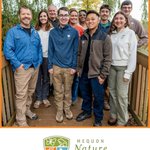
The heart of Mequon Nature Preserve is our amazing team! From caring for the land & leading educational programs to welcoming visitors & making events possible, our staff works every day to protect, restore, and share this special place. We're so grateful for everything they do!

🌿 Please join us in congratulating Kristin Thiel, recipient of Milwaukee Magazine's 2026 Groundbreaker Betty Award!
Each year, the Betty Awards honor women who shape our community for the better.

Read her story in Milwaukee Magazine: vmkt.co/4i0tmfO
For nearly 20 years, Kristin has helped transform Mequon Nature Preserve's 510 acres, restoring native habitats and inspiring the next generation to connect with nature.
We're proud to celebrate Kristin and this well-deserved recognition! 💚
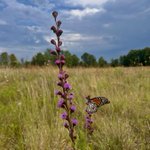
It’s monarch migration season🦋 Can you believe that these insects that weigh only 0.5 grams fly over 2,000 miles from Wisconsin to Mexico every fall?!


The “tags”, or coded stickers from monarchwatch.org, cause no harm to the butterflies, but rather assign each a unique number that can be recorded when they are found in other locations.

This time of year, MNP staff and volunteers dedicate time to monitor these insects by tagging the ones we see/catch on the property.

From their incredible migration journeys to their built-in compass located within their antennae, and their exclusive food source as caterpillars (milkweed) that make them toxic to predators , monarch butterflies are truly amazing creatures.

Recently, some MNP staff members had the opportunity to participate in electrofishing in a few of our wetlands. This is an important technique used to safely collect and study fish populations.


Like an aquatic moth to a flame, these fish experience an involuntary phenomenon known as galvanotaxis when they are drawn towards the electrical current.

Electrofishing, otherwise known as “fish shocking”, temporarily stuns fish with a controlled electrical current, allowing them to be captured, identified, measured, and released with minimal harm.


Happy National Dog Day to our conservation canine staff Tilia and Timber! #nationaldogday

Thank you, @tmj4, The Morning Blend TMJ4 , and Bank Five Nine for a wonderful time and exploring our trails with us! It was a beautiful day to showcase what our 510 acres have to offer. Checkout our segment below!
tmj4.com/videos/shows/the-mo…

The Great Egret, Ardea alba, is a Wisconsin State Threatened Species. They can be found stalking the shorelines of wetlands, lakes, and ponds searching for food. Standing up to 3.5 ft tall, they are looking for fish, frogs, salamanders, insects, and crustaceans.


