

Find projects before a GC is selected. Expand your pipeline with accurate, real-time project intelligence.
Texas
Joined October 2020
- Tweets1.2K
- Following144
- Followers52
- Likes127






"So it's just hard to find out who's going to be doing what." A GC business developer wants new owners before the crowded bid. Mercator shows early land buys and filings so you know where to put your energy.
Waiting for the phone to ring means someone else already has the meeting. Track title transfers and rezoning applications, then check who on your team already knows the architect.

"Let's say 2 hours I spend, I might find 2 or 1 or 2 really navigable, really good jobs."
A business developer at a general contractor, on finding work. Mercator finds the early projects so you spend those hours on the relationship.

"Before Joe Public and 20 other GCs know about it." A commercial GC business developer wants the owner and architect before the rest of the market. Mercator surfaces early land buys so you call first.
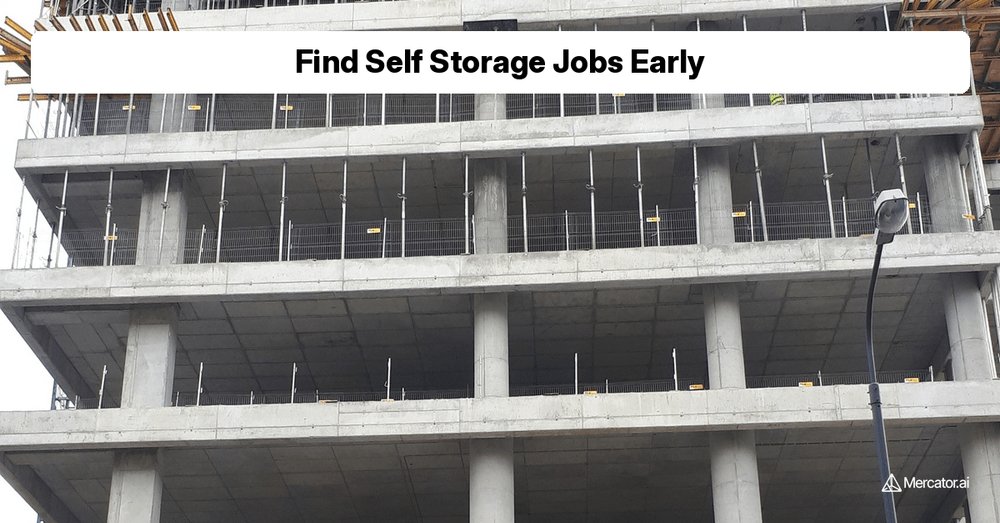
A self storage job rarely starts with a bid invitation. It starts with a land sale, a rezoning case or a permit. Here's how to spot it and qualify the site early.
Almost every losing story a GC tells has the same shape: someone else was already in the room before the bid went out. Not underbidding, just getting there first. If you knew about your next job six months early, what would you do differently?
Before you call about a self storage site, map who's behind it: the owner and the design team shaping it. Then find your warm path in, like a former client or a contact you trust who can make the introduction.

"Our competition seems to be two steps ahead of us." A GC business developer wants to reach new developers first. Mercator shows you who's buying land early, so you call before the other GCs in your market.
When a BD team feels like it's losing, the reflex is a bigger list. But more filings that were never yours to win is just noise. A GC doesn't need every filing in the state, just the dozen that are actually theirs. Are you drowning in leads or missing the right ones?
Every project you win was decided in a conversation that happened before the paperwork you're reading now. The real question was never how to bid better, it's how to find out sooner. Did that conversation already happen without you?
"Half of which we already have relationships with, but so do 6 other GCs." Same architects, same competitors. The edge is getting to new owners first.
A new permit doesn't always mean a bid is coming. A quiet rezoning case doesn't always mean the job is dead. Six signals to check before bid day:

Finding the filing isn't the hard part. It's the two calls to find who owns it and a third to find who decides, by which point your head start is gone. Early only matters if you know who to call. How much of your lead gets burned chasing a name?
Early signals show up 6 to 18 months before a project ever goes public. In that window someone could meet the architect and become a familiar name before you even hear about the job. Is that clock already running without you?
"I don't need a printout of a million projects. I could walk down the street."
A GC business developer wants owners, not a list of 10,000 jobs. Mercator shows the cream of the crop early.
Hear about a project on time and your odds go up. Weeks later, you're up against everyone who got the same request for proposal. Find it in design, before a general contractor is attached.

The market already made the call on what matters. It's just not the call the comparison charts are asking about.
By the time a job hits the bid list, the outcome is usually already decided. Someone was already in the room 6-18 months earlier. Bidding off that list means competing for jobs that are already lost. What would it take to be the one already in the room?