Military veteran. South Asia's geopolitics & strategic stability. Author - India's hybrid warfare: Implications for Pakistan's National Security

Joined November 2022
🇵🇰 On Pakistan's initiative to bring the sides together, high-level officials from Saudi Arabia, Pakistan, and Turkey (Mecca Defence Pact signatories) meeting Iranian leaders in Tehran. Pakistan's Army Chief Asim Munir, Saudi Defense Minister Khalid bin Salman, Turkish Intelligence Chief Ibrahim Kalin and Iranian officials have gathered for a four-way meeting. Iran's FM spokesperson has emphasized "endogenous security" via regional cooperation rather than external powers.
3
97
South Asia Watch retweeted
Political movements rise, consolidate power, encounter resistance and evolve. Governments change, coalitions shift, and public opinion is never entirely static. Yet ideologies can outlast the parties that popularise them, becoming embedded in institutions, political vocabulary, strategic doctrine and popular understandings of national identity. This raises a question that reaches beyond the electoral fortunes of any single party: what would it take for India to move beyond Hindutva as a dominant organising principle of political life? Would a post-BJP India necessarily be a post-Hindutva India? Could the language and symbolism of Hindutva recede while its underlying assumptions about national identity, power and regional primacy persist in a more secular or less explicitly ideological political formation? 𝗘𝗽𝟯. 𝗜𝗻𝗱𝗶𝗮: 𝗕𝗲𝘆𝗼𝗻𝗱 𝗛𝗶𝗻𝗱𝘂𝘁𝘃𝗮 Sunday, 25 October 2026 10:30 pm PKT We will be joined by 𝗡𝗮𝘁𝗶𝗼𝗻𝗮𝗹 𝗦𝗲𝗰𝘂𝗿𝗶𝘁𝘆 𝗘𝘅𝗽𝗲𝗿𝘁 @MuhammadAli_PhD For Pakistan, these questions have direct strategic implications. If India's approach to Pakistan is driven partly by ideological commitments, a political transition might open space for a different relationship. If it is also sustained by enduring security dilemmas, domestic political incentives, unresolved disputes and competing conceptions of regional order, then a change in political leadership may not, by itself, transform the relationship. 𝘊𝘰𝘶𝘭𝘥 𝘢 𝘤𝘩𝘢𝘯𝘨𝘦 𝘪𝘯 𝘐𝘯𝘥𝘪𝘢'𝘴 𝘥𝘰𝘮𝘦𝘴𝘵𝘪𝘤 𝘱𝘰𝘭𝘪𝘵𝘪𝘤𝘢𝘭 𝘵𝘳𝘢𝘫𝘦𝘤𝘵𝘰𝘳𝘺 𝘢𝘭𝘵𝘦𝘳 𝘪𝘵𝘴 𝘢𝘱𝘱𝘳𝘰𝘢𝘤𝘩 𝘵𝘰 𝘗𝘢𝘬𝘪𝘴𝘵𝘢𝘯, 𝘉𝘢𝘯𝘨𝘭𝘢𝘥𝘦𝘴𝘩 𝘢𝘯𝘥 𝘵𝘩𝘦 𝘸𝘪𝘥𝘦𝘳 𝘳𝘦𝘨𝘪𝘰𝘯? 𝘞𝘩𝘢𝘵 𝘸𝘰𝘶𝘭𝘥 𝘣𝘦 𝘵𝘩𝘦 𝘪𝘯𝘥𝘪𝘤𝘢𝘵𝘰𝘳𝘴 𝘰𝘧 𝘴𝘶𝘣𝘴𝘵𝘢𝘯𝘵𝘪𝘷𝘦 𝘤𝘩𝘢𝘯𝘨𝘦 𝘳𝘢𝘵𝘩𝘦𝘳 𝘵𝘩𝘢𝘯 𝘳𝘩𝘦𝘵𝘰𝘳𝘪𝘤𝘢𝘭 𝘳𝘦𝘱𝘰𝘴𝘪𝘵𝘪𝘰𝘯𝘪𝘯𝘨? 𝘞𝘩𝘢𝘵 𝘴𝘵𝘳𝘢𝘵𝘦𝘨𝘪𝘤 𝘤𝘩𝘰𝘪𝘤𝘦𝘴 𝘧𝘢𝘤𝘦 𝘗𝘢𝘬𝘪𝘴𝘵𝘢𝘯 𝘪𝘧 𝘵𝘩𝘦 𝘱𝘳𝘦𝘴𝘦𝘯𝘵 𝘱𝘢𝘵𝘵𝘦𝘳𝘯 𝘰𝘧 𝘩𝘰𝘴𝘵𝘪𝘭𝘪𝘵𝘺 𝘤𝘰𝘯𝘵𝘪𝘯𝘶𝘦𝘴? 𝘏𝘰𝘸 𝘤𝘢𝘯 𝘪𝘵 𝘴𝘵𝘳𝘦𝘯𝘨𝘵𝘩𝘦𝘯 𝘴𝘦𝘤𝘶𝘳𝘪𝘵𝘺 𝘢𝘯𝘥 𝘯𝘢𝘵𝘪𝘰𝘯𝘢𝘭 𝘳𝘦𝘴𝘪𝘭𝘪𝘦𝘯𝘤𝘦 𝘸𝘪𝘵𝘩𝘰𝘶𝘵 𝘮𝘢𝘬𝘪𝘯𝘨 𝘱𝘦𝘳𝘱𝘦𝘵𝘶𝘢𝘭 𝘤𝘰𝘯𝘧𝘳𝘰𝘯𝘵𝘢𝘵𝘪𝘰𝘯 𝘵𝘩𝘦 𝘰𝘳𝘨𝘢𝘯𝘪𝘴𝘪𝘯𝘨 𝘱𝘳𝘪𝘯𝘤𝘪𝘱𝘭𝘦 𝘰𝘧 𝘯𝘢𝘵𝘪𝘰𝘯𝘢𝘭 𝘱𝘰𝘭𝘪𝘤𝘺? 𝘞𝘩𝘢𝘵 𝘸𝘰𝘶𝘭𝘥 𝘢 𝘤𝘳𝘦𝘥𝘪𝘣𝘭𝘦 𝘱𝘰𝘴𝘵-𝘏𝘪𝘯𝘥𝘶𝘵𝘷𝘢 𝘧𝘶𝘵𝘶𝘳𝘦 𝘭𝘰𝘰𝘬 𝘭𝘪𝘬𝘦, 𝘢𝘯𝘥 𝘸𝘩𝘢𝘵 𝘦𝘷𝘪𝘥𝘦𝘯𝘤𝘦 𝘸𝘰𝘶𝘭𝘥 𝘵𝘦𝘭𝘭 𝘶𝘴 𝘵𝘩𝘢𝘵 𝘴𝘶𝘤𝘩 𝘢 𝘵𝘳𝘢𝘯𝘴𝘪𝘵𝘪𝘰𝘯 𝘸𝘢𝘴 𝘨𝘦𝘯𝘶𝘪𝘯𝘦𝘭𝘺 𝘶𝘯𝘥𝘦𝘳 𝘸𝘢𝘺? Set reminder: xitter.cf/i/spaces/1rGmqpPXrEwGy Join us for an evidence driven conversation with expert perspectives and difficult questions.
This episode examines allegations and evidence concerning India's use of hybrid instruments against Pakistan, alongside the wider strategic competition between the two states. It asks how the concept of hybrid warfare should be defined, how claims of attribution can be tested, and how military asymmetry, information ecosystems, economic vulnerabilities and international diplomacy shape the strategic balance. 𝗘𝗽𝟮. 𝗛𝘆𝗯𝗿𝗶𝗱 𝗪𝗮𝗿𝗳𝗮𝗿𝗲: 𝗣𝗮𝗸𝗶𝘀𝘁𝗮𝗻 & 𝗜𝗻𝗱𝗶𝗮 Saturday, 24 October 2026 10:30 pm PKT We will be joined by 𝗡𝗮𝘁𝗶𝗼𝗻𝗮𝗹 𝗦𝗲𝗰𝘂𝗿𝗶𝘁𝘆 𝗘𝘅𝗽𝗲𝗿𝘁 @MuhammadAli_PhD 𝘏𝘰𝘸 𝘥𝘰 𝘥𝘪𝘴𝘪𝘯𝘧𝘰𝘳𝘮𝘢𝘵𝘪𝘰𝘯 𝘯𝘦𝘵𝘸𝘰𝘳𝘬𝘴, 𝘤𝘺𝘣𝘦𝘳 𝘰𝘱𝘦𝘳𝘢𝘵𝘪𝘰𝘯𝘴, 𝘪𝘯𝘵𝘦𝘳𝘯𝘢𝘵𝘪𝘰𝘯𝘢𝘭 𝘮𝘦𝘥𝘪𝘢, 𝘭𝘰𝘣𝘣𝘺𝘪𝘯𝘨 𝘢𝘯𝘥 𝘴𝘵𝘳𝘢𝘵𝘦𝘨𝘪𝘤 𝘯𝘢𝘳𝘳𝘢𝘵𝘪𝘷𝘦𝘴 𝘪𝘯𝘧𝘭𝘶𝘦𝘯𝘤𝘦 𝘱𝘦𝘳𝘤𝘦𝘱𝘵𝘪𝘰𝘯𝘴 𝘰𝘧 𝘭𝘦𝘨𝘪𝘵𝘪𝘮𝘢𝘤𝘺 𝘢𝘯𝘥 𝘳𝘦𝘴𝘱𝘰𝘯𝘴𝘪𝘣𝘪𝘭𝘪𝘵𝘺? 𝘏𝘰𝘸 𝘥𝘰 𝘤𝘰𝘯𝘷𝘦𝘯𝘵𝘪𝘰𝘯𝘢𝘭 𝘮𝘪𝘭𝘪𝘵𝘢𝘳𝘺 𝘢𝘴𝘺𝘮𝘮𝘦𝘵𝘳𝘺, 𝘦𝘤𝘰𝘯𝘰𝘮𝘪𝘤 𝘪𝘯𝘵𝘦𝘳𝘥𝘦𝘱𝘦𝘯𝘥𝘦𝘯𝘤𝘦, 𝘸𝘢𝘵𝘦𝘳 𝘢𝘯𝘥 𝘤𝘭𝘪𝘮𝘢𝘵𝘦 𝘷𝘶𝘭𝘯𝘦𝘳𝘢𝘣𝘪𝘭𝘪𝘵𝘪𝘦𝘴, 𝘢𝘯𝘥 𝘪𝘯𝘵𝘦𝘳𝘯𝘢𝘵𝘪𝘰𝘯𝘢𝘭 𝘧𝘪𝘯𝘢𝘯𝘤𝘪𝘢𝘭 𝘳𝘦𝘱𝘶𝘵𝘢𝘵𝘪𝘰𝘯 𝘢𝘧𝘧𝘦𝘤𝘵 𝘵𝘩𝘦 𝘴𝘵𝘳𝘢𝘵𝘦𝘨𝘪𝘤 𝘤𝘩𝘰𝘪𝘤𝘦𝘴 𝘢𝘷𝘢𝘪𝘭𝘢𝘣𝘭𝘦 𝘵𝘰 𝘗𝘢𝘬𝘪𝘴𝘵𝘢𝘯? 𝘏𝘰𝘸 𝘤𝘢𝘯 𝘗𝘢𝘬𝘪𝘴𝘵𝘢𝘯 𝘴𝘵𝘳𝘦𝘯𝘨𝘵𝘩𝘦𝘯 𝘪𝘵𝘴 𝘳𝘦𝘴𝘪𝘭𝘪𝘦𝘯𝘤𝘦 𝘵𝘩𝘳𝘰𝘶𝘨𝘩 𝘤𝘳𝘦𝘥𝘪𝘣𝘭𝘦 𝘱𝘶𝘣𝘭𝘪𝘤 𝘪𝘯𝘴𝘵𝘪𝘵𝘶𝘵𝘪𝘰𝘯𝘴, 𝘦𝘤𝘰𝘯𝘰𝘮𝘪𝘤 𝘴𝘦𝘤𝘶𝘳𝘪𝘵𝘺, 𝘮𝘦𝘥𝘪𝘢 𝘭𝘪𝘵𝘦𝘳𝘢𝘤𝘺, 𝘯𝘢𝘵𝘪𝘰𝘯𝘢𝘭 𝘤𝘰𝘩𝘦𝘴𝘪𝘰𝘯 𝘢𝘯𝘥 𝘦𝘷𝘪𝘥𝘦𝘯𝘤𝘦-𝘣𝘢𝘴𝘦𝘥 𝘤𝘰𝘮𝘮𝘶𝘯𝘪𝘤𝘢𝘵𝘪𝘰𝘯, 𝘸𝘩𝘪𝘭𝘦 𝘱𝘳𝘰𝘵𝘦𝘤𝘵𝘪𝘯𝘨 𝘤𝘪𝘷𝘪𝘭 𝘭𝘪𝘣𝘦𝘳𝘵𝘪𝘦𝘴 𝘢𝘯𝘥 𝘧𝘳𝘦𝘦𝘥𝘰𝘮 𝘰𝘧 𝘦𝘹𝘱𝘳𝘦𝘴𝘴𝘪𝘰𝘯? Set reminder: xitter.cf/i/spaces/1qKDzWkekBQJV Join us for an evidence driven conversation with expert perspectives and difficult questions.
6
5
1
13
802
South Asia Watch retweeted
This episode examines allegations and evidence concerning India's use of hybrid instruments against Pakistan, alongside the wider strategic competition between the two states. It asks how the concept of hybrid warfare should be defined, how claims of attribution can be tested, and how military asymmetry, information ecosystems, economic vulnerabilities and international diplomacy shape the strategic balance. 𝗘𝗽𝟮. 𝗛𝘆𝗯𝗿𝗶𝗱 𝗪𝗮𝗿𝗳𝗮𝗿𝗲: 𝗣𝗮𝗸𝗶𝘀𝘁𝗮𝗻 & 𝗜𝗻𝗱𝗶𝗮 Saturday, 24 October 2026 10:30 pm PKT We will be joined by 𝗡𝗮𝘁𝗶𝗼𝗻𝗮𝗹 𝗦𝗲𝗰𝘂𝗿𝗶𝘁𝘆 𝗘𝘅𝗽𝗲𝗿𝘁 @MuhammadAli_PhD 𝘏𝘰𝘸 𝘥𝘰 𝘥𝘪𝘴𝘪𝘯𝘧𝘰𝘳𝘮𝘢𝘵𝘪𝘰𝘯 𝘯𝘦𝘵𝘸𝘰𝘳𝘬𝘴, 𝘤𝘺𝘣𝘦𝘳 𝘰𝘱𝘦𝘳𝘢𝘵𝘪𝘰𝘯𝘴, 𝘪𝘯𝘵𝘦𝘳𝘯𝘢𝘵𝘪𝘰𝘯𝘢𝘭 𝘮𝘦𝘥𝘪𝘢, 𝘭𝘰𝘣𝘣𝘺𝘪𝘯𝘨 𝘢𝘯𝘥 𝘴𝘵𝘳𝘢𝘵𝘦𝘨𝘪𝘤 𝘯𝘢𝘳𝘳𝘢𝘵𝘪𝘷𝘦𝘴 𝘪𝘯𝘧𝘭𝘶𝘦𝘯𝘤𝘦 𝘱𝘦𝘳𝘤𝘦𝘱𝘵𝘪𝘰𝘯𝘴 𝘰𝘧 𝘭𝘦𝘨𝘪𝘵𝘪𝘮𝘢𝘤𝘺 𝘢𝘯𝘥 𝘳𝘦𝘴𝘱𝘰𝘯𝘴𝘪𝘣𝘪𝘭𝘪𝘵𝘺? 𝘏𝘰𝘸 𝘥𝘰 𝘤𝘰𝘯𝘷𝘦𝘯𝘵𝘪𝘰𝘯𝘢𝘭 𝘮𝘪𝘭𝘪𝘵𝘢𝘳𝘺 𝘢𝘴𝘺𝘮𝘮𝘦𝘵𝘳𝘺, 𝘦𝘤𝘰𝘯𝘰𝘮𝘪𝘤 𝘪𝘯𝘵𝘦𝘳𝘥𝘦𝘱𝘦𝘯𝘥𝘦𝘯𝘤𝘦, 𝘸𝘢𝘵𝘦𝘳 𝘢𝘯𝘥 𝘤𝘭𝘪𝘮𝘢𝘵𝘦 𝘷𝘶𝘭𝘯𝘦𝘳𝘢𝘣𝘪𝘭𝘪𝘵𝘪𝘦𝘴, 𝘢𝘯𝘥 𝘪𝘯𝘵𝘦𝘳𝘯𝘢𝘵𝘪𝘰𝘯𝘢𝘭 𝘧𝘪𝘯𝘢𝘯𝘤𝘪𝘢𝘭 𝘳𝘦𝘱𝘶𝘵𝘢𝘵𝘪𝘰𝘯 𝘢𝘧𝘧𝘦𝘤𝘵 𝘵𝘩𝘦 𝘴𝘵𝘳𝘢𝘵𝘦𝘨𝘪𝘤 𝘤𝘩𝘰𝘪𝘤𝘦𝘴 𝘢𝘷𝘢𝘪𝘭𝘢𝘣𝘭𝘦 𝘵𝘰 𝘗𝘢𝘬𝘪𝘴𝘵𝘢𝘯? 𝘏𝘰𝘸 𝘤𝘢𝘯 𝘗𝘢𝘬𝘪𝘴𝘵𝘢𝘯 𝘴𝘵𝘳𝘦𝘯𝘨𝘵𝘩𝘦𝘯 𝘪𝘵𝘴 𝘳𝘦𝘴𝘪𝘭𝘪𝘦𝘯𝘤𝘦 𝘵𝘩𝘳𝘰𝘶𝘨𝘩 𝘤𝘳𝘦𝘥𝘪𝘣𝘭𝘦 𝘱𝘶𝘣𝘭𝘪𝘤 𝘪𝘯𝘴𝘵𝘪𝘵𝘶𝘵𝘪𝘰𝘯𝘴, 𝘦𝘤𝘰𝘯𝘰𝘮𝘪𝘤 𝘴𝘦𝘤𝘶𝘳𝘪𝘵𝘺, 𝘮𝘦𝘥𝘪𝘢 𝘭𝘪𝘵𝘦𝘳𝘢𝘤𝘺, 𝘯𝘢𝘵𝘪𝘰𝘯𝘢𝘭 𝘤𝘰𝘩𝘦𝘴𝘪𝘰𝘯 𝘢𝘯𝘥 𝘦𝘷𝘪𝘥𝘦𝘯𝘤𝘦-𝘣𝘢𝘴𝘦𝘥 𝘤𝘰𝘮𝘮𝘶𝘯𝘪𝘤𝘢𝘵𝘪𝘰𝘯, 𝘸𝘩𝘪𝘭𝘦 𝘱𝘳𝘰𝘵𝘦𝘤𝘵𝘪𝘯𝘨 𝘤𝘪𝘷𝘪𝘭 𝘭𝘪𝘣𝘦𝘳𝘵𝘪𝘦𝘴 𝘢𝘯𝘥 𝘧𝘳𝘦𝘦𝘥𝘰𝘮 𝘰𝘧 𝘦𝘹𝘱𝘳𝘦𝘴𝘴𝘪𝘰𝘯? Set reminder: xitter.cf/i/spaces/1qKDzWkekBQJV Join us for an evidence driven conversation with expert perspectives and difficult questions.
Across different societies, political movements have mobilised ideas of national identity, cultural ownership, civilisational destiny and majority entitlement. The question is what happens when the assertion of national identity becomes a politics of exclusion. 𝗘𝗽𝟭. 𝗩𝗶𝗼𝗹𝗲𝗻𝘁 𝗠𝗮𝗷𝗼𝗿𝗶𝘁𝗮𝗿𝗶𝗮𝗻𝗶𝘀𝗺: 𝗧𝗶𝗰𝗸𝗶𝗻𝗴 𝗧𝗶𝗺𝗲 𝗕𝗼𝗺𝗯 Friday, 23 October 2026 10:30 pm PKT We will be joined by 𝗡𝗮𝘁𝗶𝗼𝗻𝗮𝗹 𝗦𝗲𝗰𝘂𝗿𝗶𝘁𝘆 𝗘𝘅𝗽𝗲𝗿𝘁 @MuhammadAli_PhD 𝘏𝘰𝘸 𝘥𝘰 𝘳𝘪𝘨𝘩𝘵-𝘸𝘪𝘯𝘨, 𝘦𝘵𝘩𝘯𝘰𝘤𝘦𝘯𝘵𝘳𝘪𝘤, 𝘳𝘦𝘭𝘪𝘨𝘪𝘰𝘶𝘴-𝘮𝘢𝘫𝘰𝘳𝘪𝘵𝘢𝘳𝘪𝘢𝘯 𝘢𝘯𝘥 𝘴𝘶𝘱𝘳𝘦𝘮𝘢𝘤𝘪𝘴𝘵 𝘮𝘰𝘷𝘦𝘮𝘦𝘯𝘵𝘴 𝘨𝘢𝘪𝘯 𝘱𝘰𝘭𝘪𝘵𝘪𝘤𝘢𝘭 𝘭𝘦𝘨𝘪𝘵𝘪𝘮𝘢𝘤𝘺? 𝘞𝘩𝘢𝘵 𝘩𝘢𝘱𝘱𝘦𝘯𝘴 𝘵𝘰 𝘳𝘦𝘨𝘪𝘰𝘯𝘢𝘭 𝘵𝘳𝘶𝘴𝘵 𝘢𝘯𝘥 𝘴𝘵𝘳𝘢𝘵𝘦𝘨𝘪𝘤 𝘴𝘵𝘢𝘣𝘪𝘭𝘪𝘵𝘺 𝘸𝘩𝘦𝘯 𝘤𝘰𝘮𝘱𝘦𝘵𝘪𝘯𝘨 𝘷𝘪𝘴𝘪𝘰𝘯𝘴 𝘰𝘧 𝘯𝘢𝘵𝘪𝘰𝘯𝘢𝘭 𝘥𝘦𝘴𝘵𝘪𝘯𝘺 𝘣𝘦𝘨𝘪𝘯 𝘵𝘰 𝘥𝘦𝘧𝘪𝘯𝘦 𝘳𝘦𝘭𝘢𝘵𝘪𝘰𝘯𝘴 𝘣𝘦𝘵𝘸𝘦𝘦𝘯 𝘯𝘦𝘪𝘨𝘩𝘣𝘰𝘶𝘳𝘪𝘯𝘨 𝘴𝘵𝘢𝘵𝘦𝘴? 𝘏𝘰𝘸 𝘥𝘰𝘦𝘴 𝘏𝘪𝘯𝘥𝘶𝘵𝘷𝘢 𝘴𝘦𝘦𝘬 𝘵𝘰 𝘳𝘦𝘴𝘩𝘢𝘱𝘦 𝘵𝘩𝘦 𝘳𝘦𝘭𝘢𝘵𝘪𝘰𝘯𝘴𝘩𝘪𝘱 𝘣𝘦𝘵𝘸𝘦𝘦𝘯 𝘯𝘢𝘵𝘪𝘰𝘯𝘢𝘭 𝘪𝘥𝘦𝘯𝘵𝘪𝘵𝘺, 𝘴𝘵𝘢𝘵𝘦 𝘱𝘰𝘸𝘦𝘳, 𝘩𝘪𝘴𝘵𝘰𝘳𝘺 𝘢𝘯𝘥 𝘐𝘯𝘥𝘪𝘢'𝘴 𝘱𝘭𝘢𝘤𝘦 𝘪𝘯 𝘵𝘩𝘦 𝘸𝘰𝘳𝘭𝘥? Set reminder: xitter.cf/i/spaces/1XxygwdyYQvGM Join us for an evidence driven conversation with expert perspectives and difficult questions.
5
2
10
991
The inaugural R4+E3 meeting in Istanbul brings together Turkey, Pakistan, Saudi Arabia, Egypt with UK, France, Germany, and Italy. This indicates a geopolitical shift toward regional ownership, collective security, and diplomacy on issues like Palestine, Yemen, and the Strait of Hormuz. The R4 group was formed this year for Middle East stability, and has held its sixth meeting before expanding to include European powers, with discussions emphasizing a two-state solution, humanitarian aid to Gaza, and dialogue over confrontation.
Istanbul signals a geopolitical shift! Turkiye, Pakistan, Saudi Arabia and Egypt, joined by four major European powers, are shaping a new diplomatic equation, regional ownership, collective security and diplomacy over confrontation. A potential new pillar of regional security architecture is emerging, with Pakistan as a key strategic player. Pakistan cannot be ignored, intimidated, or isolated. New Delhi may sell fantasies of regional dominance and diplomatic isolation to its domestic audience, but propaganda cannot alter geopolitical realities. Another presence of Pakistan in the regional solutions, another diplomatic engagement with purpose. #Pakistan #Türkiye #SaudiArabia #Egypt #Europe #MiddleEast #RegionalSecurity #Geopolitics #Diplomacy #India #IndianForeignPolicy #SouthAsia #Geopolitics #RegionalStability #DiplomaticFailure #PeaceThroughRespect
4
174
Learning opportunity for those interested in learning about Majoritarianism and how it defines a society. @ciss_ajk @CISS_Islamabad @CISSS_Karachi @bttn_quetta #Majoritarianism #Peace #society #inclusive #rights #violence #Coexistence #Pakistan @MuhammadAli_PhD @SouthAsiaIndex @M_EssJay
Across different societies, political movements have mobilised ideas of national identity, cultural ownership, civilisational destiny and majority entitlement. The question is what happens when the assertion of national identity becomes a politics of exclusion. 𝗘𝗽𝟭. 𝗩𝗶𝗼𝗹𝗲𝗻𝘁 𝗠𝗮𝗷𝗼𝗿𝗶𝘁𝗮𝗿𝗶𝗮𝗻𝗶𝘀𝗺: 𝗧𝗶𝗰𝗸𝗶𝗻𝗴 𝗧𝗶𝗺𝗲 𝗕𝗼𝗺𝗯 Friday, 23 October 2026 10:30 pm PKT We will be joined by 𝗡𝗮𝘁𝗶𝗼𝗻𝗮𝗹 𝗦𝗲𝗰𝘂𝗿𝗶𝘁𝘆 𝗘𝘅𝗽𝗲𝗿𝘁 @MuhammadAli_PhD 𝘏𝘰𝘸 𝘥𝘰 𝘳𝘪𝘨𝘩𝘵-𝘸𝘪𝘯𝘨, 𝘦𝘵𝘩𝘯𝘰𝘤𝘦𝘯𝘵𝘳𝘪𝘤, 𝘳𝘦𝘭𝘪𝘨𝘪𝘰𝘶𝘴-𝘮𝘢𝘫𝘰𝘳𝘪𝘵𝘢𝘳𝘪𝘢𝘯 𝘢𝘯𝘥 𝘴𝘶𝘱𝘳𝘦𝘮𝘢𝘤𝘪𝘴𝘵 𝘮𝘰𝘷𝘦𝘮𝘦𝘯𝘵𝘴 𝘨𝘢𝘪𝘯 𝘱𝘰𝘭𝘪𝘵𝘪𝘤𝘢𝘭 𝘭𝘦𝘨𝘪𝘵𝘪𝘮𝘢𝘤𝘺? 𝘞𝘩𝘢𝘵 𝘩𝘢𝘱𝘱𝘦𝘯𝘴 𝘵𝘰 𝘳𝘦𝘨𝘪𝘰𝘯𝘢𝘭 𝘵𝘳𝘶𝘴𝘵 𝘢𝘯𝘥 𝘴𝘵𝘳𝘢𝘵𝘦𝘨𝘪𝘤 𝘴𝘵𝘢𝘣𝘪𝘭𝘪𝘵𝘺 𝘸𝘩𝘦𝘯 𝘤𝘰𝘮𝘱𝘦𝘵𝘪𝘯𝘨 𝘷𝘪𝘴𝘪𝘰𝘯𝘴 𝘰𝘧 𝘯𝘢𝘵𝘪𝘰𝘯𝘢𝘭 𝘥𝘦𝘴𝘵𝘪𝘯𝘺 𝘣𝘦𝘨𝘪𝘯 𝘵𝘰 𝘥𝘦𝘧𝘪𝘯𝘦 𝘳𝘦𝘭𝘢𝘵𝘪𝘰𝘯𝘴 𝘣𝘦𝘵𝘸𝘦𝘦𝘯 𝘯𝘦𝘪𝘨𝘩𝘣𝘰𝘶𝘳𝘪𝘯𝘨 𝘴𝘵𝘢𝘵𝘦𝘴? 𝘏𝘰𝘸 𝘥𝘰𝘦𝘴 𝘏𝘪𝘯𝘥𝘶𝘵𝘷𝘢 𝘴𝘦𝘦𝘬 𝘵𝘰 𝘳𝘦𝘴𝘩𝘢𝘱𝘦 𝘵𝘩𝘦 𝘳𝘦𝘭𝘢𝘵𝘪𝘰𝘯𝘴𝘩𝘪𝘱 𝘣𝘦𝘵𝘸𝘦𝘦𝘯 𝘯𝘢𝘵𝘪𝘰𝘯𝘢𝘭 𝘪𝘥𝘦𝘯𝘵𝘪𝘵𝘺, 𝘴𝘵𝘢𝘵𝘦 𝘱𝘰𝘸𝘦𝘳, 𝘩𝘪𝘴𝘵𝘰𝘳𝘺 𝘢𝘯𝘥 𝘐𝘯𝘥𝘪𝘢'𝘴 𝘱𝘭𝘢𝘤𝘦 𝘪𝘯 𝘵𝘩𝘦 𝘸𝘰𝘳𝘭𝘥? Set reminder: xitter.cf/i/spaces/1XxygwdyYQvGM Join us for an evidence driven conversation with expert perspectives and difficult questions.
1
3
1
5
238
There are claims that Rubio’s India visit was about “directing” Modi to stop buying Russian/Iranian oil and force Ambani to refine Venezuelan crude for the US market. This is the inside pulse about a high-level commercial and energy diplomacy trip. Secretary of State Marco Rubio visited Mumbai and Jamnagar (20–22 Oct 2026). He merry EAM Jaishankar and major business leaders including from the Tata, Adani, and Reliance groups. The official focus was advancing the US-India strategic partnership, commercial ties, investment, defense cooperation, and energy security. On energy specifically, Rubio publicly called India a “refining superpower” and highlighted its technical ability to process heavy crude. He visited Reliance’s Jamnagar complex — the world’s largest single-site refinery (≈1.4 million barrels per day capacity) — and discussed opportunities to process more Venezuelan heavy crude. Let's not forget that Reliance is already one of the biggest buyers of Venezuelan oil outside the US and has the complex refining configuration suited for it. Discussions also covered broader commercial partnerships in conventional and new energy. The US has long encouraged India to diversify its crude sources away from heavy reliance on discounted Russian oil. At the same time, Washington is seeking stable markets for Venezuelan crude as production recovers. India, as a major importer with world-class refining capacity, is a logical partner for both diversification and offtake.
1
3
179
This is commercial interest alignment, not a one-way directive. India’s energy choices are driven by its own import needs, refining economics, and price. Private refiners like Reliance optimize for margins and global markets. Expanded Venezuelan offtake, if it happens, expands options for India while giving the US additional offtake for Venezuelan barrels. Both sides describe the overall relationship as mutually beneficial. Energy geopolitics involves hard interests on all sides. Both governments and companies are actually pursuing their respective interests in the midst of this high-level visit.
3
68
100 DAYS OF THE IRAN BLOCKADE: CENTCOM claims cutting off $25B in crude revenue. US CENTCOM has marked exactly 100 days since resuming its "steel wall" naval blockade of Iran with effect from July 14. The operation, focused in and around the Strait of Hormuz, has dealt a massive economic blow to Tehran:- * $25 Billion Denied: The blockade has halted virtually all Iranian maritime crude oil exports and imports, stripping critical funding from Tehran. * IRGC & Proxies Targeted: The primary objective is to starve IRGC and proxy groups like the Houthis and Hezbollah of financial support. * Strict Enforcement: US Navy destroyers and aircraft carrier strike groups have redirected over 130 commercial vessels, enforcing compliance while disabling non-compliant traffic. * Humanitarian Exception: Only US-approved humanitarian aid is permitted entry into Iranian ports. #Iran #CENTCOM #MiddleEast #StraitOfHormuz
Today marks 100 days since CENTCOM forces resumed America's steel wall naval blockade against Iran. This effort has helped prevent Iran from exporting at least $25 billion worth of crude oil and constrained the IRGC's ability to fund proxy militias, criminal networks, and terrorism. There have been no exports or imports to Iran by sea except for the humanitarian aid U.S. forces have allowed.
2
3
172
The situation in Middle East will remain volatile at least till the conclusion of elections in Israel as well as USA. Politicians in the Govts want to showcase themselves as the wartime leaders. What an irony!
1
13
We are not sure whether this economic stranglehold will force Tehran back to the negotiating table, or escalate tensions further? 🤔
1
38
South Asia Watch retweeted
Across different societies, political movements have mobilised ideas of national identity, cultural ownership, civilisational destiny and majority entitlement. The question is what happens when the assertion of national identity becomes a politics of exclusion. 𝗘𝗽𝟭. 𝗩𝗶𝗼𝗹𝗲𝗻𝘁 𝗠𝗮𝗷𝗼𝗿𝗶𝘁𝗮𝗿𝗶𝗮𝗻𝗶𝘀𝗺: 𝗧𝗶𝗰𝗸𝗶𝗻𝗴 𝗧𝗶𝗺𝗲 𝗕𝗼𝗺𝗯 Friday, 23 October 2026 10:30 pm PKT We will be joined by 𝗡𝗮𝘁𝗶𝗼𝗻𝗮𝗹 𝗦𝗲𝗰𝘂𝗿𝗶𝘁𝘆 𝗘𝘅𝗽𝗲𝗿𝘁 @MuhammadAli_PhD 𝘏𝘰𝘸 𝘥𝘰 𝘳𝘪𝘨𝘩𝘵-𝘸𝘪𝘯𝘨, 𝘦𝘵𝘩𝘯𝘰𝘤𝘦𝘯𝘵𝘳𝘪𝘤, 𝘳𝘦𝘭𝘪𝘨𝘪𝘰𝘶𝘴-𝘮𝘢𝘫𝘰𝘳𝘪𝘵𝘢𝘳𝘪𝘢𝘯 𝘢𝘯𝘥 𝘴𝘶𝘱𝘳𝘦𝘮𝘢𝘤𝘪𝘴𝘵 𝘮𝘰𝘷𝘦𝘮𝘦𝘯𝘵𝘴 𝘨𝘢𝘪𝘯 𝘱𝘰𝘭𝘪𝘵𝘪𝘤𝘢𝘭 𝘭𝘦𝘨𝘪𝘵𝘪𝘮𝘢𝘤𝘺? 𝘞𝘩𝘢𝘵 𝘩𝘢𝘱𝘱𝘦𝘯𝘴 𝘵𝘰 𝘳𝘦𝘨𝘪𝘰𝘯𝘢𝘭 𝘵𝘳𝘶𝘴𝘵 𝘢𝘯𝘥 𝘴𝘵𝘳𝘢𝘵𝘦𝘨𝘪𝘤 𝘴𝘵𝘢𝘣𝘪𝘭𝘪𝘵𝘺 𝘸𝘩𝘦𝘯 𝘤𝘰𝘮𝘱𝘦𝘵𝘪𝘯𝘨 𝘷𝘪𝘴𝘪𝘰𝘯𝘴 𝘰𝘧 𝘯𝘢𝘵𝘪𝘰𝘯𝘢𝘭 𝘥𝘦𝘴𝘵𝘪𝘯𝘺 𝘣𝘦𝘨𝘪𝘯 𝘵𝘰 𝘥𝘦𝘧𝘪𝘯𝘦 𝘳𝘦𝘭𝘢𝘵𝘪𝘰𝘯𝘴 𝘣𝘦𝘵𝘸𝘦𝘦𝘯 𝘯𝘦𝘪𝘨𝘩𝘣𝘰𝘶𝘳𝘪𝘯𝘨 𝘴𝘵𝘢𝘵𝘦𝘴? 𝘏𝘰𝘸 𝘥𝘰𝘦𝘴 𝘏𝘪𝘯𝘥𝘶𝘵𝘷𝘢 𝘴𝘦𝘦𝘬 𝘵𝘰 𝘳𝘦𝘴𝘩𝘢𝘱𝘦 𝘵𝘩𝘦 𝘳𝘦𝘭𝘢𝘵𝘪𝘰𝘯𝘴𝘩𝘪𝘱 𝘣𝘦𝘵𝘸𝘦𝘦𝘯 𝘯𝘢𝘵𝘪𝘰𝘯𝘢𝘭 𝘪𝘥𝘦𝘯𝘵𝘪𝘵𝘺, 𝘴𝘵𝘢𝘵𝘦 𝘱𝘰𝘸𝘦𝘳, 𝘩𝘪𝘴𝘵𝘰𝘳𝘺 𝘢𝘯𝘥 𝘐𝘯𝘥𝘪𝘢'𝘴 𝘱𝘭𝘢𝘤𝘦 𝘪𝘯 𝘵𝘩𝘦 𝘸𝘰𝘳𝘭𝘥? Set reminder: xitter.cf/i/spaces/1XxygwdyYQvGM Join us for an evidence driven conversation with expert perspectives and difficult questions.
The world is in flux. Mass protests, economic grievances, deepening security anxieties and rising extremism are reshaping political landscapes. Beneath these developments lies a question we can no longer afford to ignore: 𝘸𝘩𝘰 𝘣𝘦𝘭𝘰𝘯𝘨𝘴, 𝘸𝘩𝘰 𝘪𝘴 𝘣𝘦𝘪𝘯𝘨 𝘦𝘳𝘢𝘴𝘦𝘥, 𝘢𝘯𝘥 𝘢𝘵 𝘸𝘩𝘢𝘵 𝘤𝘰𝘴𝘵? 𝗣𝗼𝗹𝗶𝘁𝗶𝗰𝘀 𝗼𝗳 𝗘𝘅𝗰𝗹𝘂𝘀𝗶𝗼𝗻 Three consecutive Spaces. 🗓️ 𝟮𝟯, 𝟮𝟰 & 𝟮𝟱 𝗢𝗰𝘁𝗼𝗯𝗲𝗿 𝟮𝟬𝟮𝟲 🕥 𝟭𝟬:𝟯𝟬 𝗽𝗺 𝗣𝗞𝗧 𝗲𝗮𝗰𝗵 𝗻𝗶𝗴𝗵𝘁 Three urgent conversations. 𝗘𝗽𝟭. 𝗩𝗶𝗼𝗹𝗲𝗻𝘁 𝗠𝗮𝗷𝗼𝗿𝗶𝘁𝗮𝗿𝗶𝗮𝗻𝗶𝘀𝗺: 𝗧𝗶𝗰𝗸𝗶𝗻𝗴 𝗧𝗶𝗺𝗲 𝗕𝗼𝗺𝗯 From global cooperation to nationalist confrontation, the rise of majoritarian politics is shaping the world. 𝗘𝗽𝟮. 𝗛𝘆𝗯𝗿𝗶𝗱 𝗪𝗮𝗿𝗳𝗮𝗿𝗲: 𝗣𝗮𝗸𝗶𝘀𝘁𝗮𝗻 & 𝗜𝗻𝗱𝗶𝗮 Beyond the conventional battlefield: information, diplomacy, economic and the contest over strategic narratives. 𝗘𝗽𝟯. 𝗜𝗻𝗱𝗶𝗮: 𝗕𝗲𝘆𝗼𝗻𝗱 𝗛𝗶𝗻𝗱𝘂𝘁𝘃𝗮? Relations with neighboring countries and the possibility of political change that can transform strategic continuity. 𝘾𝙤𝙢𝙚 𝙟𝙤𝙞𝙣 𝙪𝙨 𝙖𝙣𝙙 𝙚𝙣𝙧𝙞𝙘𝙝 𝙩𝙝𝙚 𝙘𝙤𝙣𝙫𝙚𝙧𝙨𝙖𝙩𝙞𝙤𝙣 𝙬𝙞𝙩𝙝 𝙮𝙤𝙪𝙧 𝙧𝙚𝙛𝙡𝙚𝙘𝙩𝙞𝙤𝙣𝙨.
2
6
2
18
1,422
Significant developments are taking place across the Middle East Iranian launch sites are reported to have been targeted, alongside combat aircraft spotted over Iraq, in a context of ongoing maritime threats and mine incidents in the waterway. Concurrently, under the cover of a Air Force long-range exercise, dozens of Israeli jets and refueling aircraft flew over Syria and Iraq towards the Iran border before returning. More than a power projection drill, this is likely to be a rehearsal for a series of attacks on Iran. So much is happening ahead of Israeli elections that it is difficult to decipher the future direction of events.
1
2
117
At the same time, U.S. issued orders to scale back troops at bases in Jordan, Qatar, and Kuwait, plus embassy staff reductions in Saudi Arabia. These steps are being taken as precautions in the wake of further escalation planned by USA and Israel.
1
69
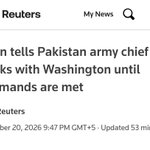
According to Reuters and Nournews, Iran has told Pakistan's Army Chief that there would be no talks with Washington until Tehran's ​demands were met. President Masoud Pezeshkian discussed mediation efforts and regional developments with Field Marshal Asim Munir in Tehran.
1
2
293
Iran appears to be hardening its stance despite sincere ‌mediation efforts by Pakistan's Army Chief. There is a lot of uncertainty, at least till the time elections are concluded in Israel and USA.
1
24
South Asia Watch retweeted
Born of a particular history, carried into the making of two states, and contested across generations, the Two-Nation Theory remains an idea whose legacy reaches far beyond the circumstances of its birth. 𝗧𝘄𝗼-𝗡𝗮𝘁𝗶𝗼𝗻 𝗧𝗵𝗲𝗼𝗿𝘆: 𝗧𝗵𝗲 𝗨𝗻𝗳𝗶𝗻𝗶𝘀𝗵𝗲𝗱 𝗔𝗿𝗴𝘂𝗺𝗲𝗻𝘁 Wednesday, 21 October 2026 10:30 pm PKT Set a reminder for upcoming Space! xitter.cf/i/spaces/1rGmqpymEbDGy 𝗜𝘀 𝗶𝘁 𝗯𝗲𝗶𝗻𝗴 𝗿𝗲𝘃𝗶𝘃𝗲𝗱, 𝗿𝗲𝗶𝗺𝗮𝗴𝗶𝗻𝗲𝗱 𝗼𝗿 𝗿𝗲𝗰𝗼𝗻𝘀𝗶𝗱𝗲𝗿𝗲𝗱 𝗮𝘀 𝗵𝗶𝘀𝘁𝗼𝗿𝘆 𝘂𝗻𝗳𝗼𝗹𝗱𝘀 𝗮𝗻𝗱 𝗽𝗼𝗹𝗶𝘁𝗶𝗰𝗮𝗹 𝗿𝗲𝗮𝗹𝗶𝘁𝗶𝗲𝘀 𝗲𝘃𝗼𝗹𝘃𝗲? The rise of Hindutva in India appears to lend renewed relevance to the anxieties that informed the demand for Pakistan: concerns about the constitutional, civic, cultural, economic and political rights, protection and representation of Muslims in an independent India. Perhaps the question is not simply whether the Two-Nation Theory has endured, but how its meaning, implications and legacy continue to be interpreted across generations.
3
6
1
21
623
Netanyahu presented this map during his address on Israel's updated national security doctrine. He wants to see the Middle East divided into three main blocs: Makkah Defence Alliance (Türkiye, Saudi Arabia, Egypt, Pakistan), the Iranian Axis of Resistance (Iran, Iraq, Lebanon, Yemen), and an Israel-UAE strategic partnership with wider allies. The map illustrates shifting regional power dynamics following Israeli aggression against all of its neighbors during last three years. The visualization underscores Israel's perspective on emerging alignments, positioning the Israeli-Emirati bloc as a counter to Muslim majority Middle East.
1
1
2
294
Netanyahu is making some last ditch efforts ahead of October 27 elections. Elections will determine his fate - whether to continue as prime minister or go to the jail.
1
51
The first-ever China-Pakistan regular army joint exercise “Karakoram 2026” is underway in Korla, Xinjiang. In the exercise, Pakistani forces train on Chinese high-altitude gear including armored vehicles, UAVs, and weapons systems while both sides exchange counterterrorism tactics, with drills covering drone operations, moving target firing, long-range sniping, and joint command in plateau terrain. Earlier special forces of both countries maintained cooperation which has been upgraded into full army-level interoperability.
1
3
285
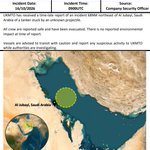
**Two VLCC Oil Tankers Attacked Within Hours in the Persian Gulf Northeast of Al Jubayl** Yesterday, two separate attacks struck very large crude carrier (VLCC) oil tankers in the Persian Gulf, northeast of Saudi Arabia’s Al Jubayl port, as confirmed by successive UK Maritime Trade Operations (UKMTO) warnings. In the first incident, a tanker was hit by an unknown projectile roughly 68 nautical miles offshore. The crew was safely evacuated and no injuries were reported. Hours later, a second VLCC came under attack approximately 78 nautical miles from the coast. An RPG fired from a small boat struck the vessel’s aft port quarter, causing structural damage. All crew members were accounted for and unharmed. The rapid sequence of attacks on commercial oil tankers has raised fresh concerns about maritime security in a critical energy shipping corridor.
1
2
171
Both incidents occurred in close succession in the same general area, prompting UKMTO to issue immediate advisories. Vessels transiting the region are urged to exercise heightened caution, maintain vigilant watch for suspicious small-boat activity, and report any unusual contacts to authorities. Official UKMTO maps highlight the attack zones, and investigations into both incidents remain ongoing. These rapid attacks on commercial oil tankers have raised fresh concerns about maritime security in the Gulf.
1
43