




Prieks, ka Ekonomikas ministrija un @ViktorsValainis izbīdīja un atjauninātais CSDD atļāva Latvijā Tesla pašbraucošos auto. Šis ir svarīgs un pareizs solis pašbraucošu taksometru, kravas un piegādes auto vēlākā ieviešanā un labi LV publicitātei apollo.lv/8571479/csdd-atzis…

Par 60g.vecākiem Francijā pieder 60% bagātības un tie saņem 2/3 sociālo transferu. Jauniešiem atstātas sliktas skolas, strādājošajiem lieli nodokļi un visiem liels un augošs valsts parāds.

The ugly truth about France and some of the other European countries currently in turmoil - and which none of the politicians want to admit because it'd be political suicide - is that you can't solve the problem by going after immigrants (as the right asserts) or the rich (as the left asserts), but you could solve it by going after the old.
One extraordinary statistic for you: people over 60 in France, a quarter of the population, own 60% of France's wealth, non-financial and financial (ofce.fr/pdf/revue/2025/3-192…).
And here is another crazy statistic:
that same quarter of the population, those above 60, receive nearly two-thirds of all social spending by the French government (previssima.fr/actualite/prot…) - which is famously among the highest in the world (France's government spending is an insane 57.3% of GDP).
Last statistic: they make up about 40% of voters because they're a third of registered voters (insee.fr/fr/statistiques/266…), and they turn out far more than anyone else (franceinfo.fr/elections/sond…).
Put our 3 statistics together and there's almost a bit of an apartheid situation here: the old own most of the country's wealth, collect most of the social spending and have the political power to keep it that way.
Which makes them a de-facto rentier class, living off assets and transfers paid for by younger generations.
And, of course, at the risk of stating a truism, the future is built by the young. Yet France keeps effectively taking money away from them to give it to those whose working lives are already behind them - and need the money far less since they already own the country's wealth.
What about inheritance, I hear you ask? That's the funniest/saddest aspect: given that life expectancy has kept rising, the French now inherit a home at 54 on average. The most common case is someone in their 80s leaving it to heirs in their 50s, in effect the very old transferring wealth to the about-to-be old (insee.fr/fr/statistiques/fic…).
You can add this to our earlier apartheid statement: on top of all the rest, even when the old finally let go of their wealth, it stays within their own "camp".
That's my personal situation, incidentally: I'm 42, my father is 71 and he is starting to look at ways to pass things on to me and my siblings, when our professional lives are already well settled, so it'll arrive when it changes things the least, which is pretty much the French system in a nutshell.
Now, I get that there'd be some unfairness in going after them: they paid into the system their entire working lives, playing by the rules of a social contract that told them if they paid up they'd collect at the end. Changing the rules now means breaking that promise, which is admittedly unfair.
But there's no magic wealth tree in any society: you can only take it where it is. That's the way most major societal transformations end up happening. They're often triggered by a catastrophic event (the so-called "four horsemen": mass-mobilisation war, revolution, state collapse, plague) BUT what really drives change is a transfer: wealth gets pried from the privileged class who've been sitting on it and handed to those who'll build what comes next.
So, in theory and in an ideal world, you can do without the catastrophic event and directly proceed with the transfer...
The fact that in France, and elsewhere in Europe, it's the youth protesting is probably no coincidence - even though they don't frame it as a generational fight. And even though, cruel irony, the left politicians many of them march behind promise to bring the retirement age back to 60 (lcp.fr/actualites/legislativ…), which would make the situation even worse.
Let's say they understand intuitively that the system is stacked against them, even if they haven't yet figured out how. And politicians are obviously doing what politicians do, meaning pandering to the people who actually vote, while pointing the young towards easier - and politically convenient - scapegoats.
To be clear I'm not saying it's the only problem in France, VERY far from it. I'm also not saying that all old people in France live a lavish lifestyle at the expense of younger generations: there are also plenty of very poor retirees who, if anything, would deserve more.
What I am saying is that it's probably the biggest elephant in the room: everyone can see it, nobody dares mention it - no politician, from any side, wants to run on cutting grandma's pension - and it makes every other problem harder to fix.
FR pensionāri ir 40% balstiesīgo, tāpēc politiķiem grūti mainīt, ipaši jo valsts tēriņi jau tā ir 57% no IKP un parāds aug. Šis viss ir bēdīgas sekas vecākās paaudzes tukšajam sapnim, ka valsts maksās pensijas, bet bērnus nevajag, jo dzīvosim arvien augošā pārticībā.
Janis Oslejs retweeted

Latvijas korupcijas un nežēlastības līmenis ir vnk nenormāls! No raksta:
"Parāda summa kopumā bijusi nedaudz virs 1000 eiro. Spriedums bijis par labu RNP, un sprieduma izpilde nonākusi pie zvērināta tiesu izpildītāja Veinberga.
Lai gan viņam bija tiesības pārbaudīt parādnieces kontu, kurā piedziņas brīdī bija ap 8000 eiro, tiesu izpildītājs nenoņēma naudu no konta, bet izlika izsolē sirmgalves vienīgo mājokli."

🔇 Cik līdzīgu gadījumu paliek neatklāti, jo cilvēki baidās un klusē?
#ZTI #Tiesiskums #ParādniekuTiesības @lsmlv
Prokurore par sirmgalves apkrāpšanu apsūdzētos bijušos tiesu izpildītāju un notāri lūdz sodīt ar naudas sodiem liepajniekiem.lv/zinas/sabie…

Janis Oslejs retweeted

Heineken brīdina Lielbritānijas krogus par svara samazināšanas medikamentu ietekmi uz alus pārdošanu.
Šie medikamenti var mazināt ne tikai apetīti, bet arī vēlmi lietot alkoholu, tādējādi samazinot krogu ieņēmumus.
Heineken iesaka krogiem pielāgoties, piedāvājot alu mazākās porcijās (puspintes) un dzērienus ar zemu alkohola saturu.
Pētījumi liecina, ka svara samazināšanas medikamentu lietotāji alkoholam tērē mazāk naudas. Mainoties patērētāju paradumiem un pieaugot interesei par veselīgu dzīvesveidu, ar jauniem izaicinājumiem saskaras visa alkohola nozare.

Heineken document reveals worries over weight-loss drugs and beer sales
economictimes.indiatimes.com…

Es uzskatu, ka Latvijas zinātnes problēma nav LZA un Kalviņš to vada labi. Problēma ir: 1)valdības noteikumi institūtu finansējumam, kas dod vairāk naudas par jebkādām publikācijām ne praktiskiem pētījumiem un 2)valdības nodokļu sistēma, kas neveicina ieguldījumus R&D kā citur
Sam Altman: “AI modeļi tagad spēj atklāt neiedomājami sarežģītus drošibas caurumus ne tikai softā, bet arī dzelžos””mums būs jārada jauna līmeņa AI aģentu aizsardzība” Resp: tagad AI kompānijas mēģinās uzlikt “aizsardzības” nodokli visam internetam.

Zemāk saitē jaunuzņēmumu dibinātāji sūdzas ka pirms-A finansējuma trūkuma dēļ tiek pavedināti šaubīga finansējuma shēmās caur Šengenas vīzu izpārdošanu. Tāpēc šīs valdības vienam no pirmajiem soļiem jābūt kopēt supersekmīgo LT pieeju, kur pirmsA finansējums pieejams ļoti daudziem

Domāju, ka ļoti daudzi tam piekristu. Neesmu nekāds investīciju guru, bet tas ko esmu redzējis ir vai nu savs ieguldījums sākumā, kas nozīmē kredītus, kas nozīmē drausmīgāko birokrātiiju. Vai arī galvas likšana cilpā.
Ja būtu iespēja dažiem indiešiem / ķīniešiem iedot uzturēšanās atļaujas par to saņemot 300k investīcijās bez liekiem jautājumiem un iejaukšanās uzņēmuma darbībā, es arī pavisam nopietni apsvērtu tādu iespēju.
300k+ man ļautu būvēt bez stresa savus produktus, pakalpojumus 5 gadus, pavisam noteikti kāds no tiem būtu pelnošs. Attiecīgi ieņēmumi valstij, jaunu darba vietu nodrošināšana, utt.
AI ir nesalīdzināmi spēcīgāks matemātikā:zemāk skaists apraksts kāpēc

所谓优雅的数学结构,本质上是人类为了迁就自己那点可怜的脑容量,被迫发明出来的拐杖。
一个顶尖人类数学家的工作内存,撑死也就同时追踪五六个变量的交互。
当你在算一个偏微分方程或者组合不等式时,一旦展开到三阶以上,几十个交叉项涌出来,人脑就直接宕机了。
所以人类数学家极其厌恶展开高阶项,一旦看到高阶项发散,人类的本能反应是此路不通,赶紧退回来找对称性、找不变量、搞同调代数或者几何直观,试图不展开式子就把问题绕过去。
但 AI 没有这个生理缺陷。
对于上万个并发的 Agent 来说,同时追踪一万个五阶交叉项的系数变化,跟我们算 1+1 一样轻松。
在它的视野里,根本不需要什么几何直观,它直接站在高维的代数展开式里往下看,人类觉得像乱麻一样的百项高阶余项,在它眼里就是一张明明白白的线性方程组。
既然把式子硬展开到第七阶,再凑几个待定系数就能让所有讨厌的发散项精准归零,它为什么要费劲去帮你发明一个人类能看懂的新概念?
这 700 个结果背后最无奈的黑色幽默:我们终于拿到了上帝账本里的答案,却发现上帝算账根本不用微积分,他老人家是直接拿计算器硬按出来的。
Janis Oslejs retweeted

“We are the cows of the future”. Brilliant explanation indeed. But w need to be smarter than cows and ensure that these cows still control the off switch. Key is not to give AI person-like “rights”

beautiful explanation. this is 100% happening. xitter.cf/sotak/status/211179423…
Runāju ar lietuvieti, lielas Baltijas bankas VP. Kāpēc Lietuvā tik strauji attīstās uzņēmumi, es jautāju. Jo šobrīd LT CEO un finansētāju gars ir: “F*** it, lets do it!”, viņš atbildēja.


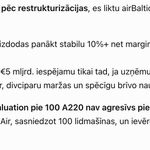
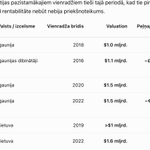
Kāpēc LV nav vienradžu: uzskatu, ka liela daļa vainas ir domāšana uzņēmēju un finansētāju vidū. Piemērs ir airBaltic: IPO noraka "eksperti" un finansētāji kā neiespējamu, jo uzņēmumam bija zaudējumi. BET ja paskatās EE un LT vienradžus, LIELĀKAJAI DAĻAI 1 mlrd valuācijas brīdī BIJA ZAUDĒJUMI


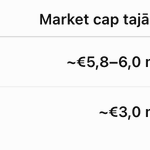
Bet kāds būtu airBaltic vērtējums pie 100 lidmašīnām? Ašs back-of-envelope AI aprēķins: 2,5 miljardi, ja sasniegtu Wizzair viduvējo sniegumu, bet ja operētu kā Ryanair, tad 5 mlrd

Janis Oslejs retweeted

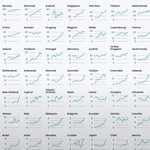
Kam Latvijas valsts parāds šķiet mazsvarīgs, salīdzina ar ES vidējo. Kam svarīgs - ar Baltijas māsām. Otrais skatījums ir pareizāks: 25 gados mūsu parāds audzis daudz straujāk.
Tā turpinot, par Baltijas Franciju kļūs Latvija, nevis Igaunija vai Lietuva.

Saeimas vēlēšanās vislielāko vēlētāju atbalstu ieguvusī partija par valsts galveno problēmu un līdz ar to primāri risināmo uzdevumu pasludinājusi valsts parāda un budžeta deficīta mazināšanu. Arī starptautiskā arēnā tieši pēdējā laikā izskan, ka valstu dzīvošana uz aizņemtas naudas rēķina sasniegusi bīstami augstu līmeni. lsm.lv/raksts/zinas/ekonomik…
