

Art | Freedom | Expression ~ Founded in 2007, we celebrate free expression & believe in the power of art to inspire, awaken & shake the world. #P4Freedom
Free World
Joined June 2011
- Tweets1.3K
- Following298
- Followers488
- Likes1.5K





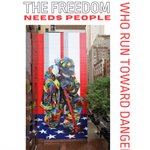

Can we truly call ourselves free if we have no time to enjoy our freedom?
We often associate freedom with fundamental rights: the ability to travel, express opinions, make our own decisions, or create without censorship
Do we truly choose how to spend our time, or do we increasingly allow the demands of others to decide for us?
And finally, can we build a society where freedom also means having space for art, relationships, curiosity, and the joy of everyday life?
How do we celebrate it?
This artist’s perspective invites us to consider whether protecting freedom from political restrictions is enough. Should we also question the social expectations and habits that shape how we spend our lives?
Art reminds us that meaningful activities do not always need measurable results. A painting can start a conversation. A studio can become a meeting place. And sharing art can be a way of celebrating freedom.
At Passion for Freedom, we ask: What is freedom? How do we protect it?
Can someone who is free to do almost anything, but has no time for it, truly feel free?
And if we measure success mainly through productivity, can we still appreciate the value of creating for the pleasure of creation itself?
Our conversation with an artist from Japan raises another important issue: our relationship with work, time, and the culture we live in.
We may have the legal freedom to create, yet live in a society that leaves increasingly room for art, rest, and the simple enjoyment of life.
But for an artist, freedom can mean something very tangible. The opportunity to paint every day, develop a personal artistic language, and share their work with people who want to see it, understand it, or simply talk about it.
How often do we celebrate the freedom we enjoy every day?
In our previous conversations, we explored what freedom means, where its boundaries lie, and how individual liberty can coexist with responsibility towards others.
These three questions are deeply connected. Art reminds us that freedom also has value in the simple act of exercising it, sharing it, and creating something together.
And you? When was the last time you consciously felt that you were exercising your freedom?
Should our enjoyment of freedom come with a willingness to defend it, even when the artistic expression or opinions under threat are ones we strongly disagree with?
At Passion for Freedom, we ask: What is freedom? How do we protect it? How do we celebrate it?
But a more difficult question follows: Is exercising our freedom enough to preserve it?
Can we genuinely celebrate our own liberty while remaining indifferent to restrictions imposed on others?
Can we truly appreciate these freedoms before they are taken away?Celebrating freedom can also mean consciously exercising the rights that previous generations fought to secure. Having the courage to create, explore new ideas, participate in culture, and express our individuality
Art allows us to experience freedom in a unique way. Through our bodies, voices, emotions, and imagination. It brings people together, creates space for individual expression, and sometimes allows us to challenge authority when words alone are not enough.
it is easy to become accustomed to these possibilities. We begin to take them for granted.
Only when we look at places where music can be banned, artists are persecuted, and public self-expression is controlled do we realise how much these seemingly ordinary freedoms mean.
Now we come to the third question, one that is equally important to Passion for Freedom: How do we celebrate freedom?
Living in a society where we can create, express our opinions, meet with others, and make decisions about our own lives,
Does freedom of speech end where someone else's discomfort begins?
“My freedom ends where yours begins.” It sounds reasonable.
At Passion for Freedom, we ask: what is freedom, how do we protect it, and how do we celebrate it?
One of the most difficult ways to protect freedom is to accept the presence of voices that irritate us, challenge our beliefs, and force us to respond.