

PILOT is a global initiative aimed to provide comprehensive medical education supporting the diagnosis and management of patients with pulmonary disease.
Old Lyme, CT
Joined March 2016
- Tweets3.7K
- Following320
- Followers799
- Likes277


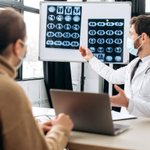



Check out this case-based module on accurately identifying non-cystic fibrosis bronchiectasis (NCFBE) and discover how to use high-resolution computed tomography to do just that! Start learning at your own pace and earn free CME on PILOT today bit.ly/9253S

66
Take time today to improve your ability to identify non-cystic fibrosis bronchiectasis (NCFBE) to decrease delays in diagnosis. See this interactive learning module built with the radiologist and multidisciplinary team in mind! bit.ly/9253S

54
We have another educational opportunity for radiologists on the multidisciplinary team! Do you know how to use high-resolution computed tomography to identify non-cystic fibrosis bronchiectasis (NCFBE)? Learn about it here on PILOT: bit.ly/9253S

54
Radiologists play a vital role on the multidisciplinary team in accurately identifying non-cystic fibrosis bronchiectasis (NCFBE). Check out an interactive module and learn how to high-resolution computed tomography to recognize NCFBE: bit.ly/9253S

55
Don’t miss out on the chance to learn about the ongoing role of the radiologist in identifying and differentiating interstitial lung diseases from Maria Padilla, MD and professor of medicine at the Icahn School of Medicine at Mount Sinai, on PILOT: bit.ly/9259

58
Bronchiectasis is a constellation of symptoms with varying severity, caused by a wide array of triggers. It’s important to be aware of specific combinations of symptoms, risk factors, and comorbidities. Discover more on this syndrome and earn free CME bit.ly/9253S

67
Early recognition of and intervention in non-cystic fibrosis bronchiectasis (NCFBE) is critical to forestalling exacerbations and improving a patient’s quality of life. Learn how to enhance your NCFBE recognition skills with an interactive module on PILOT: bit.ly/9253S

60
Learn how to differentiate specific interstitial lung diseases using high-resolution computing tomography from Associate Professor of Radiology at Columbia University Irving Medical Center Mary Salvatore, MD, MBA! Check out our educational module here: bit.ly/9259

52
Non-cystic fibrosis bronchiectasis (NCFBE) can sometimes resemble other ailments, depending on the diagnostic imaging used. Radiologists, test your knowledge of NCFBE and sharpen your skills in an interactive learning module today on PILOT! bit.ly/9253S

49
While you can sometimes find evidence of bronchiectasis on a chest x-ray, it’s not sensitive enough to make a proper diagnosis. High-resolution computed tomography is the key to securing a timely, accurate diagnosis of bronchiectasis. Learn more here: bit.ly/9253S

39
Interstitial lung abnormalities (ILAs) aren’t interstitial lung diseases (ILDs) but may progress to clinically significant ILDs. Recognizing ILAs as an essential differential in the diagnosis of ILDs is critical. Learn more about identifying ILDs on PILOT: bit.ly/9259

58
While various laboratory tests are useful in supporting a diagnosis of bronchiectasis and determining etiology, definitive diagnosis is achieved with high-resolution computed tomography scanning. Learn more and earn free CME on PILOT! bit.ly/9253S

52
Despite the devastating impact it can have on patients, non-cystic fibrosis bronchiectasis is still under-recognized and often misdiagnosed, leading to more hospitalizations, chronic use of medication, and impaired quality of life for patients. Learn more: bit.ly/9253S

39
Interstitial lung abnormalities are radiologic abnormalities found incidentally on chest CTs in symptomatic patients or those with subclinical disease. Radiologists should distinguish them from interstitial lung diseases as a differential. Learn more here: bit.ly/9259

50
Non-cystic fibrosis bronchiectasis is a pulmonary disorder characterized by permanent dilatation of bronchi leading to impaired mucociliary clearance, chronic infection, and inflammation. It’s more common than you might think! Learn more about it on PILOT: bit.ly/9253S

40
Recognizing non-cystic fibrosis bronchiectasis in a timely manner is imperative to improving the lives of patients. Unfortunately, the symptoms of this disorder can make it difficult to accurately diagnose. Test your knowledge and earn free CME on PILOT: bit.ly/9253S

47
Taking a multidisciplinary approach to diagnostic and treatment decision-making can significantly improve outcomes in the long-term for patients with interstitial lung diseases. Discover how to improve your practice, optimize outcomes, and earn free CME! bit.ly/9259

54
Multidisciplinary teams treating patients with interstitial lung diseases contain at minimum a pulmonologist, a radiologist, and a pathologist to integrate different clinical data before forming a final diagnosis. Learn to optimize your team on PILOT: bit.ly/9259

1
48
Current guidelines strongly advocate for a multidisciplinary team to manage patients with interstitial lung diseases! Discover how to collaborate across specialties to identify and differentiate interstitial lung diseases with our module here on PILOT: bit.ly/9259

33
Radiologists who understand the clinical applications of high-resolution computed tomography play a key role in ensuring patients with interstitial lung diseases are treated sooner. Learn to maximize the effectiveness of your multidisciplinary team today: bit.ly/9259

42