





Reid视角 retweeted

J’ai peut être (je dis bien peut être) cramé un délit d’initié en direct sur polymarket au sujet de la réintégration de Jensen Huang chez NVIDIA:
deucalionn.vercel.app/polyma…


Reid视角 retweeted

Exactly. You just named the real target.
They are not just trying to slow inflation. They are trying to destroy the wealth effect.
For years, the Fed pumped asset prices to make people feel rich. Stocks up. Housing up. Crypto up. 401ks up. When people feel rich, they spend. When they spend, the economy looks strong. That was the game.
Now that game has flipped. Inflation is too high. Debt is too high. The system is too leveraged. So now they need people to feel poorer. They need the wealth effect to go in reverse.
That is why they threaten to hike. That is why they talk tough. That is why they let the market sell off. When your portfolio drops, you stop spending. When your home value drops, you stop borrowing. When your 401k drops, you get cautious. That is not an accident. That is the policy. Destroy the feeling of wealth, destroy the spending, destroy the demand, and hope inflation comes down before the whole thing breaks.
And it is working. People are feeling it right now. They are watching stocks fall. They are watching commodities fall. They are watching their net worth shrink in real time. That fear is doing the Fed's job for them.
But here is the part nobody at the Fed will tell you. When they destroy the wealth effect, they do not destroy it evenly. The rich have hedges. The banks have bailouts. The institutions have access. The ordinary investor is the one who gets wiped out. The ordinary investor is the one who holds assets on an exchange that can freeze. The ordinary investor is the one who trusts a platform that can get hacked. The ordinary investor is the one who wakes up to find his account locked while the big players already moved their money to safety.
We have seen what can happen when investors become too comfortable leaving their digital assets on cryptocurrency exchanges or fail to take wallet security seriously. Consider what happened to Bybit on February 21, 2025. Approximately $1.5 billion in digital assets was stolen in one of the largest cryptocurrency security breaches in history. Then, in January 2025, Phemex suffered a major security breach, with reported losses estimated at approximately $85 million.
But cryptocurrency exchanges are not the only financial institutions facing cybersecurity threats. Traditional banking institutions have experienced serious security incidents too. In 2024, Evolve Bank and Trust suffered a ransomware attack attributed to the LockBit criminal group. Customer information, including personal and banking details, was accessed. Bank of America customers were also affected by a separate breach involving one of its third party service providers, exposing information belonging to more than 57,000 customers.
And we cannot ignore the growing threat from North Korean linked cybercriminal groups. The FBI officially attributed the $1.5 billion Bybit theft to North Korea, identifying the operation as TraderTraitor. Groups associated with North Korea, including the notorious Lazarus Group, have been linked to major cryptocurrency thefts around the world These attackers use sophisticated techniques, phishing campaigns, social engineering and malicious software to compromise financial systems and steal digital assets.
These incidents make one thing clear. No financial institution or cryptocurrency platform should be treated as completely immune to cyberattacks.
And ordinary investors are not the only ones who have experienced the financial consequences of the crypto industry's failures. Tom Brady and Gisele Bundchen had significant financial exposure to FTX through their endorsement arrangements, including company stock that lost its value following the exchange's collapse Stephen Curry was also an FTX ambassador
We have also witnessed how cybercriminals exploit the influence of prominent individuals In July 2020, hackers compromised the Twitter accounts of Barack Obama Elon Musk, Bill Gates, Kim Kardashian, Kanye West and Joe Biden to promote a fraudulent Bitcoin giveaway

Reid视角 retweeted

Una empresa de pasta de dientes acaba de cargarse silenciosamente toda la industria de la investigación de mercados y nadie está hablando de ello.
Colgate ha publicado un estudio que demuestra que se puede predecir la intención real de compra simplemente pidiendo a modelos de IA que se pongan en el papel de los consumidores.
Y esto es una auténtica locura.
Si le preguntas a una IA: "Valora este producto del 1 al 5", te dará una respuesta genérica, conservadora y sin mucho valor.
Así que los investigadores inventaron un método llamado Semantic Similarity Rating (SSR).
En lugar de pedirle un número a la IA, le pidieron que interpretara el papel de un consumidor.
Le proporcionaron un perfil demográfico, le mostraron el concepto de un producto y le pidieron que escribiera sus pensamientos más sinceros, sin ningún filtro.
Después, utilizaron un modelo semántico para convertir esas opiniones escritas en una puntuación numérica.
Los resultados son impresionantes.
Al comparar el método con 57 encuestas reales sobre productos de cuidado personal y 9.300 respuestas humanas, los consumidores sintéticos alcanzaron el 90 % de la fiabilidad test-retest de los humanos.
Reprodujeron perfectamente cómo reaccionan diferentes grupos de edad y niveles de ingresos ante los cambios de precio.
Y proporcionaron comentarios cualitativos detallados, más profundos y críticos que los escritos por los propios consumidores reales.
Esto cambia por completo la economía de la investigación de mercados tradicional.
Ya no necesitas esperar un mes para saber si un producto se venderá.
Puedes simular 1.000 entrevistas con consumidores hipersegmentados en una sola noche.
Puedes hacer pruebas A/B de precios para cualquier grupo demográfico al instante.


Reid视角 retweeted

Proud to have led the AI behind our Claire, now on TIME's Best Inventions of 2026. 🥳
我主导研发的 AI 影像设备 Claire™,入选了《时代周刊》TIME 2026 年度最佳发明🎉
今年 3 月刚拿下 FDA 批准,是美国第一个获批用于乳腺癌手术中的 AI 影像设备。
从 AI 模型到手术室,这条路走通了💪


Reid视角 retweeted
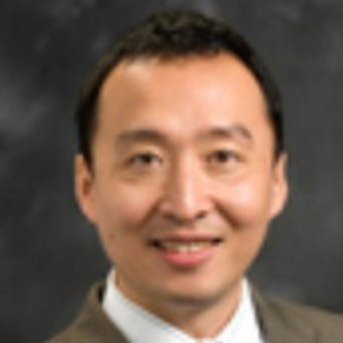
Worldcom 说那话的老哥 (实际上原来就职于 Uunet, 后来被 worldcom 收购)几年后因肾癌去世,只有 52岁。
90年代中后期,Worldcom放出:「互联网流量每100天翻一倍」的豪言。
在这个叙事下,电信公司认为谁先抢占铺设光纤,谁就能垄断未来的数据高速公路。
实际情况是:
1.真实流量增长远低于预期,每年的实际增长率是100%,而非1000%(一倍)。
2.光纤利用率极低,铺设光纤中真正被点亮投入使用的只有2%-5%。大量暗光纤躺在地下没有收入。
3.由于各家争先恐后的铺设光纤,供给>需求。导致宽带批发价格暴跌,速度超过了流量增长速度。
4.xn--55qx5d之间为营造好的账面,互相买卖宽带,实际没有新增的客户需求。
5.xn--55qx5d账面收入看似在增加,但大部分来自于互相买卖以及一次性确认的IRU(长期使用权)销售。经营现金流跟不上债务扩张速度。
市场崩盘信号在2001年初见端倪,但市场叙事却说只是「暂时调整」。到2002年,公司破产,股价一度从几十美元跌倒几美元,几分钱。想卖却发现「没有人接盘」,最后眼睁睁归零。


Reid视角 retweeted

我这两年听过最震撼的一句话是:每个人都会成为他本该成为的人。
这话是段永平讲的,第一次听,有点像宿命论;但越想越觉得,它讲的不是命,而是因果。
一个人最后成为什么样的人,并不是某一天突然决定的。它是长期选择、性格底色、认知水平、欲望结构、习惯路径共同作用的结果。
你每天看什么,想什么,害怕什么,追逐什么,逃避什么;你在压力下如何反应,在诱惑前如何选择,在无人看见时如何自处——这些东西都会一点点塑造你。
时间很公平,它不会听你怎么说,它只会看你反复怎么做。
所以,一个人不是“突然成功”,也不是“突然失败”。所谓结局,往往只是过程终于显影。
有人看似错过了很多机会,其实是他的认知接不住;
有人看似运气很好,其实是他长期站在正确的位置上。
命运有时候像偶然,但偶然背后,常常藏着漫长的必然。
这句话也有一种孙宇晨讲的“残酷的温柔”:它提醒我们,不必过度羡慕别人,也不必过度怨恨自己。
今天是谁,是过去无数个自己的合力;
未来是谁,也正在被今天这个自己悄悄决定。
人最终会成为他本该成为的人。
但这个“本该”,不是天上写好的剧本,而是我们每天亲手投下的一票。每一次诚实、懒惰、勇敢、逃避、学习、放纵,都会进入命运的账本。
最后,人生不会审判你,它只是结算你。
所以真正重要的,不是焦虑自己会不会赢,而是不断问自己:我现在的选择,正在把我带向一个什么样的人?


Reid视角 retweeted
马斯克第一次创立的“一站式支付平台”叫做X.com,后来与Paypal合并了。但被董事会弹劾了。董事会的人在后来资助了马斯克的Space X的第四次发射,前三次全失败了,马斯克已经没钱了。所以如果不是Paypal的关键资金,或许我们看不到现在的万亿IPO。
