

Author of #TheGaslightEffect, Co-creator @RULERapproach, and Senior Advisor to the Director @YaleEmotion #Emotionallearning
NYC
Joined February 2013
- Tweets1.3K
- Following5.8K
- Followers3.7K
- Likes21.7K





Pinned Tweet
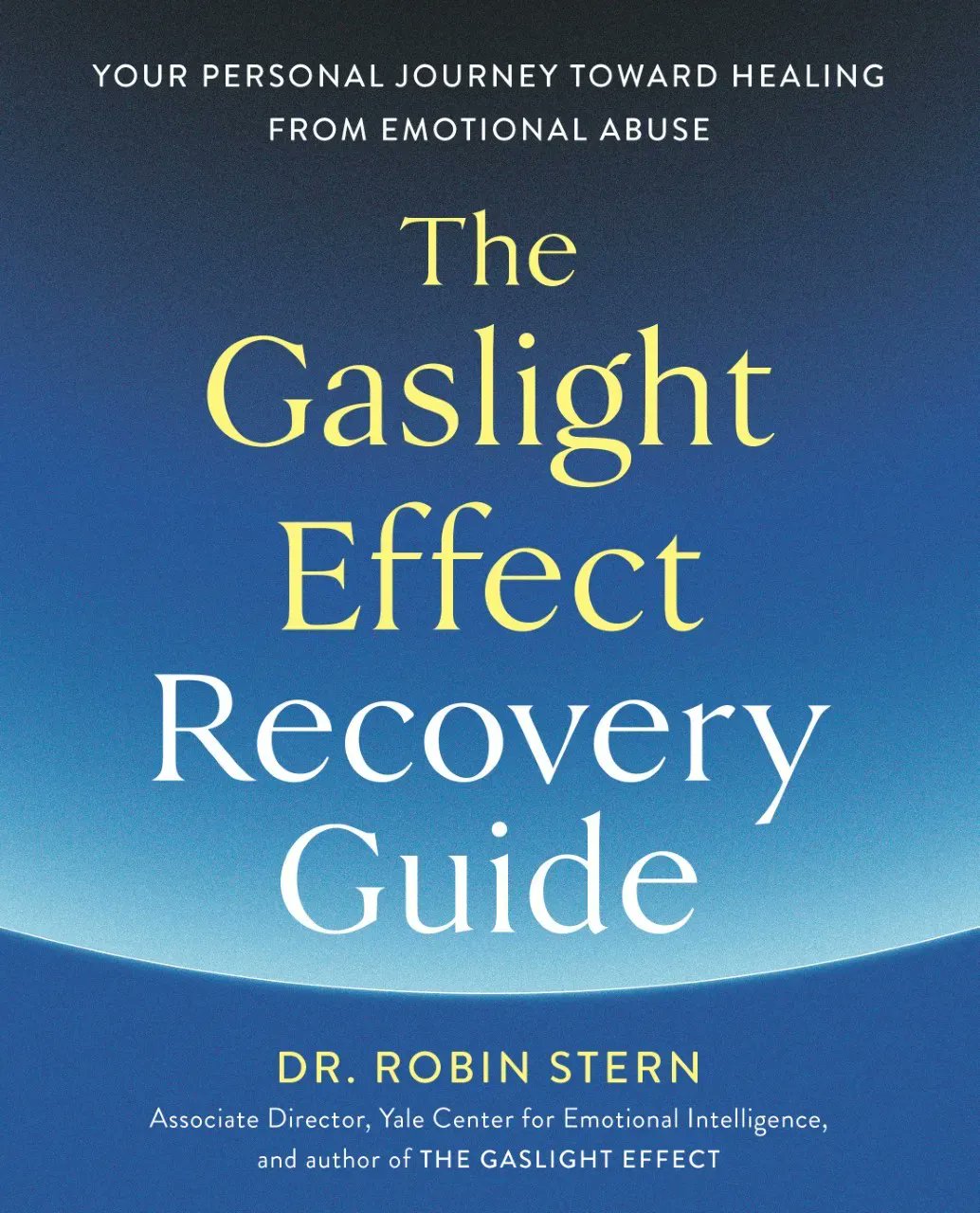
I'm excited to announce that my book, #TheGaslightEffectRecoveryGuide is now available on all platforms! This time, as an interactive workbook, readers can learn about gaslighting & how to recover through prompts, checklists, quizzes & reflective questions buff.ly/3EkOSHQ
If struggle was the version of life you grew up with, an easier life can feel strangely disloyal. You can want more stability than your family had and still feel guilty when you finally get it.
With Marina Tempelsman and Niccolo Aeed.
“Communicate better” is not neutral advice when one person is controlling the relationship and the other is already questioning their own reality. Sometimes treating abuse as mutual conflict only gives the harmed person more work to do. podcasts.apple.com/us/podcas…


Sometimes understanding what happened is only one part of recovery. Marissa Ghavami describes how she notices activation in her body and works with the sensation instead of spending the day arguing with the story in her head. podcasts.apple.com/us/podcas…
Control is hardest to recognize when it sounds like love. “I’m worried about you” can be care, but repeated concern can also discredit your judgment and shrink your world. Marissa Ghavami and I talked about that distinction. podcasts.apple.com/us/podcas…


We use someone’s trauma to explain cruelty, and sometimes that explanation quietly becomes permission. Pain can explain behavior. It does not make harming someone inevitable. Marissa Ghavami and I talked about compassion, accountability, and abuse. podcasts.apple.com/us/podcas…
The person easiest to gaslight may be the one most willing to admit they could be wrong. Self-reflection is healthy. Doing all of the questioning while someone else defines reality is not. Marissa Ghavami and I talked about that line. podcasts.apple.com/us/podcas…


Being smart, successful, supported, and confident does not make someone manipulation-proof. Sometimes those are exactly the qualities another person learns to exploit. Marissa Ghavami and I talked about why the “perfect victim” stereotype is so dangerous. podcasts.apple.com/us/podcas…
Gaslighting does not need romance. A friend, family member, roommate, colleague, or community can also make you question your own perception. Marissa Ghavami and I talked about it here: podcasts.apple.com/us/podcas…


Nobody joins a cult because it looks like one.
Marissa Ghavami thought she was reading spiritual books with someone she trusted. Slowly, her own reality became the thing being questioned.
Gaslighting, spiritual abuse, and recovery: open.spotify.com/episode/4qa…
We tell children to be kind, but they’re also watching who adults decide deserves ridicule, contempt, or hate.
Fear and anger are real. They’re just not permission to dehumanize someone else.
New w/ Bridget Harris in @PsychToday: psychologytoday.com/us/blog/…
#emotionalintelligence

“Fine, you’re right” doesn’t always mean your kid agrees. Sometimes disagreeing with you just became more exhausting than pretending to.
Sasan and Vail teach young people to practice disagreement before the stakes are real.
open.spotify.com/episode/1vA…
#Peace #Conflict #Parenting


We’ll ruin an entire afternoon just to win an argument nobody will remember tomorrow.
Sasan watched a football argument between teenagers at lunch turn into shouting, and the anger followed them into class.
Full episode: open.spotify.com/episode/1vA…
#conflict #debates #peace
“We never fought in front of the kids” doesn’t mean the kids felt peace.
Vail Brokaw called what he grew up managing negative peace.
New episode of The Gaslight Effect with Vail Brokaw & Sasan Korangy. open.spotify.com/episode/1vA…
#Peacebuilding #FamilyConflict #ConflictResolution


Peace sounds beautiful until it asks us to stay curious with someone we think is wrong. @drmarcbrackett & I wrote for @USATODAY about Sasan Korangy and Vail Brokaw, and what they’re teaching us about practicing peace. Read it here: usatoday.com/story/opinion/2…
#Internationdayofpeace


25 years after 9/11, we still cannot promise children that nothing terrible will happen. But we can offer something more credible: “If something bad happens, I will be here.” @drmarcbrackett & I wrote about this for @USATODAY
f.mtr.cool/8iejqnk9ip
#Emotionallies

We like believing intelligence makes us immune to cults. But a group can also hold your friends, identity, purpose, faith, and future. Chris Shelton and I talked about why facts alone do not undo coercive control.
f.mtr.cool/23kt08n8ct


Love bombing is easy to recognize after you know where it leads. It is harder when you have felt invisible and suddenly an entire group is telling you that you matter. Chris Shelton and I talked about belonging, recruitment, and coercive control.
🔗 f.mtr.cool/tlongnwc0k
After betrayal, a vacation, birthday, or ordinary night you once loved can feel different because now you know there was another reality beside yours.
Dr. Debi Silber and I talked about what happens when the truth reaches backward and changes the past: podcasts.apple.com/us/podcas…
We praise people for “keeping the peace” without asking who pays for it. Dr. Debi Silber found that people who protected the betrayer from consequences were also the most physically sick. When does keeping the peace become protecting the #betrayal?
podcasts.apple.com/us/podcas…