

To contact the County of San Diego Vector Control Program, please call (858) 694-2888 or visit https://teapaw.org/t.co/MKG9vQCQXL.
Joined January 2013
- Tweets869
- Following128
- Followers224
- Likes31


Dump and drain after the rain! Water likes to collect in sneaky places, make sure to check drains and gutters, potted plant saucers, covers and yard junk! Putting items away will also help prepare for the next rain.

15
Check for standing water around your neighborhood, patio, or backyard after the rain! Plant saucers, outside pet bowls, and trash or tires can hold enough water for mosquitoes to start their lifecycle. For more information on mosquito prevention, visit SDVector.com!

33
Check your drains to make sure they aren't holding standing water. You can use a flashlight to check for a reflection, which will tell you that water has collected in the drain. To keep mosquitoes out, use a fine mesh screen to cover the drain and pop the lid back on to secure. This will keep mosquitoes from breeding in your standing water! Visit sdvector.com for more tips!
16
Some health issues require expertise from more than one discipline or sector. Connecting that expertise helps partners communicate, coordinate, and act across areas of work. The Vector Control Program works with environmental health, public health, and many other community programs to help prevent vector-borne diseases. However, our most important partnership is with the community members who can help by following mosquito prevention guidelines and encouraging others to do the same! #OneHealth #OneHealthDay

1
9
Halloween may be over, but there are still scary things out there like mosquitoes! After the rain it's time to dump and drain standing water to prevent mosquitoes! Mosquitoes only need small amounts of standing water to lay their eggs in, so make sure to check around your home before something scary starts growing!

20
Happy Halloween from Vector Control! Don't let mosquitoes haunt you during spooky season, make sure to fright the bite! If mosquitoes are out, make sure to wear repellent to protect yourself from mosquito bites. After the rain this weekend, make sure to dump out standing water to prevent mosquito breeding!

45
The County of San Diego Vector Control Program will be doing routine aerial mosquito larvicide drops on October 29, 2026. These treatments protect our communities by lowering mosquito numbers, which helps decrease the risk of West Nile virus in San Diego County. Learn more about the Vector Control Program's aerial treatments at SDFightTheBite.com.

29
After the rain, check your drains to make sure they are flowing properly. You can use a broom to sweep water away that can’t be drained. Don't leave standing water for mosquitoes to find!

16
Mosquitoes only need a quarter of an inch to get their lifecycle started! Check inside your home, patio, backyard, and community for standing or still water and dump it out. The mosquito lifecycle only takes a week or less to go from egg to an adult mosquito. For more information on mosquito prevention, visit SDVector.com.
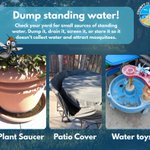
Don't forget to dump out standing water around your neighborhood, patio, or backyard after the rain! Plant saucers, patio covers, and water toys can hold enough water for mosquitoes to start their lifecycle. As we head into a warm weekend, wear your repellent to prevent getting bit by mosquitoes. For more information on mosquito prevention, visit SDVector.com!

36
It's time to dump and drain after the rain! Many things have filled up over the weekend, so now is the perfect time to search around your home and yard for sources of standing water that may be left behind. Check everything from potted plant saucers, cover or tarps, yard drains, and even trash or junk you forgot to put away. If you forget to check, you may be seeing more mosquitoes after the warm weather ahead, so make sure to dump it out!
24
The culex mosquito can spread West Nile virus after it bites an infected bird. These mosquitoes are larger, brown, and come out during dawn and dusk. They prefer to feed on birds, but will bite humans too, so make sure to wear repellent in the early morning and evening when these mosquitoes are out to help prevent bites. Culex mosquitoes prefer larger sources of water but can still be found in your backyard so makes sure to dump standing water and report green or unmaintained pools in your neighborhood that could be causing mosquito problems. Visit sdvector.com for more information or to contact us.

35
West Nile virus is a disease transmitted to humans, birds, horses, and other animals by infected mosquitoes. The Vector Control Program staff monitor West Nile activity by collecting and testing mosquitoes and by testing dead birds. Crows, ravens, jays, hawks, owls, and falcons are especially susceptible to West Nile virus. If you find a dead bird that has been dead for less than 24 hours, you can report it by calling or emailing the Vector Control Program. For more information on West Nile virus, visit SDVector.com.

12
West Nile virus is a mosquito-borne disease that can cause flu-like symptoms typically within 2-14 days after you are bitten. To protect yourself against mosquito bites, wear an EPA-certified repellent like DEET, Picardin, IR3535, or Oil of Lemon Eucalyptus. The easiest way to prevent mosquitoes near you is to dump out still or standing water! Visit SDVector.com for more information on West Nile virus.

Mosquitoes love the hot and humid weather. Dump standing water to prevent mosquito breeding and wear repellent to prevent bites!

31
The County of San Diego Vector Control Program will be doing routine aerial mosquito larvicide drops on October 7, 2026. These treatments protect our communities by lowering mosquito numbers, which helps decrease the risk of West Nile virus in San Diego County. Learn more about the Vector Control Program's aerial treatments at SDFightTheBite.com.

65
Noticing more mosquitoes near the coast? The salt marsh mosquitoes like to take advantage of those high tides and emerge all at once! The Vector Control Program has been out in the marshes treating to help reduce mosquito numbers, but wearing repellent will help prevent annoying bites. Thankfully these mosquitoes do not spread diseases to people, they are just very aggressive biters.

29
Mosquitoes need water that is stagnant or not moving but they can grow in almost any water source with more than ¼ inch of water! Check anything around your home that can hold water and dump it, drain it, screen it, or put it away. For more tips on where to look, visit sdfightthebite.com

21
Want to learn more about West Nile Virus? Join us at the Pacific Beach Library next week on Wednesday, September 30 from 9:30am-11:30am! Vector Control staff will be available to answer questions and share information about preventing mosquitoes and protecting yourself from West Nile virus. Find more information at sdvector.com!

31
The best way to avoid West Nile virus (WNV) is to prevent mosquito bites. Mosquitoes become infected when they feed on infected birds and then spread WNV to humans through mosquito bites. WNV is not spread from person to person. Keep yourself protected by wearing a mosquito repellent to protect against bites and dumping standing water to prevent mosquito breeding. Visit sdvector.com for more information on WNV and mosquito prevention.

28