

Psychotherapy clinic specializing in child/family, forensics, youth sexual issues, pornography addiction. Home of STAR Guides.
St. George, Utah
Joined April 2011
- Tweets2.6K
- Following763
- Followers831
- Likes7


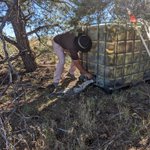

If you’ve discovered your teen son is using pornography, know this: he’s often seeking closeness, not just stimulation. That’s a hopeful place to start. Try these steps today: 1) Open a calm, nonjudgmental conversation. 2) Replace shame with curiosity — ask what he’s feeling. 3) Explore targeted help like the Recovery Toolbox for Teens or STAR Guides Wilderness for a deeper reset. You don’t have to navigate this alone — local teams (Southern Utah) specialize in teen-focused addiction and relationship work. Learn more and get support: wix.to/2MNp0vO ⚠️ Reach out early — connection heals. #TeenMentalHealth #AddictionRecovery #FamilySupport 🔍

51
If you’re watching your teen son struggle with pornography, the instinct is to fix screens — but lasting change comes from rebuilding a life worth living. Start small: 1) Encourage real-risk activities (sports, theater) to practice messy, human connection. 2) Pivot toward service — helping others reduces self-focus. 3) Schedule tech-free outdoor time to reconnect with beauty and perspective.
When home strategies aren’t enough, specialized support can help. Our STAR Guides wilderness program in Southern Utah unplugs boys from digital simulation and pairs clinical care with nature-based growth. You don’t have to navigate this alone — reach out to learn structured, evidence-informed steps that protect your relationship while guiding recovery. 🔗 Read more: link below
Read the full parent guide: wix.to/cpe0On0
#MentalHealth #AddictionRecovery

35
Feeling overwhelmed after discovering your teen son is struggling with pornography? You’re not alone — and there are practical tools that work. Urge surfing teaches him to notice the craving, track the physical sensations, anchor to his breath, and wait it out until the wave passes (usually 10–30 minutes).
Try this quick 4-step skill with him:
1) Name the urge: “The urge is here.”
2) Locate sensations in the body.
3) Anchor to slow, steady breaths.
4) Observe the decline — it will subside.
For teens who need more structure, combine urge surfing with daily routines, workbooks like the Recovery Toolbox for Teens, or our STAR Guides wilderness program. Small, repeated choices lead to lasting change. Learn more and get support: wix.to/eFXMP3L 🔗👏 #MentalHealth #AddictionTreatment #ParentingTips
24
Recovery after compulsive pornography use is a marathon, not a sprint. In Phase 3 (6 months to 2+ years), your teen’s prefrontal cortex is rebuilding — and that structural repair needs steady support, not shame. Tip: Pair daily structure (age‑appropriate workbooks) with deeper interventions when needed (like STAR Guides wilderness therapy) to remove digital triggers and give the brain space to heal. Slips won’t erase progress — consistency matters more than perfection. Learn more and find resources for parents: wix.to/qrTZaMQ #mentalhealth #addictionrecovery
9
Phase 2 (Days 30–90): the brain’s dopamine system starts to recover — a critical time when teens need connection, consistency, and guidance. Practical tips for parents here: wix.to/ctwvXrS #Parenting #TeenMentalHealth #Recovery
13
Discover why your teen’s irritability, brain fog, or withdrawal after stopping pornography isn’t willpower failing — it’s biology. Weeks 2–4 are the most volatile as the brain recalibrates; cravings, mood swings, and low motivation are all part of recovery.
Practical steps you can use now:
• Add structure and digital friction (filters, remove devices from bedrooms overnight)
• Encourage earned dopamine: exercise, team sports, music, hands-on projects
• Normalize discomfort—explain the neuroscience without shame
• Stay connected: unconditional support beats judgment
If this is causing serious safety or mental-health risks, reach out to a licensed clinician. Learn more and get a step-by-step family plan: wix.to/43aBsgZ
A compassionate, evidence-based approach is available in Southern Utah — you don’t have to walk this alone. #MentalHealth #AddictionRecovery

16
Finding out your teen is struggling with pornography can feel overwhelming — but there are clear, practical steps you can take. Start by assessing where they are: curiosity, habitual use, or compulsive addiction. For many families, the Recovery Toolbox for Teens (workbook bundle) provides structured, shame-free tools parents and teens can use together to rebuild communication, set healthy boundaries, and replace harmful habits.
If you’re seeing red flags — secrecy, escalating use, falling grades, or emotional withdrawal — more intensive care like STAR Guides Wilderness Therapy (gender-specific, ages 13–17, full digital detox, trauma-informed treatment) may be needed. Observe without panic, open gentle conversations using “I notice...” statements, set device boundaries, and seek professional guidance early.
You don’t have to navigate this alone. Visit the full guide to learn practical first steps and program options. Strong families and healthier teens are possible with the right support. 🔗 Read more: wix.to/MXhBnVw #MentalHealth #AddictionSupport

24
Weeks 2–4 are the toughest—and not because your teen lost motivation. This period is a biological withdrawal: dopamine receptors are downregulated, leaving him irritable, numb, and foggy. Expect mood swings, anhedonia, and brain fog. Don’t rely on willpower alone. Practical steps you can take now: 1) Get specialized adolescent therapy (CBT/ACT). 2) Use structured tools like the Recovery Toolbox for Teens. 3) Consider intensive options (STAR Guides Wilderness Therapy) when home strategies keep failing. You’re not failing as a parent—this is detox. If you’re in Southern Utah and need guidance, start with our guide and clinical referrals at the link below. Read more and get support: wix.to/02zdlyn #mentalhealth #addictiontreatment
1
25
Discover the neuroscience behind recovery so you can support your teen with patience and practical steps. Recovery from pornography is biological — not moral failure — and the teenage brain can heal through neuroplasticity. Key timeline to know: weeks 2–4 (withdrawal), 30–90 days (early rewiring), 6 months–2+ years (long-term structural recovery). What you can do now: 1) Add structure & friction (filters, device boundaries). 2) Encourage natural dopamine boosters (exercise, music, team activities). 3) Normalize the discomfort and stay nonjudgmental. If use is severe or safety risks exist, consider specialized programs like STAR Guides or a teen-focused therapist. Learn more and get resources for parents: wix.to/FrL6RNf 🔗 Read the full parent guide and next-step care options. #MentalHealth #AddictionRecovery

1
54
Seeing your teen choose a screen over connection is terrifying — but it’s often not about sex. It’s about stalled emotional development. Help him build an “emotional expression” muscle: label feelings, model gentle curiosity, and practice short daily check-ins. Try this tonight: ask, “I noticed you seemed upset — are you feeling stressed or overwhelmed?” Keep it calm, not accusing. For more practical steps and structured resources (workbooks, parent guides, and specialized programs like STAR Guides) visit our full guide. Read more: wix.to/SHWs6Yo 📘🧡 #ParentingSupport #AddictionTreatment #FamilyWellness

75
Finding out your son may be living a secret life with pornography is painful — but it’s also a turning point. Early intervention can stop that fractured identity from calcifying into adulthood. Start with gentle curiosity, set clear boundaries, and use shame-free tools: a Recovery Workbook for Teens, a Parent Guide, and daily practical tips to rebuild healthy habits. For deeply entrenched cases, STAR Guides Wilderness Therapy offers a full digital detox and clinical wilderness care to reset brain and relationships. You’re not alone — take the next step today. Read our guide and resources: wix.to/lCovpbl 🔗✅ #ParentingSupport #AddictionRecovery
30
Feeling worried your son’s secret online habits are changing who he is? You’re not alone—and there are practical steps you can take today. Start with a simple Recovery Toolbox: the 24‑Hour Rule, daily value affirmations, HALT check‑ins (Hungry, Angry, Lonely, Tired), and an accountability partner. If his behavior is severe or causing deep isolation, specialized programs like STAR Guides Wilderness Therapy offer a structured digital detox and identity rebuilding in nature. Learn how to move him from confusion to connection and where to find trusted help in Southern Utah. Read the full parent guide and next steps: wix.to/9aaJPUJ 🔗📘 #TeenMentalHealth #FamilySupport

24
Pornography is more accessible and intense than ever — and that can be hard on teen boys and the families who love them. If you’re worried, start with calm, open conversations, clear screen-time boundaries, and education about healthy relationships. Watch for secrecy, mood changes, or declining school performance — early intervention helps.
Therapy Associates offers specialized support, including the STAR Guides wilderness program and targeted teen recovery resources, to help families in Southern Utah navigate these challenges with care. Learn practical steps and find professional help when needed: wix.to/YG8kObE
Take the first step — you don’t have to handle this alone. 🧡🔗

33
If your teen son is struggling with compulsive pornography use, know you’re not alone — and help is available. This addiction can stall identity development, increase isolation, and damage future relationships. Start with small, concrete steps: 1) Open a calm conversation without blame; 2) Limit unmonitored screen access and set clear routines; 3) Ask a clinician about adolescent-focused programs like Recovery Toolbox or STAR Guides Wilderness Therapy.
Therapy Associates specializes in teen behavioral health and tech-related compulsivity across Southern Utah. Learn how targeted, evidence-informed interventions can restore your son’s sense of self and rebuild family trust. Read more: wix.to/FoShWQY 🔗📘
#TeenMentalHealth #AddictionTreatment #ParentSupport #SouthernUtah

22
The uniformed often believe wilderness therapy is a place of misery. In reality, fun and levity are a part of each day. Impromptu comedy such as a pair of gloves on feet, may not be your kind of fun, but we enjoy these small interactions with each other.

51
Along with a grand feist, Thanksgiving was about playing games and interacting with the community in positive ways. Games provide the opportunity to practice social skills without thinking about it being therapeutic.


30
Being away from family can be difficult for clients and staff during the holidays. Our amazing staff step up to the challenge and provide a traditional Thanksgiving meal with all the trimmings! A great meal and a cheerful attitude creates a meaningful day that all will remember.


39
Bi-weekly medical checks are conducted in person by our highly qualified medical team. Clients even meet with a clinician via Zoom thanks to technology previously unavailable to us in the wilderness. Client access to health care has never been this easily accommodated.

38
Each word in the "earth name" is chosen because it represents a quality we see in that individual. The name reflects the respect the individual has earned while working with these amazing at-risk kids. What qualities do you think the name Dawning Fire Lotus represents?


20
