

Mostly reading books around the issue of national decline, cultural rot, loss of traditions and the British Old New Left, while unpicking Whig history.
- Tweets80.6K
- Following52
- Followers2.9K
- Likes7.2K




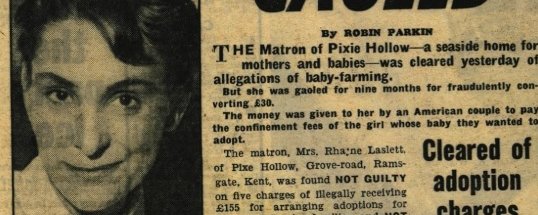

ALT Quote card: "In every shop there were one or two men who were friendly with the management. They were touts for the foremen. They would find men who wanted a job and would take them to the foreman. To get a job, you had to give a bribe, and the foreman would split it with the tout. Everyone was afraid that the touts would tell the foreman who had organized the union and then the foremen would give them the sack." (A Punjabi worker at Woolf's, as paraphrased by DeWitt John, Indian Workers' Associations in Britain, 1969, p.139)


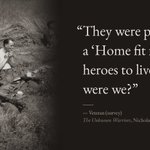
ALT Quote card: "They were promised a ‘Home fit for heroes to live in’ so were we?" (Veteran (survey), The Unknown Warriors)

ALT Quote card: "Crom… was a gloomy, savage god, and he hated weaklings. But he gave a man courage at birth, and the will and might to kill his enemies, which, in the Cimmerian’s mind, was all any god should be expected to do." (Robert E. Howard, Robert E Howard Collected Works)

ALT Quote card: "At one time there were plans to pull our old house down and build a slum. But they haven’t." (Johnny Speight, Johnny Speight It Stands to Reason)

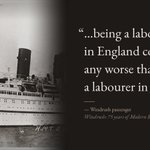
ALT Quote card: "…being a labourer in England couldn’t be any worse than being a labourer in Jamaica." (Windrush passenger, Windrush: 75 years of Modern Britain)

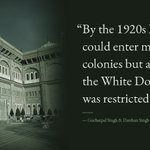
ALT Quote card: "By the 1920s Indians could enter most British colonies but access into the White Dominions was restricted." (Gurharpal Singh & Darshan Singh Tatla, Sikhs in Britain)


ALT Quote card: “He see a test come and take a newspaper and put down the money on a box—nobody there to watch the fellar and yet he put the money down. What sort of thing is that? Galahad wonder, they not afraid somebody thief the money?” — The Lonely Londoners (1956)

ALT Quote card: “For really I think that the poorest he that is in England hath a life to live, as the greatest he…” — The Making of the English Working Class (1963)

ALT Stat card: Sparkbrook, Birmingham council election 1963, votes cast with "House Britons not Blacks" on the walls: Labour candidate (won the seat) 3,610; Pakistani independent candidate 430; Mosleyite candidate (follower of the fascist Oswald Mosley) 68. Source: Rex & Moore, Race, Community and Conflict (1967), pp.202, 205.


ALT Quote card: “‘What will the neighbours think?’ Usually they think that two and two make six…” — The Uses of Literacy (1957)

ALT Quote card: “In the summer of 1922 the Colonial Office and the India Office agreed that Indians should be able to settle freely in Kenya and should enjoy equal political rights to the European settlers.” — The Guardsmen (2004)

