

Building for income, freedom, and a good cup of chai.
Brighton, UK
Joined August 2008
- Tweets586
- Following28
- Followers133
- Likes247




I built five apps that almost nobody used.
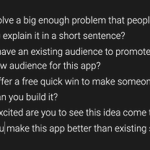
After a year away, I'm considering my sixth. To avoid making the same mistakes again, I'm scoring ideas against these criteria.
I don't want to over-analyse. Just to put in a bit more thought before diving in head first.

First feature built using Claude Code.
Build time ~30mins.
I had to prompt a few minor performance/code reuse fixes, but overall I'm loving interacting with this AI through the terminal.
Can guys 40+ stand out from the crowd?
Two choices:
1. Become a cliché product of the bad habits you picked up in your 20s or 30s, like everyone else.
2. Reject your past, recreate your identity, and be an example of what's possible.
Age is only a limit if you believe it so.
Set working hours. Fine-tuned diet. Zero-caffeine.
A strict daily routine eventually feels like a trap.
Blow a hole through it. Show it who's boss. Welcome in some chaos and a new era of creativity.
What product could you promote without shame?
100% aligned. Truly yours. Total confidence getting the sale.
Every developer has a product like this just waiting to come to life.
Deploying my new book landing page with SST + AWS + Next.js. This stack has the perfect ratio of ease of use to flexibility.
My last technical book launch was a major flop.
Here's how "Internet Essentials for Developers" fell short:
- It felt like reading a textbook.
- The benefit for devs wasn't compelling.
- The book came out of nowhere, with no build up.
Mistakes to avoid for my next launch.
Building a landing page for my new book (still unwritten). The goal is to offer juicy bonuses in exchange for pre-orders. Then I'll have extra-motivation to get the project finished.
I asked myself "Why am I putting off writing my book?"
- I'm a developer, not a writer.
- My experience isn't worth sharing.
- I don't know where to start.
Despite the excuses, I know one thing. If I can't make this book happen, I can't make any project happen.
So I carry on.
How to overcomplicate writing a book? I'm trying all the tactics. I wrote for 30 days straight and now I'm starting again. Replacing my boring "life-story" with actionable insights for devs.
Research is boring. Forcing yourself to look for information to support some argument. Where's the fun in that?
Following your interests feels way more natural. Exploring topics you would anyway, seeing what you find along the way, then creating something meaningful from it.

My ebook landing page conversion rate is 3%. Apparently that's good. But I just don't have the traffic. And I can't generate more. Still, 3 years after launch I think it's cool this still sells.

Modern developers rightly want a life that revolves around their interests. I'm obsessed with YouTube, building small apps, and freedom of al kinds. We're all idealists. Have a belief you can earn a living doing work you care about. Take action in that direction until it happens.
A "community" was the last thing I wanted to build. I was a recluse. I disliked being constantly connected. I wanted to be a solo developer in every way. Well sometimes you gotta do something you don't want to and show yourself that 95% of your beliefs are pure BS. Welcome.

I've created 50+ of these thumbnails. When I realised the style works, I got obsessed. I finally had my own look. Is it 100% original? No, but it works. Keep trying different styles. Eventually something will click and crafting thumbnails becomes easy.

You're not a natural coder. You don't have novel ideas. You don't have an eye for design. You struggle to sell a shovel in a gold mine. Me too. Just becoming average at all these skills is enough to make the kind of change you currently believe impossible.
It's crazy the aesthetics you can achieve with a table, laptop, and plants. Creating a good thumbnail doesn't mean going over the top. Sit with the idea long enough to work out how to create attention, curiosity, and relevance. Less is often more.

Packaging YouTube videos is fascinating and frustrating. It's a window into human mind. A small shift in focus of the title/thumbnail has a big impact on CTR. It's not always obvious what the right answer is, but at least we have tools to guess our way to something that works.
