

X線分光撮像衛星XRISMの公式アカウントです。XRISMは、2023年9月7日にJAXA種子島宇宙センターから打ち上げられました。日々の観測の様子や、チームメンバーによる研究成果、宇宙に関する豆知識などをお伝えします。
- Tweets929
- Following92
- Followers5.6K
- Likes1.4K

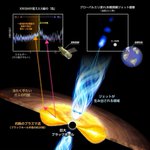


ALT Some supermassive black holes rapidly consume surrounding matter while simultaneously firing powerful streams of plasma into space at nearly the speed of light. This creates a physical puzzle. A research team has now found evidence that helps resolve this mystery. By combining observations from XRISM with international networks of radio and millimeter telescopes, the team identified the conditions that allow a rapidly feeding supermassive black hole to launch a powerful relativistic jet. The observations indicate that the cold, relatively flat accretion disk ends at about 20 times the black hole's radius. Beyond this point, it transitions into a hot flow of plasma reaching hundreds of millions of degrees. This hot environment can allow magnetic fields to accumulate around the black hole. These magnetic fields are thought to extract some of the rotational energy of the black hole and channel it into a powerful jet.

ALT 銀河の中心の巨大ブラックホール近傍から光速近くで噴き出すジェットは、銀河の形成や進化において重要な役割を果たします。しかし、大量の物質を呑み込むブラックホールがどのようにジェットを噴き出すのかは大きな謎でした。 東北大学の野田博文准教授、名古屋市立大学の秦和弘准教授らの研究グループは、巨大ブラックホール3C120(地球からおうし座の方向に約4億2000万光年離れている太陽の6千万倍の質量の天体)を対象に、最新鋭のX線分光撮像衛星XRISMと、世界最高峰の解像度を誇る国際電波望遠鏡ネットワークによる世界初の同時観測を実施しました。観測の結果、ブラックホールの手前(ブラックホール半径の約20倍の地点)で冷たい円盤が途切れ、ブラックホールの自転エネルギーを取り出す理論から求められる数億度の灼熱のプラズマ流に姿を変えることを突き止めました。そして、理論通り、その内側からジェットが噴き出す空間構造を解明しました。


ALT Today marks exactly three years since XRISM was launched on September 7, 2023 (JST). We would like to express our sincere gratitude to everyone who has supported and contributed to the mission over the past three years. XRISM was originally planned as a three-year mission. However, following a scientific review by the ISAS Space Science Committee and other assessments, the project has been approved for extension through March 2030. As long as the instruments remain healthy and XRISM continues to deliver significant scientific results, we hope to continue scientific observations for as long as possible beyond that date.

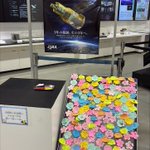
ALT Message board at the XRISM 3rd Anniversary special booth. The A1-sized board is covered with sticky notes featuring messages from visitors.


ALT Today marks exactly three years since XRISM was launched on September 7, 2023 (JST). We would like to express our sincere gratitude to everyone who has supported and contributed to the mission over the past three years. XRISM was originally planned as a three-year mission. However, following a scientific review by the ISAS Space Science Committee and other assessments, the project has been approved for extension through March 2030. As long as the instruments remain healthy and XRISM continues to deliver significant scientific results, we hope to continue scientific observations for as long as possible beyond that date.

ALT 本日、XRISMは2023年9月7日の打上げからちょうど3周年を迎えました。これまでの皆様からの多大なご支援とご協力に厚く御礼申し上げます。XRISMは当初計画では3年間のミッション期間を設定しておりましたが、宇宙理学委員会による科学レビュー等を経て、2030年3月までのプロジェクト延長が決定しました。もちろん、観測機器が健全で、継続的な科学成果創出が期待できる限り、それ以降もできるだけ長く科学観測を続けていきたいと考えております。 XRISMの主力検出器であるリゾルブ(Resolve)は、現在もゲートバルブ(真空保護膜)の開放に至っておりません。しかしながら、鉄の輝線や吸収線が検出される 6-9 keV のエネルギー帯で当初の予定を大きく上回る分光性能が得られ、これまで画期的な科学成果を数多く挙げてきました。今後3.5年間の延長運用期においては、戦略的な大型科学観測プログラムなどの新たな科学運用に挑戦するとともに、ゲートバルブの開放に向けて最大限の努力を続けます。 延長運用期の開始に伴い、プロジェクトも新体制へと移行します。これまで研究主宰者(プリンシパルインベスティゲータ)を務めた田代信(埼玉大学)はミッションサイエンティストに就任し、代わってこれまで副プロジェクトサイエンティストを務めた山口弘悦(ISAS/JAXA)が研究主宰者を引き継ぎます。また、新たな副プロジェクトサイエンティストとして野田博文氏(東北大学)を迎えます。衛星の科学運用については、これまで通り、若手を中心とした精鋭チーム(写真)で取り組んで参ります。新たなステージに入ったXRISMプロジェクトを、今後ともよろしくお願いいたします。 なお、打上げ後の定常運用期間においては、主に以下のメーカーの皆様にご支援をいただきました(順不同)。 宇宙技術開発株式会社:衛星運用支援全般 日本電気株式会社(NEC):衛星システム開発担当 住友重機械工業株式会社:Resolve 冷凍機システム開発担当 富士通株式会社:衛星管制・データ伝送システム整備担当 三菱重工業株式会社:Xtendシステム、Resolve PSP開発担当


ALT XRISM三周年交流棟企画の様子。手前にはXRISM三周年ポスターとお祝いボードが設置されており、お祝いボードには付箋とペンでメッセージを書いて貼り付けられるようになっている。壁際の4面の大きなモニターにXRISMに関する動画が流れている。その手前には1/5サイズのXRISM模型が設置され、その奥には光るXRISMバナーが二種、一回り小さなXRISMバナーが二種並んでいる。

ALT A view of the XRISM 3rd anniversary exhibit at the Communication Hall. In the foreground, a poster celebrating XRISM’s 3rd anniversary and a message board are displayed. Visitors can write messages on sticky notes with pens and attach them to the board. Four large monitors along the wall are playing videos about XRISM. In front of the monitors is a 1/5-scale model of XRISM, with two illuminated XRISM banners and two smaller XRISM banners displayed behind it.

ALT XRISM三周年交流棟企画の様子。手前にはXRISM三周年ポスターとお祝いボードが設置されており、お祝いボードには付箋とペンでメッセージを書いて貼り付けられるようになっている。壁際の4面の大きなモニターにXRISMに関する動画が流れている。その手前には1/5サイズのXRISM模型が設置され、その奥には光るXRISMバナーが二種、一回り小さなXRISMバナーが二種並んでいる。


ALT XRISMに搭載された高分解能X線分光器Resolveは、検出器の温度変化を0.001K単位で測定し、極めて高い波長分解能を実現する装置です。これにより、宇宙のX線源をこれまでにない精度で調べることができます。この検出器は液体ヘリウムなど多段階の冷却システムによって0.05Kという超低温に保たれています。 我々の研究で調べたのは、銀河中心の超巨大ブラックホールから吹き出す「超高速アウトフロー(UFO)」と呼ばれる高速風です。ブラックホール周囲の降着円盤表面から光速の数十分の一という高速でガスが流出していますが、その加速機構は長年「輻射圧(光)」か「磁場」のどちらかかで議論されてきました。高光度の天体では光圧による加速が想定され、光度が低い天体で同様の高速風がみられる場合は磁場の影響が推測されていましたが、観測的に両者の区別は難しい状況でした。 しかし、XRISMの高分解能スペクトル観測により、これらのメカニズムを明確に区別できるようになりました。例えば、非常に光度の高い近傍クェーサーPDS 456では、風の物理特性や化学組成の詳細な解析が進み、加速の起源に関する新たな知見が得られています。 この研究は、宇宙におけるブラックホール風の発生と進化の理解を深め、銀河形成や宇宙の物質循環の解明に貢献する重要な一歩です。XRISMの成果は、天文学分野での画期的進展をもたらすと期待されています。